Ankle protection is not one product or one fixed level of support. The right choice depends on the activity, injury history, footwear, and specific hazards. A trail runner crossing loose gravel needs different support from a warehouse worker wearing safety boots. That distinction matters.
The National Athletic Trainers’ Association’s position statement on ankle sprains recommends external support, such as braces or tape, for athletes at increased risk of repeat sprains. It also emphasizes balance and strength training. This is a useful reminder: equipment can help, but it cannot replace preparation or correct fit. OSHA’s guidance on personal protective equipment likewise centers selection on the hazards present in the workplace. A sturdy boot may help protect against impacts, while a lace-up brace can limit unwanted ankle movement during sport. Neither is automatically right for every person.
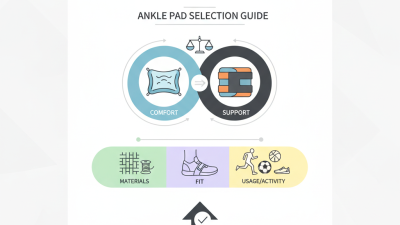
This guide compares common types of ankle protection, including supportive footwear, braces, sleeves, and taping. It will explain where each option may be useful, what it cannot do, and which details deserve a closer look. Think about a boot collar rubbing the ankle, or a brace shifting during a quick turn. Small fit problems can change comfort and use. Not every ankle needs a brace. When pain, swelling, or repeated instability is present, a qualified healthcare professional can help assess the cause and suitable support.
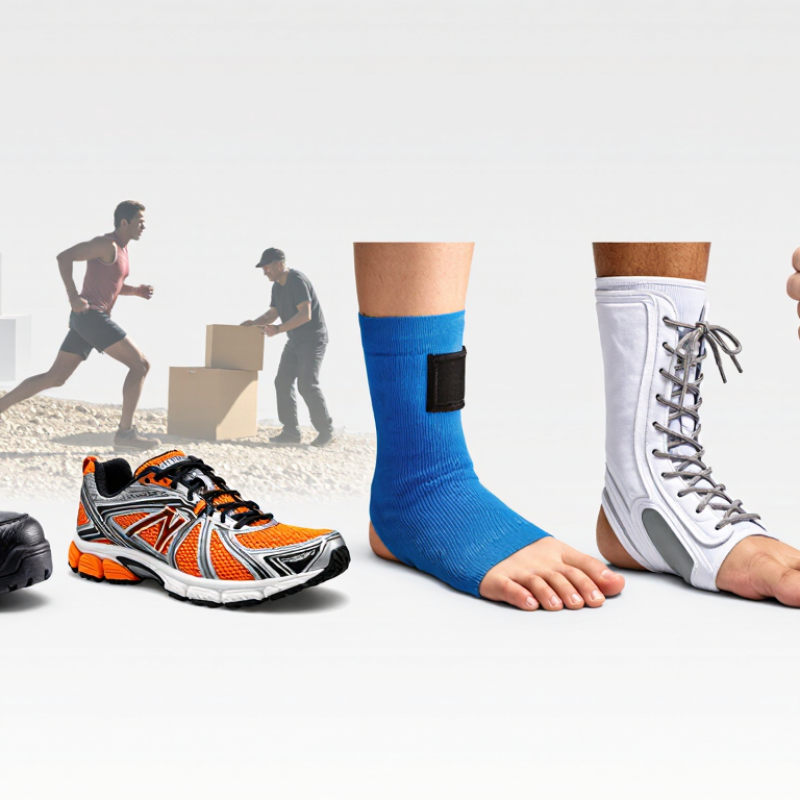
Ankle protection is equipment designed to limit unwanted rolling, soften impacts, or support movement around the joint. It does not make the ankle injury-proof. Instead, it can reduce exposure to certain forces while allowing enough movement for walking or sport. The useful level of support depends on the activity, fit, and injury history.
Soft sleeves provide compression and warmth, but usually do little to stop a sudden twist. Strapped braces use bands around the ankle to resist rolling. Rigid or semi-rigid supports restrict movement more firmly, while padding in footwear mainly softens knocks from contact. Different jobs. It is tempting to assume that more stiffness means more safety, but that is not always true; too much restriction may feel awkward or change how someone moves.
A support should feel secure, not numb or painfully tight. Try it with your usual socks and shoes, then check the skin around the heel and ankle bones for rubbing. A brace that shifts can irritate skin and provide uneven support. Fit is not everything. Pain, swelling, or repeated ankle giving-way warrants assessment by a qualified clinician, since equipment cannot identify the cause.
Ankle protection ranges from light compression to rigid immobilization. This qualitative scale compares the typical level of mechanical support provided by each type; actual support varies by design and fit.
Scale: 1 = light support; 4 = high restriction or immobilization. This is a general comparison, not a clinical effectiveness rating. Follow a healthcare professional’s advice when choosing protection for an injury.
Ankle protection includes lace-up braces, semi-rigid stirrup braces, athletic tape, compression sleeves, and supportive footwear. Lace-up braces offer adjustable support and can limit excessive ankle rolling while allowing movement. Stirrup braces use firmer side supports, which may feel more restrictive in quick side-to-side play. Tape can be fitted closely, but it may loosen with sweat and repeated movement. Compression sleeves add warmth and a light sense of support; they should not be mistaken for rigid protection. Fit matters.
Evidence favors choosing support based on activity and injury history, not appearance alone. In a study of 1,460 high-school basketball players, McGuine and colleagues reported 68% fewer ankle injuries among players wearing lace-up braces than among those without braces. The National Athletic Trainers’ Association position statement also supports ankle bracing or taping for injury prevention in athletes at elevated risk. These findings do not mean a brace prevents every sprain. A shoe’s high collar alone is not a guarantee, either. For recurrent sprains, pain, or swelling, a clinician can help assess fit and function. I’d be cautious about relying on a thin sleeve during sharp cuts; the difference is easy to overlook.
Ankle protection depends on fit, stiffness, and how a design limits unwanted movement—not simply on thickness. Stretch-knit or neoprene sleeves provide light compression and warmth, but usually offer less mechanical restraint. Lace-up braces use fabric panels and adjustable straps to limit ankle rolling while allowing movement. Semi-rigid designs add molded shells around the sides of the ankle; these can offer firmer support, though they may feel bulky inside a close-fitting shoe. Fit matters. Not thickness alone. A brace that slips, pinches, or changes your gait may be a poor choice, even if it looks substantial.
A randomized study of 1,460 high-school basketball players found 0.47 ankle injuries per 1,000 athlete-exposures among lace-up brace users, compared with 1.41 among players without braces—a 68% lower rate. The study, published in the American Journal of Sports Medicine by McGuine and colleagues in 2011, supports lace-up braces in that setting. It did not rank materials or prove one design is best for every activity.
That distinction matters. Bulk can look reassuring, but the assumption deserves a second look: support also depends on correct sizing, shoe fit, and comfort during movement. Check for pressure points after a few minutes of walking, not just while standing still.
The best ankle protection depends on what your activity asks your feet to do. For everyday walking, supportive shoes with a stable heel counter may be enough. They should feel secure without rubbing or pinching. Fit matters most. A brace that feels restrictive can change your stride, so test it indoors before a long outing.
For basketball, volleyball, or other sports with quick turns and jumps, a lace-up or semi-rigid brace can add support. Choose one that fits inside your shoe and allows comfortable movement. Ankle taping is another option, though it may loosen during play and needs proper application. Neither option removes the risk of injury. Practice wearing new support during a short session first.
On uneven trails, footwear with a secure fit and good grip can help reduce slips; a brace may be useful if you need extra stability. Check that it does not create pressure points under your socks. If an ankle is recently injured, repeatedly gives way, or remains painful, ask a qualified health professional about suitable support. I would not choose the stiffest brace by default. More support is not always more comfortable, or right for every activity.
Ankle sleeves provide light compression and warmth, while lace-up braces offer adjustable support. Stirrup-style braces limit side-to-side movement and may suit some recovery plans. The right choice depends on the activity, symptoms, and advice from a qualified clinician. More support is not always better.
Fit the support over dry skin and follow its sizing guide. It should feel secure, not painfully tight. Check that your toes stay warm and normally colored, with no tingling or numbness. A snug fit matters. If discomfort persists, remove it and reassess the fit. Braces can shift during a walk, so check the straps again after moving around. Do not use a brace to push through worsening pain or swelling.
Keep the support clean and fully dry before wearing it again. Follow the care label; some materials can stretch or lose shape in hot water or a dryer. Inspect seams, straps, and fasteners for wear. Replace a support that no longer stays in place. Fit can be fiddly. That part is easy to underestimate. Stop using it and seek medical advice if it causes skin damage, numbness, or increasing pain.
| Type of Support | Typical Support | Fit and Best Use | Safe Use | Care |
|---|---|---|---|---|
| Compression sleeve | Light compression; little restriction of ankle movement. | Useful when a close-fitting layer and light support are wanted during everyday activity. Choose a size that lies smoothly without bunching or excessive pressure. | Remove it if you notice numbness, tingling, unusual pain, or changes in skin color or temperature. It is not a substitute for assessment of a significant injury. | Follow the care label. Wash regularly, allow it to dry completely, and replace it if it loses elasticity or develops damage. |
| Lace-up brace | Adjustable, moderate support that can limit excessive side-to-side movement. | Often used for activity after an ankle sprain or to help reduce the risk of repeat sprains. Lace it snugly and evenly; the heel should sit securely in the brace. | Check that the brace does not create pressure points or interfere with circulation. Make sure it fits comfortably inside the intended footwear. | Loosen laces before cleaning. Follow the manufacturer’s washing instructions and air-dry fully before use. |
| Semi-rigid stirrup brace | Firm side supports help limit inward and outward ankle movement while allowing some up-and-down motion. | May be suitable when greater side-to-side control is needed, including during recovery or sport, if the fit is appropriate. Position the supports evenly on both sides of the ankle. | Do not overtighten straps. Check for rubbing, swelling, or discomfort, and seek professional advice if pain worsens or the brace feels unstable. | Remove and clean according to the care instructions. Inspect the straps, fasteners, and side supports for wear or damage. |
| Rigid or walking brace | More restrictive support; some designs are intended to limit ankle movement substantially. | Used for specific injuries or recovery needs when recommended by a healthcare professional. Follow instructions for positioning and footwear. | Use only as directed. A new injury with severe pain, marked swelling, deformity, inability to bear weight, or worsening symptoms needs prompt medical assessment. | Keep the brace clean and dry, and check its fit and components regularly. Follow professional guidance before changing how or when it is worn. |
| Athletic taping | Can provide temporary movement restriction when applied correctly; support may change as tape loosens. | Best applied by someone trained in taping technique. Skin should be clean and dry, and the tape should not pull painfully or restrict normal circulation. | Remove the tape if there is itching, burning, numbness, tingling, or skin discoloration. Avoid taping over irritated or broken skin. | Remove gently after activity and check the skin. Do not reuse tape; follow the tape product’s directions. |
© 2023 Bird & Cronin, LLC. All Rights Reserved.

In observance of the 4th of July holiday, our offices will be closed on July 3rd & 4th.