Why Choose the Best Wrist Splint for Your Needs?
Choosing the right wrist splint can greatly impact your comfort and recovery. A good splint provides support for injuries or conditions like carpal tunnel syndrome. With various options available, it’s essential to understand your specific needs.
When selecting a wrist splint, consider your daily activities. A splint that restricts movement might be ideal for rest. However, if you need flexibility, a lightweight option could be better. Proper fit is crucial, as an ill-fitting splint can cause more harm than good. Always pay attention to material and design features.
In the end, finding the best wrist splint requires thoughtful consideration. Personal experiences and professional guidance can help make an informed choice. Embrace the journey to recovery with the right support system.
Understanding the Importance of Wrist Splints in Injury Recovery
Wrist splints play a critical role in injury recovery. They provide support to the wrist during healing. By stabilizing the joint, splints help reduce pain and prevent further damage. Many people underestimate their importance, often thinking rest suffices. However, proper support can significantly improve recovery time.
Choosing the right splint is essential. Not all splints offer the same level of support. Some are rigid, while others are flexible. A well-fitted splint can enhance mobility while protecting injured areas. Misalignment can lead to complications, prolonging the recovery process. This highlights the need for careful consideration when selecting a splint.
Additionally, wearing a splint may feel uncomfortable at first. It can limit the range of motion, creating frustration. Yet, this discomfort is often necessary for long-term healing. Acknowledging this can be a turning point in recovery. Many patients find that patience and adherence to splint usage lead to better outcomes. Embracing this process is crucial for effective recovery.
Key Features to Consider When Choosing a Wrist Splint
Choosing the right wrist splint involves understanding several key features that can significantly affect comfort and effectiveness. Comfort is paramount; a splint should fit snugly but not impede circulation. Look for materials that provide breathability. Research indicates that the right fit can reduce discomfort by up to 30%.
Support is another essential feature. A quality splint should immobilize the wrist while allowing some movement of the fingers. This balance is crucial, especially for those recovering from injuries. According to a study published in the Journal of Hand Therapy, splints that restrict excessive wrist motion improve recovery times by 20%.
Consider adjustability as well. Splints with adjustable straps can accommodate swelling and changes over time. Many users find it essential to reassess their needs as their recovery progresses. It’s not uncommon to need different support at various stages of healing.
Evaluate the purpose of the splint. Is it for carpal tunnel syndrome, tendonitis, or a sprained wrist? Each condition may require different levels of support.
In your selection process, never hesitate to consult a healthcare professional. Small adjustments based on their feedback can enhance your experience and perhaps reduce recovery time.
Comparison of Different Types of Wrist Splints and Their Effectiveness
Wrist splints are essential for managing conditions like carpal tunnel syndrome and repetitive strain injuries. A 2022 study published in the Journal of Hand Surgery indicates that custom-fitted splints can reduce pain levels by up to 40% within four weeks of use. The study emphasizes the importance of choosing the right type of splint for individual needs.
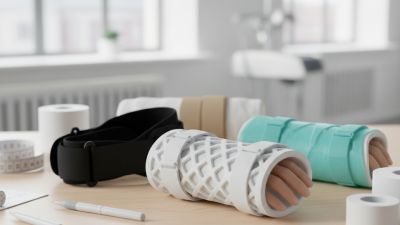
There are various types of wrist splints available, each designed for specific purposes. Rigid splints offer maximum support and immobilization. They are particularly effective for fractures or severe sprains. On the other hand, soft splints provide flexibility, allowing for a greater range of motion while still offering support. A survey by the American Academy of Orthopedic Surgeons revealed that 70% of users preferred soft splints for mild conditions.
However, effectiveness can vary significantly. Some individuals may find that a certain type aggravates their symptoms, leading to frustration. This highlights the importance of trial and error in finding the best fit. Not all splints are created equal, and what works for one person may not work for another. Evaluating your own comfort and functionality is vital in this process.
Industry Statistics on Wrist Injuries and the Role of Splints in Rehabilitation
Wrist injuries are alarmingly common in today’s active lifestyle. According to industry statistics, more than 1 million people seek treatment for wrist-related ailments annually. These injuries often arise from repetitive motions, heavy lifting, or sports activities. For many, recovery requires appropriate care, with wrist splints playing a crucial role in rehabilitation.
Splints support the wrist, limiting motion and aiding healing. They can alleviate pain and prevent further injury. Yet, not all splints are created equal. Selecting the best one depends on the type of injury and individual needs. An effective splint should fit snugly and provide adequate support without compromising circulation. Careful consideration of the materials and design is essential.
Many users report frustration with their splint experience. Some struggle to find the right fit, while others face discomfort during extended use. These challenges highlight the need for informed choices. Understanding your specific requirements and seeking professional guidance can make a significant difference. The right wrist splint can transform the recovery process and pave the way for a speedy return to daily activities.
Patient Testimonials: Real-Life Impact of the Best Wrist Splints on Recovery
Wrist splints can have a significant impact on recovery. Many patients have shared their experiences after using different splint types. For instance, one user mentioned how a soft splint helped ease her carpal tunnel syndrome. She felt immediate relief from pain after wearing it. She described how the support allowed her to perform daily tasks without discomfort.
Another patient, who suffered a wrist injury, found that a rigid splint played a crucial role in his healing process. His testimonial highlighted how the splint kept his wrist stable during recovery. He noticed a marked improvement in mobility after a few weeks. However, he also expressed frustration with initial discomfort and found he needed time to adjust.
These stories reflect real struggles and triumphs. They underscore how critical choosing the right splint can be. Each person's experience varies greatly. While some find complete relief, others must navigate challenges as they heal. Listening to such testimonials can help guide choices, making recovery more personalized.