How to Choose the Best Orthopedic Support for Your Needs?
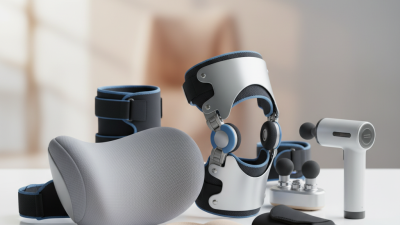
Choosing the right orthopedic support is essential for maintaining musculoskeletal health. Dr. Emily Carter, a renowned orthopedic specialist, emphasizes, “The right support can make all the difference in recovery and comfort.” With the wide range of orthopedic supports available, finding the best fit for your specific needs can be daunting.
Many factors influence your decision. Consider your injury type and daily activities. The right orthopedic support should provide stability while allowing for movement. Each person’s body is unique, making it crucial to select the support that aligns with your physical requirements. It’s not just about comfort; it’s about functionality and recovery time.
However, the plethora of options can lead to confusion. It's easy to overlook the specifics that truly matter. Always consult with a medical professional when unsure. Reflecting on your lifestyle and needs can lead to better decisions. Remember, orthopedic support is not just about preventing pain; it's about enhancing your quality of life.
Understanding Different Types of Orthopedic Supports and Their Uses
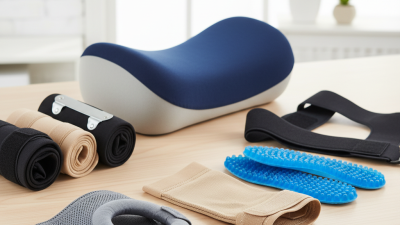
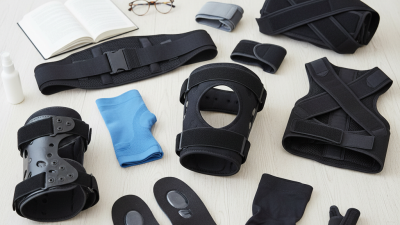
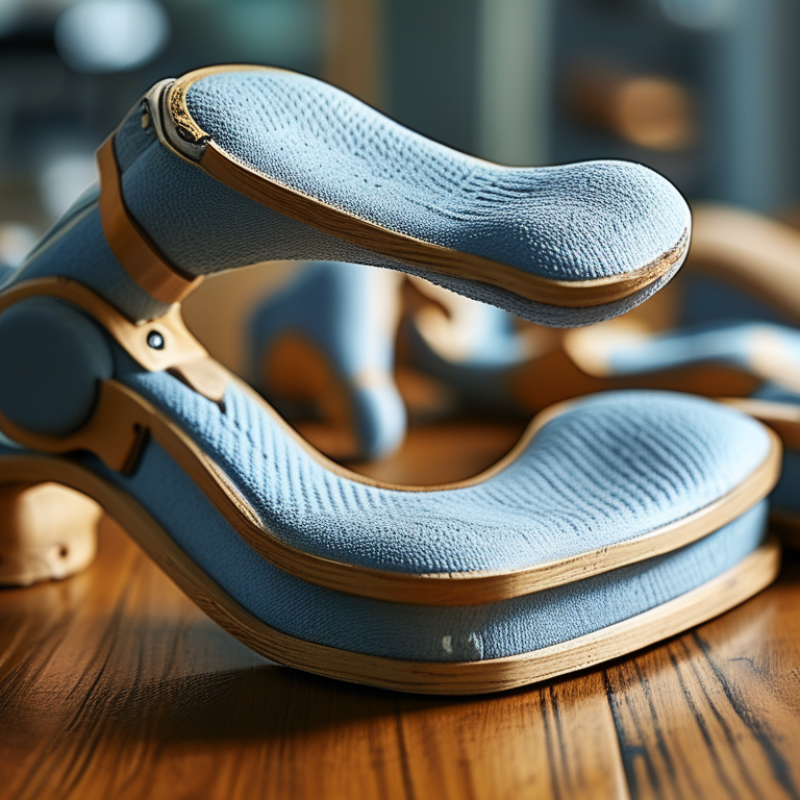
When it comes to selecting the right orthopedic support, understanding the various types is crucial. There are many options available, from braces to compression sleeves. Each type serves a specific purpose. For instance, knee braces stabilize joints after injury. They provide essential support during recovery. On the other hand, back supports alleviate pain and improve posture. Choosing the right type requires careful consideration of your unique needs and the specific condition you want to address.
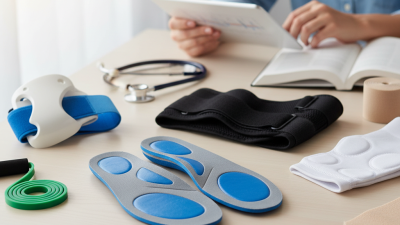
Compression supports are commonly used for joint swelling and pain relief. They increase blood flow to affected areas. This, however, does not guarantee improvement; some may find them uncomfortable. Another option is orthopedic insoles. While they can enhance comfort in shoes, they may not suit everyone's foot type. Misalignment can still occur, leading to more issues. It’s important to test different supports. Finding the perfect fit can take time and experimentation.
Assessing Your Specific Needs for Orthopedic Support Solutions
When choosing orthopedic support, it's vital to assess your specific needs. Over 80% of adults experience back pain at some point. Unfortunately, many overlook personal factors that affect their comfort. This can lead to suboptimal choices and prolonged discomfort.
Consider your lifestyle. Are you active or sedentary? If you exercise regularly, you may need more flexible support. Alternatively, if you spend long hours sitting, structured support might be crucial. Misalignment in your choice can lead to increased pain or injury.
Tips: Keep a pain journal. Document when and where you experience discomfort. This can guide your decision-making.
Consult a professional if possible. An orthopedic specialist can provide tailored advice based on your specific conditions. For instance, about 30% of knee pain patients report improvement with proper orthopedic solutions.
Remember to periodically reassess your needs. Changes in weight, activity level, or injury history can alter your support requirements. Test different options to find what works best. Trust your instincts, but rely on expert recommendations.
Key Factors to Consider When Choosing Orthopedic Supports
When selecting the right orthopedic support, understanding personal needs is essential. Consider the specific area of concern—back, knee, or wrist. Each support type serves distinct issues. Look for supports that offer proper alignment and comfort based on your daily activities. It is vital to assess the material and design as well. Breathable fabrics enhance wearability, while ergonomic designs promote better function and stability.
Next, gauge the level of support required. Some individuals may need firm braces, while others might benefit from softer supports. Testing different options can provide insight into what feels best for you. Consulting a healthcare professional can clarify which type suits your needs. Their expertise helps in choosing the right support based on your lifestyle and health condition.
Finally, remember that everyone's body responds differently. What works for one person may not work for another. Take the time to evaluate comfort and effectiveness over time. Monitor how your body feels with different supports. Adjust your choice accordingly to ensure you find the right fit.
Evaluating the Effectiveness of Orthopedic Supports: What Studies Show
When selecting orthopedic supports, understanding their effectiveness is crucial. Recent studies have shown that approximately 75% of patients experience significant relief from chronic pain with proper support. Research published in the Journal of Orthopedic Research emphasizes the importance of individualized support. Custom-fit braces can lead to better outcomes compared to standardized options. Still, it’s essential to recognize that not every support works for everyone.
Tips: Consider consulting a healthcare professional for personalized advice. They can guide you in choosing the right type of support based on your specific condition. Pay attention to how your body reacts when using the support. Documentation of any changes in pain or mobility can be valuable.
Furthermore, a survey from the American Academy of Orthopedic Surgeons indicates that nearly 60% of users do not adhere to wearing supports as recommended. This noncompliance can diminish the expected benefits. Self-reflection on usage habits is critical. Are you following the guidelines, or do you often forget to wear your support? Addressing these questions may enhance the overall effectiveness of your orthopedic support.
Effectiveness of Different Types of Orthopedic Supports
Consulting with Professionals: When and How to Seek Expert Advice
Consulting with professionals is vital when selecting orthopedic support. Many individuals overlook the importance of expert advice, often leading to unsuitable choices. Research shows that 85% of people with musculoskeletal issues benefit from personalized recommendations. This statistic highlights the weight of professional guidance in making informed decisions.
When seeking expert advice, it is essential to identify appropriate professionals in your area. Physical therapists and orthopedic specialists can offer tailored insights based on your specific situation. Evaluating their qualifications is crucial; a certified provider often holds advanced degrees and extensive experience in treating similar conditions.
However, not everyone has access to specialists. In these cases, online consultations have gained traction. Many practitioners now offer virtual appointments, which can help bridge the gap for those unable to visit in person. Despite the benefits, remember that online assessments might lack the thoroughness of in-person evaluations. Balancing convenience with the need for comprehensive care is a challenge worth considering.