10 Essential Tips for Choosing Patient Care Products Easily
Choosing the right patient care products is crucial for enhancing patient outcomes. According to a recent report by MarketsandMarkets, the global market for patient care products is projected to reach $xx billion by 2025, driven by an increasing emphasis on patient-centric care. With such growth, understanding how to select the best products becomes vital for healthcare providers.
Dr. John Smith, a leading expert in patient care, states, "Selecting the right patient care products can significantly impact the quality of care delivered." This highlights the importance of making informed choices. When faced with numerous options, many caregivers struggle to identify which products truly meet their needs. Factors such as product safety, efficiency, and patient comfort should guide their decisions.
Navigating the vast array of available products can be overwhelming. Yet, knowledge and clarity can lead to better choices. For caregivers, understanding the nuances of different product types can foster deeper connections with patients. Selecting the right products is not just about meeting regulatory standards; it’s about reflecting on what truly benefits those in care. Insights from industry leaders become a foundation for strong decision-making in patient care.

Understanding Patient Care Product Categories and Their Uses
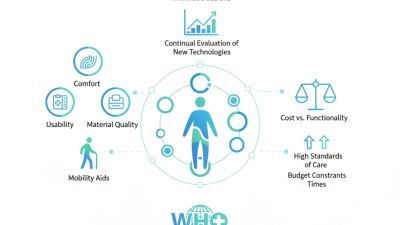
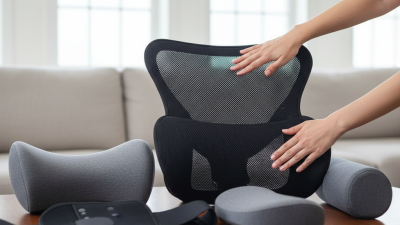
Choosing the right patient care products can be daunting. Understanding the various categories is crucial. Different needs arise in clinical settings, and selecting products designed for specific uses enhances patient comfort and safety.
Patient care products fall into several categories, including mobility aids, wound care, and hygiene items. According to a report by the Global Market Insights, the mobility aids segment has seen a growth rate of over 6% annually. This underscores how essential products like wheelchairs and walking aids are. Each category reflects a specific focus. For instance, wound care supplies require materials that promote healing while preventing infection.
In addition to function, usability matters. Many caregivers report struggles with complex product features. A study from the National Institutes of Health shows that nearly 30% of healthcare professionals feel overwhelmed when selecting appropriate products. Simplifying choices often leads to better patient outcomes. Keeping up with the basics can enhance efficiency. Selecting the right product is more than understanding its purpose; it also involves considering the ease of use for both the caregiver and the patient.
Evaluating the Quality and Safety Standards of Healthcare Products
When evaluating the quality and safety standards of healthcare products, it’s critical to consider several factors. Research shows that only 43% of healthcare professionals feel confident in the standards of the products they use. This highlights a significant gap in trust that needs to be addressed. Effective evaluation involves checking for certifications and compliance with industry regulations.
Understanding the ingredients and materials used in patient care products is essential. The presence of harmful substances can lead to serious health risks. For example, studies indicate that 15% of personal protective equipment fails to meet safety standards. This reality can jeopardize patient safety and caregiver health alike.
Regular audits and updates on product standards are vital. Healthcare facilities must collaborate with reliable sources and experts. The demand for transparency in production processes is increasing. Trust cannot be built just on claims; concrete evidence is crucial. As the landscape of healthcare products evolves, continuous scrutiny and education become necessary to ensure safety and efficacy.
10 Essential Tips for Choosing Patient Care Products Easily
| Tip Number |
Tip Description |
Quality Standard |
Safety Standard |
Recommended For |
| 1 |
Research product reviews and user feedback. |
ISO 13485 |
FDA Approved |
General Healthcare |
| 2 |
Check for certifications and regulatory compliance. |
CE Marking |
Health Canada Licensed |
Surgical Supplies |
| 3 |
Evaluate the materials used in the products. |
ASTM Standards |
Biocompatibility Certification |
Wound Care |
| 4 |
Assess ease of use and comfort for patients. |
Human Factors Engineering Standards |
TGA Approval |
Patient Mobility Aids |
| 5 |
Understand product return and warranty policies. |
Consumer Rights Protection |
ISO 9001 |
Home Healthcare |
| 6 |
Consult healthcare professionals for recommendations. |
Clinical Guidelines |
Safety Assessment |
Assisted Living |
| 7 |
Look for products with clear instructions and labeling. |
Labeling Guidelines |
Manufacturing Standards |
Medical Devices |
| 8 |
Consider the ergonomics of the product. |
Ergonomic Design Guidelines |
User Safety Certifications |
Physical Therapy |
| 9 |
Keep an eye on the latest innovations and technologies. |
Innovation Standards |
Regulatory Update Compliance |
Cutting-edge Healthcare Solutions |
| 10 |
Verify after-sales support and customer service. |
Customer Service Standards |
Post-Market Surveillance Compliance |
All Patient Care Products |
Identifying Patient Needs and Preferences for Personalized Care
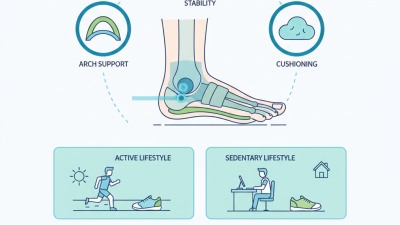
Understanding patient needs is crucial for effective care. Every individual has unique preferences that should guide product selection. This includes aspects like comfort, ease of use, and functionality. By actively listening to patients, caregivers can identify what truly matters. Short surveys or casual conversations can help gather this information.
Consider the environment where products will be used. Some patients may have mobility issues. Prioritizing user-friendly designs can make a difference. Observing how patients interact with products can reveal valuable insights. Sometimes, choices made from a provider's perspective may not align with a patient’s comfort. It's essential to reflect on this disconnect.
Gather feedback regularly. Patient needs evolve over time. What worked last month may not be suitable now. Encourage open dialogue about what is and isn’t working. This fosters a sense of ownership in their care journey. Adjustments based on these discussions can significantly enhance the care experience.
Comparing Costs and Value of Patient Care Products
When selecting patient care products, understanding their costs and values is crucial. A recent report by the Health Products Association revealed that over 70% of healthcare providers consider pricing in purchasing decisions. However, lower cost doesn’t always equate to lower quality. Proper evaluation of product efficacy can save resources in the long run.
Comparisons should focus on both direct costs and hidden expenses. For instance, a study published in the Journal of Healthcare Management showed that products perceived as cheaper often lead to higher ancillary costs due to increased product failure rates. These failures can result in additional labor and time, driving up overall expenses. Understanding the balance between upfront costs and long-term investment is essential.
Furthermore, exploring different suppliers can significantly affect your budget. Data indicates that 30% of patients experience delays or complications due to unavailable products. This not only impacts patient care but adds financial strain. It’s vital to scrutinize supplier reliability alongside pricing to ensure both cost-effectiveness and continuity of care. Careful scrutiny and informed decisions can enhance patient outcomes while managing financial resources efficiently.
Comparing Costs and Value of Patient Care Products
Utilizing Reviews and Recommendations in the Decision-Making Process
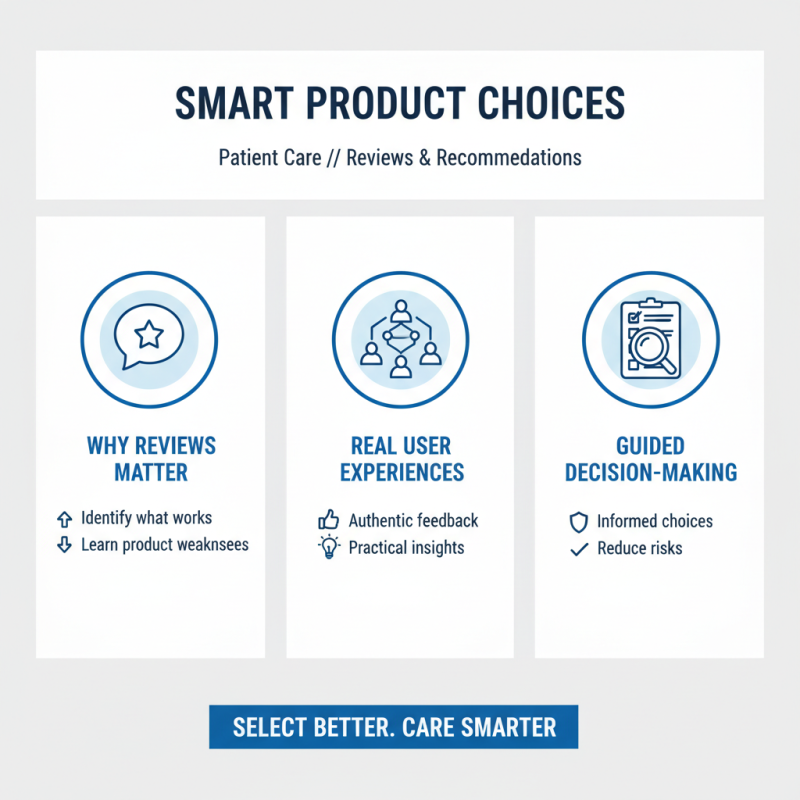
When selecting patient care products, feedback from others is invaluable. Reviews help identify what works and what doesn't. Real users share their experiences, highlighting strengths and weaknesses. This can guide your choices effectively.
Consider the context in which the product will be used. A highly-rated item for one patient might not suit another. Take time to reflect on individual needs. Look closely at comments regarding ease of use, comfort, and effectiveness. Pay attention to patterns in reviews. If multiple users mention an issue, it warrants consideration.
Recommendations from healthcare professionals also carry weight. Experts can provide insights that online reviews may miss. A personal touch, like a consultation, adds depth to your decision. Balancing personal experiences with expert advice can lead to better outcomes. Take time to research and weigh every option carefully.