Who Are the Top Orthopedic Support Manufacturers in China?

Choosing an orthopedic support manufacturer in China calls for more than comparing prices or product photographs. Buyers need to assess materials, sizing, testing, production consistency, and the evidence behind each product claim. Small details matter: a rough seam, a stiff edge, or unclear sizing guidance can affect comfort and fit.

The global need is substantial. The World Health Organization’s 2022 “Musculoskeletal conditions” fact sheet estimates that about 1.71 billion people live with musculoskeletal conditions worldwide. This figure describes a broad health burden, not the market size for braces or supports. Still, it helps explain why dependable, well-designed products matter to patients, clinicians, and distributors. The WHO figure should not be mistaken for a forecast of sales.

This guide examines leading Chinese manufacturers through practical criteria, including product range, manufacturing capabilities, quality documentation, customization, and communication. It also considers how suppliers describe materials and intended use, while distinguishing verifiable details from marketing language. A factory tour, sample inspection, or independent audit can reveal issues that a polished catalogue may not show. No single ranking fits every buyer. Requirements differ by product type, destination market, and purchasing volume, so readers should verify current certificates and specifications directly with each supplier. The comparisons ahead offer a starting point, not a substitute for due diligence.
Who Are the Top Orthopedic Support Manufacturers in China?

Defining Orthopedic Supports and Their Main Product Categories

Orthopedic supports are wearable devices designed to stabilize, protect, or guide a joint, limb, or injured body area. They may reduce unwanted movement, improve alignment, or provide controlled compression. Unlike ordinary clothing, they should match anatomy, movement needs, and medical guidance.

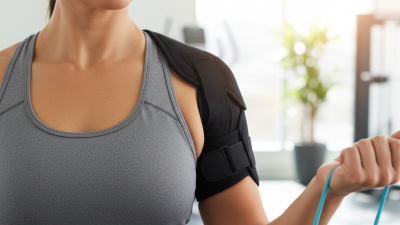
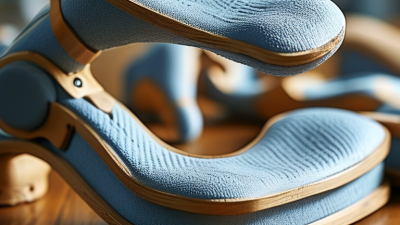
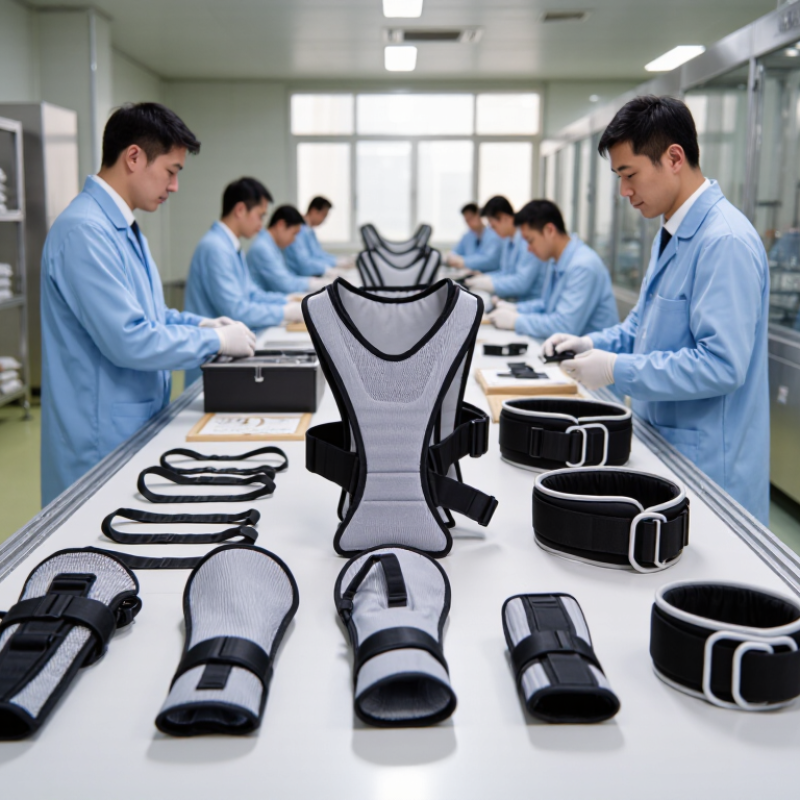
Chinese manufacturers commonly produce several main categories. Joint braces support the knee, ankle, wrist, elbow, and shoulder during recovery or activity. Immobilizers restrict movement after injury, often using rigid panels, straps, or molded shells. Compression supports use elastic fabrics to provide gentle pressure and may help manage swelling. Spinal supports, including lumbar belts, are designed to limit strain and encourage safer posture. Foot orthoses and insoles can redistribute pressure beneath the heel or arch.

Material choice matters. Neoprene feels flexible and warm, while breathable knitted fabrics may suit longer daily wear. Rigid plastic offers stronger control but can feel restrictive. In practical product evaluations, fit is often more important than appearance. A support that slips during walking is not performing well. Poor sizing can also create pressure points around the kneecap or ankle.

Reliable manufacturers should document material safety, sizing accuracy, load testing, and production traceability. Clear instructions are essential. However, no support fits every patient or activity. A brace may feel secure yet limit natural movement more than expected. Testing should include comfort, durability, skin contact, and real movement, not only laboratory measurements.
How to Evaluate Orthopedic Support Manufacturers in China

Choosing orthopedic support manufacturers in China requires more than comparing catalog prices. Evaluate how each factory controls materials, sizing, stitching, and final inspection. Ask for a documented quality system, production records, and current test reports. Check whether reports match the exact product, not merely a similar sample. Request samples in several sizes. Small details matter. Look closely at edge finishing, elastic recovery, odor, fastening strength, and skin contact surfaces.

A reliable manufacturer should explain material traceability from incoming rolls to packed units. Ask how workers handle batch changes and rejected products. Clear answers usually reflect real process ownership. Vague promises deserve caution. Factory capability also includes orthopedic knowledge. The team should understand pressure distribution, anatomical fit, movement limits, and user comfort. Review drawings with a qualified technical contact, especially for braces used after injury or surgery. Do not accept “universal fit” without measurement data.

Commercial checks are equally important. Confirm minimum order quantities, sample lead times, production capacity, packaging controls, and complaint response procedures. A factory visit, live video audit, or independent inspection can expose gaps hidden by polished presentations. Still, no audit is perfect. Keep written records and repeat testing after design changes. Communication quality matters too; delayed answers may become delayed corrective action. A polished showroom is not proof of stable production.

Leading Orthopedic Support Manufacturers in China

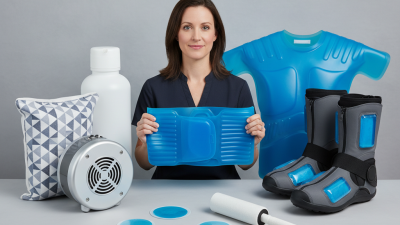
China’s leading orthopedic support manufacturers combine medical knowledge with disciplined production. Their portfolios often include knee braces, wrist splints, ankle supports, spinal belts, and rehabilitation accessories. Grand View Research valued the global orthopedic devices market at approximately USD 47 billion in 2023, with steady growth expected through 2030. This wider trend supports China’s expanding manufacturing role, but market estimates vary by product definition.

Strong manufacturers usually operate under ISO 13485 quality systems and maintain relevant NMPA registration for products sold in China. They should also provide material specifications, test reports, batch traceability, and clear sizing data. In practical factory assessments, buyers should inspect foam density, stitching strength, hinge movement, and skin-contact materials. Small details matter. A loose seam can reduce patient confidence quickly.

Industry reports from Fortune Business Insights and MarketsandMarkets also identify aging populations, sports injuries, and post-surgical recovery as major demand drivers. Chinese suppliers increasingly use breathable fabrics, adjustable compression zones, and lightweight thermoplastic components. However, not every catalog claim deserves immediate trust. Reported production capacity may not equal verified output, and “custom support” can mean simple size adjustments. Buyers need independent testing, sample reviews, and realistic delivery records. The data is useful, but it is not perfectly aligned.

Manufacturing Standards, Quality Control, and Certifications

Chinese orthopedic support manufacturers are increasingly judged by systems, not catalog size. The WHO Global Report on Assistive Technology (2022) estimates that over 2.5 billion people need assistive products worldwide. That demand makes consistency essential. A knee brace should maintain compression after repeated bending, not only look accurate on a sample table.

Reliable factories usually operate under ISO 13485 quality management systems. The ISO Survey 2022 recorded more than 30,000 ISO 13485 certificates globally, showing how widely the standard is used. Strong manufacturers also apply ISO 14971 risk management where applicable. Their quality teams inspect fabric stretch, seam strength, hook-and-loop durability, skin-contact materials, and package seals. Each production lot should have traceable records, including raw-material batches and inspection results. Small details matter.

China-based suppliers may also need applicable NMPA registration, GB standards, or overseas conformity requirements, depending on product classification and market. The U.S. FDA’s 2024 Quality Management System Regulation aligns more closely with ISO 13485:2016, with implementation scheduled for February 2026. Certification helps, but it is not proof of every brace. Factories can over-trust paperwork. An audit may miss uncomfortable edges, inconsistent sizing, or poor instructions. Practical testing should include washing, sweat exposure, repeated movement, and several body shapes. Some manufacturers still need improvement here. That weakness deserves honest review.

Who Are the Top Orthopedic Support Manufacturers in China? — Manufacturing Standards, Quality Control, and Certifications

Use this comparison framework to assess manufacturers without relying on brand claims. Requirements vary by product type, intended use, and destination market; verify certificates and regulatory records for the specific product and manufacturing site.

Assessment area Relevant standard or evidence What to verify Why it matters
Quality management system ISO 13485:2016; certificate scope and issuing body Confirm the certificate is current and covers the relevant manufacturing site and product activities. ISO 13485 specifies quality management requirements for organizations involved in medical devices and related services.
Chinese market registration or filing Applicable NMPA registration or filing documentation Check the product classification, registration or filing status, product name, and responsible entity against official records where applicable. Chinese regulatory requirements depend on device classification and intended use; not every support product has the same pathway.
European Union market access EU MDR (Regulation (EU) 2017/745), when applicable Request the EU Declaration of Conformity and applicable conformity-assessment evidence; verify the product’s regulatory status and classification. A CE mark is not, by itself, proof of independent product testing or approval for every product category.
United States market access FDA requirements applicable to the product; establishment registration and device listing where required Check the product’s classification and applicable premarket requirements. Do not treat registration or listing as FDA approval. FDA obligations vary by device type and intended use.
Incoming material control Supplier qualification, material specifications, and incoming inspection records Review traceability for fabrics, hook-and-loop fasteners, elastic components, foam, and metal or polymer stays, as relevant. Consistent inputs help control fit, durability, and product-to-product variation.
In-process and final inspection Documented inspection plans, acceptance criteria, and production records Ask how dimensions, stitching, closures, labeling, and finished-product defects are checked and recorded. Documented controls provide evidence that products meet defined specifications.
Performance and usability testing Product-specific test protocols and reports Review relevant tests for strength, durability, closure performance, sizing, and usability; confirm methods match the product’s intended use. Testing should support the product’s stated performance claims rather than rely on generic claims.
Biological safety and skin contact Risk-based evaluation; ISO 10993 series where applicable Confirm that evaluation considers contact type and duration, materials, intended use, and applicable regulatory requirements. The appropriate biological evaluation depends on the device and its contact with the body.
Labeling and traceability Approved artwork, lot or batch records, and traceability procedures Check intended-use statements, sizing guidance, care instructions, warnings, lot identification, and market-specific labeling. Clear labeling supports correct use and helps identify affected batches if a quality issue arises.
Corrective action and complaint handling Complaint records, nonconformance reports, CAPA procedures, and recall process Review how issues are investigated, documented, escalated, and used to prevent recurrence. Effective post-production processes are an important part of ongoing quality management.

Note: This table is a due-diligence guide, not a ranking or certification claim. Verify documents with the issuing organization and relevant regulatory databases, and confirm that evidence applies to the exact product and site being evaluated.

Factors to Consider When Choosing a Chinese Manufacturer

Choosing a Chinese orthopedic support manufacturer requires more than comparing prices. The World Health Organization reports that musculoskeletal conditions affect about 1.71 billion people worldwide. Demand is growing, but quality expectations are also rising. Look for documented experience with braces, compression fabrics, thermoplastic parts, and skin-contact materials. ISO 13485 certification is useful, but it should not be the only checkpoint. Request recent audit records, batch traceability, and test reports for strength, elasticity, odor, and biocompatibility.

Factory capability matters in daily production. Check whether the manufacturer controls cutting, stitching, molding, packaging, and final inspection. A reliable supplier should explain its sampling process clearly. It should also provide measurable tolerances, not vague promises. The 2023 ISO Survey recorded more than 1.5 million ISO 9001 certificates worldwide, so certification alone does not prove orthopedic expertise. Ask for anonymized case evidence, production photos, and corrective-action records. Some suppliers may hesitate. That hesitation deserves attention.

Tips: Request three samples from different production batches. Measure sizing, seam tension, hook-and-loop strength, and comfort after repeated use. Confirm minimum order quantities, lead times, inspection responsibility, and replacement terms in writing. TÜV Rheinland’s medical-device guidance emphasizes risk management, technical documentation, and process control. These details can reveal weaknesses before mass production. A low quotation may look attractive, yet cheaper fabric or rushed inspection can create costly returns. I may be overly cautious, but verified consistency is usually worth more than a small initial saving.

In observance of the 4th of July holiday, our offices will be closed on July 3rd & 4th.