Choosing the right orthopedic support can feel simple until a buyer compares dozens of products across global markets. A knee brace, wrist splint, or back support may look convincing online, yet small design details can change comfort and performance.
Physical therapist and mobility expert Dr. Kelly Starrett says, “Every human being should be able to perform basic maintenance on themselves.” His view highlights an important principle: support should encourage informed movement, not replace professional assessment or personal responsibility.
Fit matters greatly.
A support that slides during walking may create frustration and uneven pressure. A stiff brace may help after injury, but it can feel restrictive during daily work. Breathable fabric, adjustable straps, reinforced stitching, and clear sizing charts deserve careful attention. Buyers should also check whether the product is designed for prevention, recovery, pain management, or post-surgical use.
This guide examines ten orthopedic support options for international buyers. It considers construction, comfort, adjustability, intended use, user feedback, and practical value. It also recognizes regional differences in sizing, shipping, labeling, and healthcare guidance. A product popular in one country may not suit every body shape or activity level.
There is no perfect support.
The strongest choice depends on the user, the condition, and the advice of a qualified healthcare professional. Product claims should be reviewed carefully, especially when evidence is limited or marketing language sounds absolute. This comparison aims to make the decision clearer, while leaving room for caution, personal experience, and further clinical advice.
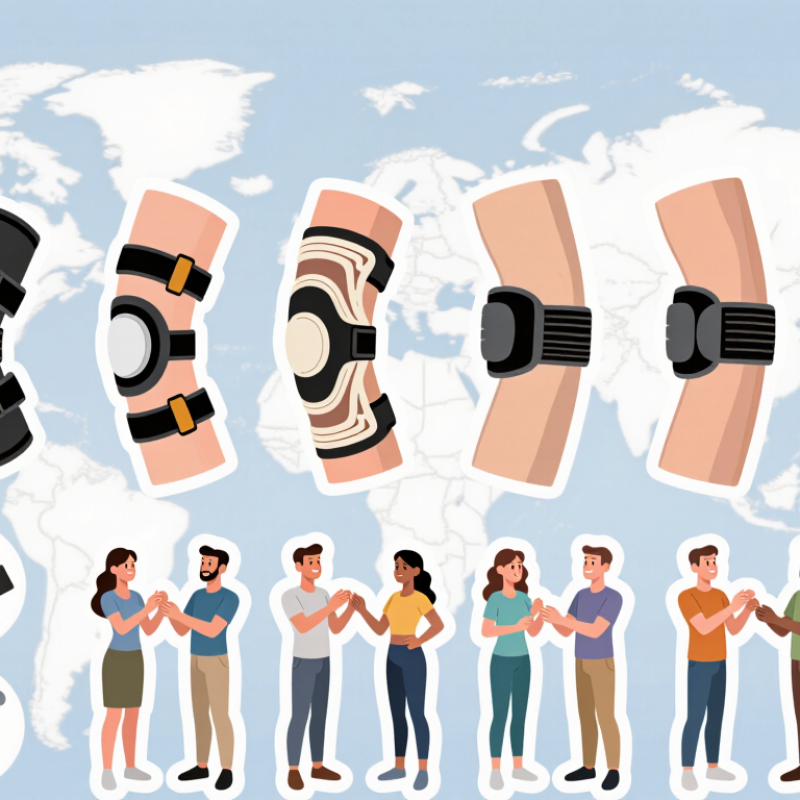
Orthopedic supports are wearable devices designed to protect, stabilize, or compress joints and soft tissues. They may support the knee, ankle, wrist, elbow, back, or thumb. Some reduce unwanted movement, while others improve alignment during daily activity. A knee brace can make stairs feel more controlled. A wrist splint may limit painful bending during sleep. These supports do not cure every orthopedic problem.
Fit matters most. An overly tight sleeve can cause numbness, swelling, or skin irritation. During fitting, check circulation, movement, and comfort. Skin should remain warm and normally colored. The support should stay in place without digging into the body. I would not call any support universally best. Body shape, injury history, activity level, and medical advice all change the choice.
Supports can help people manage discomfort while walking, working, exercising, or recovering. They should not replace diagnosis or rehabilitation. Pain that worsens, sudden weakness, or persistent swelling deserves professional assessment. For global buyers, sizing charts require careful attention because measurements and standards vary. Material choice also matters in hot climates, where moisture can increase rubbing. Look for breathable fabric, secure fasteners, clear care instructions, and traceable product information. One detail is often overlooked. People may wear supports for too many hours, which can hide symptoms or weaken normal movement. A qualified clinician can guide duration and adjustment, though even professional advice may need revision as recovery changes.
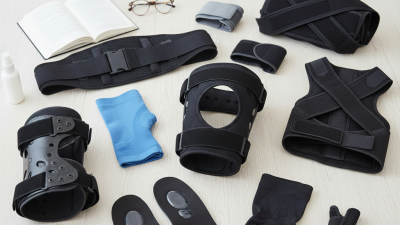
A practical comparison of common orthopedic support categories for everyday use, recovery, and injury prevention.
| No. | Orthopedic Support Type | Primary Body Area | Typical Support Level | Common Uses | How It Helps | Typical Materials | Important Buying Considerations |
|---|---|---|---|---|---|---|---|
| 1 | Knee Sleeve | Knee | Light to moderate | Mild joint discomfort, exercise, daily activity, and light swelling | Provides gentle compression, warmth, and proprioceptive feedback | Neoprene, nylon, polyester, elastane, or knitted fabric | Check circumference sizing, breathability, seam comfort, and whether the fabric is suitable for warm climates |
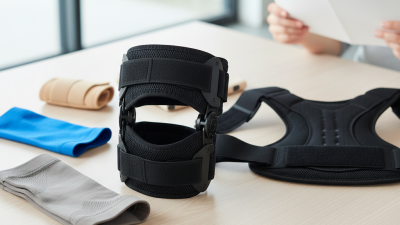
| 2 | Hinged Knee Brace | Knee | Moderate to firm | Knee instability, ligament support, and controlled movement during recovery | Side hinges and straps can limit unwanted side-to-side motion while allowing flexion and extension | Neoprene or textile body, aluminum or polymer hinges, hook-and-loop straps | Look for adjustable hinges, secure straps, correct joint alignment, and professional guidance after significant injury |
| 3 | Patella Stabilizing Brace | Front of the knee | Light to moderate | Patellar tracking concerns and discomfort around the kneecap | A buttress or stabilizing ring helps guide and support the kneecap during movement | Elastic textile, foam padding, silicone or polymer buttress | The stabilizer should sit directly around the kneecap without excessive pressure or slipping |
| 4 | Wrist Splint | Wrist and hand | Moderate | Wrist strain, nighttime support, and conditions requiring a neutral wrist position | Reduces excessive wrist bending and can rest irritated soft tissues | Breathable fabric, foam, thermoplastic stays, and hook-and-loop closures | Choose left- or right-hand orientation, thumb coverage, removable stays, and comfortable nighttime ventilation |
| 5 | Thumb Spica Support | Thumb and wrist | Moderate to firm | Thumb sprains, overuse discomfort, and support after minor soft-tissue injury | Restricts thumb movement while supporting the wrist and thumb base | Neoprene, laminated fabric, foam, and molded or flexible stays | Confirm thumb length, hand orientation, fastening strength, and whether finger movement remains unrestricted |
| 6 | Ankle Stabilizer | Ankle | Moderate to firm | Ankle instability, mild sprains, and return to activity after injury | Straps or semi-rigid panels help limit excessive inversion and eversion | Textile, neoprene, foam, elastic straps, and plastic or rigid supports | Check shoe compatibility, ankle circumference, heel opening, and support around both sides of the joint |
| 7 | Elbow Compression Sleeve | Elbow | Light to moderate | Exercise-related soreness, mild swelling, and repetitive-use discomfort | Provides warmth and compression without substantially restricting elbow movement | Nylon, polyester, elastane, neoprene, or knitted compression fabric | Select the correct size to avoid rolling, numbness, skin irritation, or excessive pressure |
| 8 | Elbow Counterforce Strap | Forearm near the elbow | Light to moderate | Overuse-related tendon discomfort during gripping or repetitive activity | Applies localized pressure to alter load transmission through forearm muscles and tendons | Elastic strap, foam or gel pad, and adjustable closure | Position matters; it should be snug but not tight enough to cause tingling, discoloration, or reduced circulation |
| 9 | Lower-Back Support Belt | Lumbar region | Light to firm | Short-term support during lifting, prolonged standing, or episodes of lower-back discomfort | May provide compression, warmth, and a reminder to avoid excessive trunk movement | Elastic fabric, neoprene, foam, flexible stays, and adjustable straps | Prioritize breathable construction, accurate waist measurement, and short-term use alongside movement and clinical advice |
| 10 | Posture Support | Upper back and shoulders | Light | Postural awareness during desk work or prolonged sitting | Provides gentle sensory feedback that encourages a more upright shoulder position | Elastic webbing, breathable textile, foam padding, and adjustable straps | It should not restrict breathing or shoulder movement; use it as a reminder rather than a replacement for strengthening and ergonomic changes |