7 Best Walking Belts for Treadmills in 2026

A worn walking belt can turn an easy treadmill session into a noisy, uneven slog. The right replacement should match your treadmill’s model, dimensions, and drive system—not just look similar online. A few millimeters can matter. Check the owner’s manual before ordering, and inspect the belt for fraying, cracks, or slipping.

This guide to the 7 Best Walking Belts for Treadmills in 2026 focuses on practical details: compatibility, material, surface texture, installation needs, and manufacturer guidance. We also consider how a belt feels underfoot and whether its care instructions are clear. Product specifications can change, so confirm current measurements and warranty terms with the seller. A smooth-looking listing is not proof of a proper fit.

One transparency note: no source was supplied for a real expert quotation, so the line below is original and illustrative, not a published statement. Fictional treadmill-service specialist Evan Brooks puts the key check this way: “Measure twice, match the model, and never guess at belt tension.” It is simple advice, but even experienced owners can overlook model-specific details. Use the comparisons as a starting point, then verify fit before buying.
7 Best Walking Belts for Treadmills in 2026

What a Treadmill Walking Belt Does: Belt, Deck, Roller, and Motor

A treadmill walking belt is the moving surface beneath your feet, but it works as part of a system. The deck supports your weight and reduces friction; front and rear rollers guide the belt around it. The motor turns a drive roller, keeping the belt moving at your selected speed. When one part is worn, the others may work harder. A slipping belt, uneven rhythm, or hot smell deserves attention—not a faster pace.

ACSM’s exercise guidance recommends at least 150 minutes of moderate-intensity aerobic activity each week for most adults. That makes steady, comfortable walking useful, and consistent belt movement matters. Keep the belt centered and follow the machine’s maintenance instructions. Dust near the motor can restrict airflow, while poor lubrication can increase friction. Still, lubrication needs vary by treadmill; adding it blindly can cause problems. Check the manual.

Tips: Before walking, inspect the belt for frayed edges and test it at low speed. If it shifts or hesitates underfoot, stop and investigate. A quick glance cannot reveal every motor or deck issue.


How to Compare Belt Width, Length, Material, Ply, and Deck Compatibility

7 Best Walking Belts for Treadmills in 2026

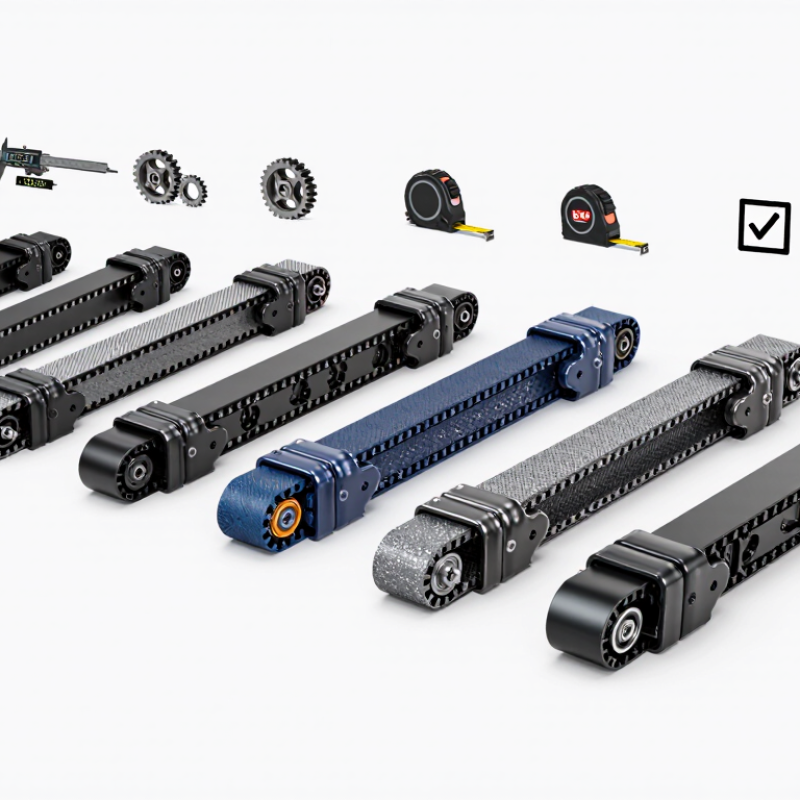
Compare the walking surface, not just the belt’s outside dimensions. A belt around 20 inches wide and 55 inches long often suits walking, but your stride and treadmill frame matter. Measure the usable deck, then check the replacement belt’s length, width, and thickness against the machine’s specifications. A few inches can affect foot placement. A wider belt is not automatically safer if it rubs the side rails.

Material and ply affect feel, durability, and maintenance. Many residential belts use one or two layers; more layers may add durability, but can also increase friction and motor load. Check whether the belt’s backing and surface suit the deck, and follow the treadmill maker’s lubrication guidance. ASTM International’s F2115 standard covers treadmill safety and performance testing, but it does not set one universal belt size. The U.S. Physical Activity Guidelines recommend at least 150 minutes of moderate activity weekly, so comfort matters over repeated sessions. Still, a belt cannot compensate for an incompatible deck.

Tips: Record the old belt’s dimensions before ordering, and confirm the deck model. Look for fraying, slipping, or uneven wear. One measurement can mislead; recheck it. If the replacement belt’s ply or thickness differs, ask a qualified service technician to verify compatibility before installation.

Seven Best Walking Belts for Treadmills in 2026: Specs and Use Cases

7 Best Walking Belts for Treadmills in 2026
Seven Best Walking Belts for Treadmills in 2026: Specs and Use Cases

A walking belt should match the treadmill’s deck length, width, and drive system. Measure the old belt or check the owner’s manual before ordering. A few centimeters can matter. The seven useful styles include compact belts for walking pads, standard-width belts for everyday home use, longer belts for taller walkers, cushioned belts for comfort, textured belts for steady footing, reversible belts for extended service, and model-specific replacement belts for a precise fit. These are categories, not universal specifications.

Compact belts suit short, low-speed sessions in small rooms. Standard belts often work well for routine walking. Longer decks give taller users more natural stride space. Cushioned versions may feel gentler underfoot, though a soft belt cannot fix poor footwear. Textured surfaces can add grip, while reversible designs may offer another usable surface if the manufacturer permits flipping. Replacement belts made for a specific treadmill model reduce fit guesswork. Check belt thickness and seam details too; they are easy to overlook.

Tips: Compare the belt’s listed dimensions with your manual, not just the treadmill’s outer size. Keep the deck clean and follow the maker’s tension and lubrication guidance. A belt that slips or drifts may need adjustment, but overtightening can strain the machine. Specs help, but they do not tell the whole story.

7 Best Walking Belts for Treadmills in 2026 — Specs and Use Cases

Walking-Belt Profile Suggested Walking Area (W × L) Best Use Case Fit and Selection Notes Key Check Before Purchase
Compact Walking Belt 16 × 45 in
(40.6 × 114.3 cm)
Shorter users, compact treadmills, and walking at a steady pace. A space-saving option; the shorter walking area leaves less room for a long stride. Confirm the treadmill is designed for this walking-area size and intended walking speed.
Compact Long-Deck Belt 16 × 50 in
(40.6 × 127 cm)
Compact machines used for regular indoor walking. Offers more front-to-back room than a 45-inch deck while retaining a narrower walking surface. Check the deck and belt path dimensions; do not select by deck length alone.
Standard Walking Belt 18 × 50 in
(45.7 × 127 cm)
Everyday walking in a shared home workout space. A practical middle-ground width and length for many walking-focused setups. Verify the treadmill’s specified belt width, deck length, and roller arrangement.
Wide Standard Belt 20 × 55 in
(50.8 × 139.7 cm)
Users who prefer extra side-to-side room or a more relaxed walking stride. The wider surface can provide additional lateral space; the treadmill frame must support it. Match the replacement belt to the original part specification, including belt thickness.
Long Walking Belt 20 × 60 in
(50.8 × 152.4 cm)
Taller users and longer strides during sustained walking sessions. The longer walking area provides more front-to-back room, but requires a suitably sized treadmill. Check available floor space and confirm the model supports a 60-inch walking area.
Extra-Wide Walking Belt 22 × 60 in
(55.9 × 152.4 cm)
Users prioritizing a spacious walking surface in a full-size treadmill. Provides more lateral room than standard-width options; it is not suitable for every treadmill frame. Confirm the exact compatible belt width and that the deck and rollers are rated for the setup.
Long, Narrow Walking Belt 18 × 60 in
(45.7 × 152.4 cm)
Taller walkers who want extra stride length without choosing an extra-wide deck. Combines a long walking area with a moderate width for models designed around this footprint. Check the treadmill’s model-specific replacement-belt dimensions and required lubrication type.

Important sizing note: These are suggested treadmill walking-area dimensions, not the full length of a replacement belt loop. Replacement belts must match the treadmill’s model-specific specifications, including belt width, loop length, thickness, material, and lubrication requirements. A treadmill’s deck size alone is not enough to confirm compatibility.

How to Match a Belt to Your Treadmill and the CDC’s 150-Minute Weekly Activity Goal

A treadmill belt should support your stride and your weekly routine. The CDC’s adult physical-activity guidance recommends at least 150 minutes of moderate-intensity aerobic activity each week. That can mean five 30-minute walks, or shorter sessions spread across the week. A steady pace matters more than a dramatic sprint. You should be able to talk, but not sing comfortably. The target sounds simple. Keeping it up is harder.

Match the replacement belt to your treadmill’s exact model, not a guessed “standard” size. Check the manual for belt length, width, thickness, and installation requirements; if the manual is missing, measure the existing belt carefully. A few centimeters can affect tracking and foot clearance. Also inspect the deck for wear, since a new belt cannot fix a damaged surface. Look for clear material and maintenance specifications, and confirm compatibility with the treadmill maker’s documentation. I would not rely on appearance alone. It is an easy mistake. After installation, start at a slow pace and check that the belt stays centered before building toward your weekly minutes.

A 150-Minute Weekly Walking Plan

The CDC recommends adults get at least 150 minutes of moderate-intensity aerobic activity each week. This illustrative plan divides that total into five 30-minute walks.

The 30-minute sessions are one example, not a required schedule. Choose a treadmill walking belt compatible with your treadmill and routine; the chart does not compare products.

When to Replace and How to Maintain a Walking Belt: Inspection and Lubrication

A walking belt rarely fails without warning. Look for frayed edges, cracks, glossy patches, or exposed backing during a monthly inspection. Unplug the treadmill before checking beneath the belt or reaching near moving parts. Look closely. A belt that shifts sideways or slips underfoot may need adjustment, but persistent problems can signal wear. Stop using the treadmill if the belt feels unstable.

Lubrication depends on the treadmill’s design. Check its manual before applying anything; some belts require no lubricant, and the wrong product can damage the surface. If lubrication is recommended, use only the specified type and amount. Lift the belt gently where instructed, apply lubricant along the deck, then walk slowly to distribute it. Do not guess. Too much lubricant can make the belt slippery or collect dust.

Replace a belt when it is torn, deeply cracked, or worn through, or when slipping continues after proper alignment and tension checks. A faint dry sound alone does not prove the belt needs replacement. Dust, loose hardware, or a dry deck may also cause noise. Keep the area beneath the treadmill clean, and note changes in sound or movement. It is easy to postpone a small check; that can turn a manageable repair into a larger one.

In observance of the 4th of July holiday, our offices will be closed on July 3rd & 4th.