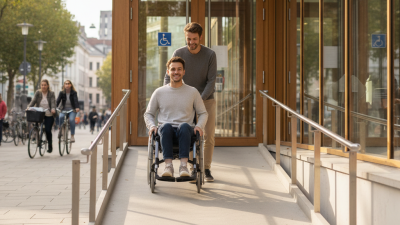
What is Walking Support and Why Is It Important for Mobility?
Walking support is crucial for enhancing mobility, especially for the elderly and those with disabilities. In a recent report by the World Health Organization, nearly 15% of adults aged over 60 face mobility challenges. Walking support can significantly improve their quality of life. It helps in increasing independence and reducing falls, which can lead to severe injuries.
Research shows that effective walking support can reduce fall risks by up to 40%. Assistive devices such as canes, walkers, and mobility aids have become common in rehabilitation settings. However, proper training in their use is often overlooked. Many users struggle, resulting in limited benefits. This gap raises important questions about accessibility and education.
The importance of personalized walking support cannot be overstated. Each individual has unique needs based on their physical condition. Moreover, the psychological impact of mobility aids is significant. Some users may feel stigmatized or reluctant to use these supports openly. Challenges remain in integrating walking support into daily life successfully. Addressing these issues is essential for improving overall mobility and independence.
Understanding Walking Support: Definition and Types
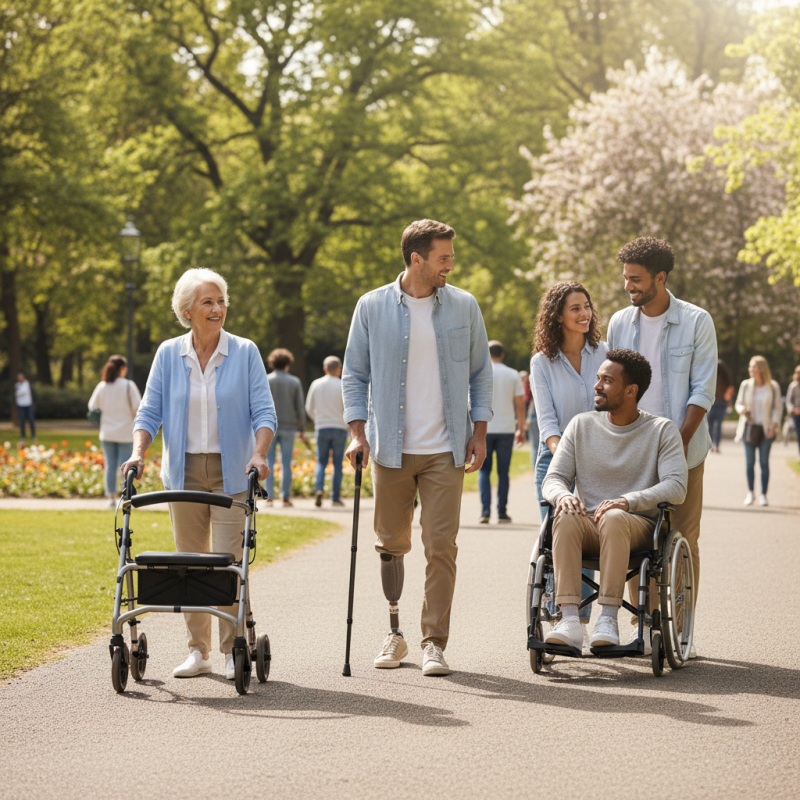
Walking support encompasses various tools and techniques that aid individuals in maintaining mobility. It can include devices like canes, walkers, and specialized footwear. Understanding the types of walking supports can greatly enhance one’s independence and safety during movement.
There are two main categories of walking support: assistive devices and environmental modifications. Assistive devices are designed to provide balance and stability. For example, walkers offer a sturdy frame that supports the user’s weight. On the other hand, environmental modifications involve adjusting one’s surroundings to increase safety. Handrails in staircases or non-slip mats can prevent accidents at home.
Tips for choosing the right walking support involve consulting a healthcare professional. They can recommend the most suitable device based on individual needs. Regularly practicing balance exercises can also improve confidence while walking. Remember that walking supports might need adjustments as your mobility changes. Be open to reassessing your needs regularly to ensure continued safety and independence.
The Role of Walking Support in Enhancing Mobility
Walking support plays a crucial role in enhancing mobility, especially for individuals with limited physical strength. According to a report by the World Health Organization, nearly 15% of the global population experiences some form of disability. This presents a significant challenge for maintaining independence and quality of life. Walking support devices, such as canes and walkers, provide essential stability. These tools not only assist in movement but also boost confidence.
Evidence shows that using walking support can improve balance and reduce fall risk. A study published in the Journal of Rehabilitation Research found that patients using walking aids had a 30% lower incidence of falls compared to those who did not use them. Furthermore, it enhances engagement in physical activity. Many seniors who rely on walking aids report that they feel more comfortable participating in social activities. This is pivotal for mental health and community involvement.
However, relying on these supports can create potential limitations. Some individuals may develop an over-reliance on their aids, leading to weakened muscles. It is important for users to engage in strength training and balance exercises alongside using walking support. This dual approach can help maintain mobility and prevent further physical decline. The journey towards improved mobility is complex, blending support with proactive health measures.
Importance of Walking Support for Mobility
Benefits of Walking Support for Different Age Groups
Walking support plays a crucial role in enhancing mobility across various age groups. According to a report by the World Health Organization, approximately 28% of adults aged over 60 experience difficulty in walking. This limitation can significantly impact their quality of life, leading to isolation and increased dependency. In contrast, walking support devices can help mitigate these challenges, allowing older adults to regain independence.
For children, walking support can aid in developmental milestones. Research published in the Journal of Pediatric Rehabilitation Medicine reveals that assistive devices can improve balance and coordination in young patients. This is vital for children with motor impairments who face struggles in mobility. Such support not only fosters physical development but also enhances social interactions. As these children learn to walk with confidence, they often feel a greater sense of inclusion among peers.
Individuals with disabilities also benefit from walking support. Data from the U.S. Department of Health and Human Services indicates that nearly 12% of the population has mobility challenges. Adaptive walking devices promote mobility and can improve overall health outcomes. However, the effectiveness of these devices often depends on proper fitting and user training. A poorly fitted device can lead to frustration and reduced motivation. Thus, it's important to prioritize personalized support and ongoing assessment.
Factors to Consider When Choosing Walking Support
When choosing walking support, several factors should be considered to ensure safety and comfort. The user’s weight and height are key elements. A properly sized support aids balance and prevents falls. It's essential to assess mobility levels as well. Some may need basic support, while others may require more advanced features.
Material and design also play important roles. Lightweight materials can enhance maneuverability. However, sturdier designs might offer better stability. Users should consider how often they will use the support. Frequent users may prefer a foldable option for convenience. Additionally, evaluate grips and handles. Comfortable grips reduce fatigue during use.
Finally, safety features cannot be overlooked. Reflective surfaces or non-slip bases provide extra assurance. Always test walking support before purchasing. If it feels off, reassess the options. Reflection on personal needs and preferences is crucial in this process.
Maintaining and Utilizing Walking Support Effectively
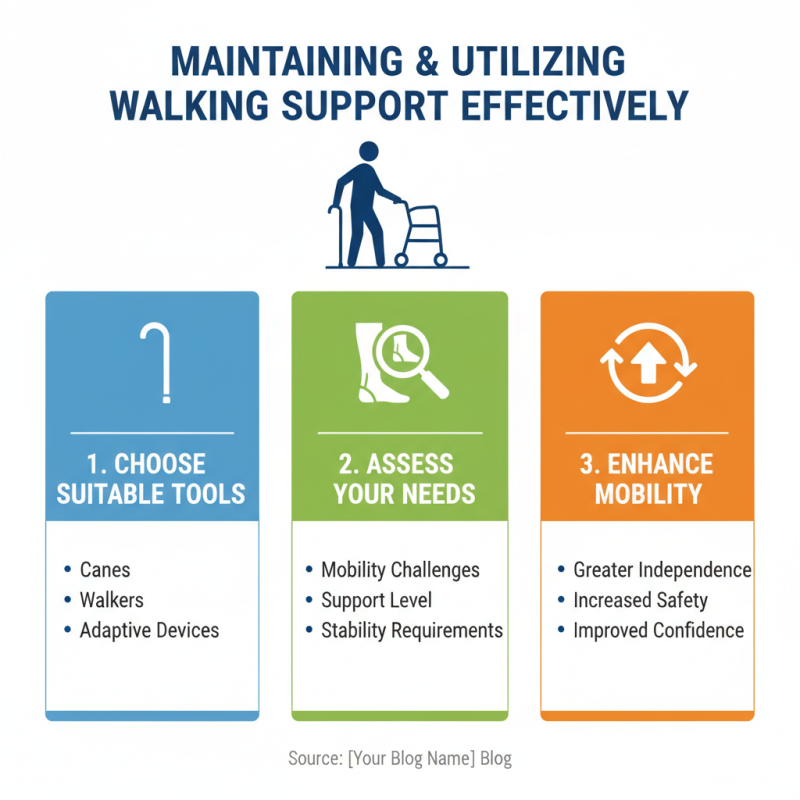
Walking support plays a crucial role in enhancing mobility for many individuals. To utilize walking support effectively, it’s essential to choose tools suited to your needs. This could include canes, walkers, or other adaptive devices. Each option offers different levels of support and stability. It’s vital to assess which type aligns with your mobility challenges.
Tips for choosing a walking aid:
- Consult a healthcare professional for personalized recommendations.
- Try various options in a safe environment before committing.
- Consider weight and portability for ease of use.
Proper technique is as important as the device itself. When using walking support, ensure your grip is firm and your posture is upright. This helps maintain balance. Remember, using support isn't just about physical assistance; it's about boosting confidence too. Regular practice strengthens muscles and improves coordination.
Tips for effective use:
- Set small goals for daily walking sessions.
- Engage in balance exercises to complement your walking routine.
- Don’t hesitate to seek feedback on your technique from trusted sources.