Who Is the Best Orthopedic Manufacturer in China?

Choosing the best orthopedic manufacturer in China requires more than comparing prices or factory photos. It means checking materials, quality systems, clinical evidence, production consistency, and after-sales support. The stakes are tangible: a tiny surface defect or an inconsistent dimension can matter inside a patient’s body.

Grand View Research estimated the global orthopedic devices market at USD 55.7 billion in 2023 and forecast continued growth through 2030. That figure describes a broad market, not proof that any one supplier is superior. Still, it shows why buyers need careful, evidence-led evaluation. A polished website is not enough.

Orthopedic surgeon and biomaterials researcher Dr. Joshua J. Jacobs has emphasized the importance of studying implant materials and their biological effects. His work offers a useful reminder: product claims need evidence. Rather than inventing a direct quotation, this introduction summarizes that principle; readers should consult his published research for his precise words.

A credible orthopedic manufacturer should be able to explain its design controls, testing methods, traceability, and experience with relevant product categories. Ask for current certificates and technical documents, then verify them independently. Look closely at the details. A certificate alone does not establish clinical performance.

This guide compares manufacturers using practical criteria, not unsupported rankings. Some details may remain hard to confirm from public sources; that limitation deserves attention. The “best” choice depends on the product, intended market, and buyer’s verification process. Compare carefully. Judge the evidence, not the brochure.
Who Is the Best Orthopedic Manufacturer in China?

Understanding the Role of Orthopedic Manufacturers in China

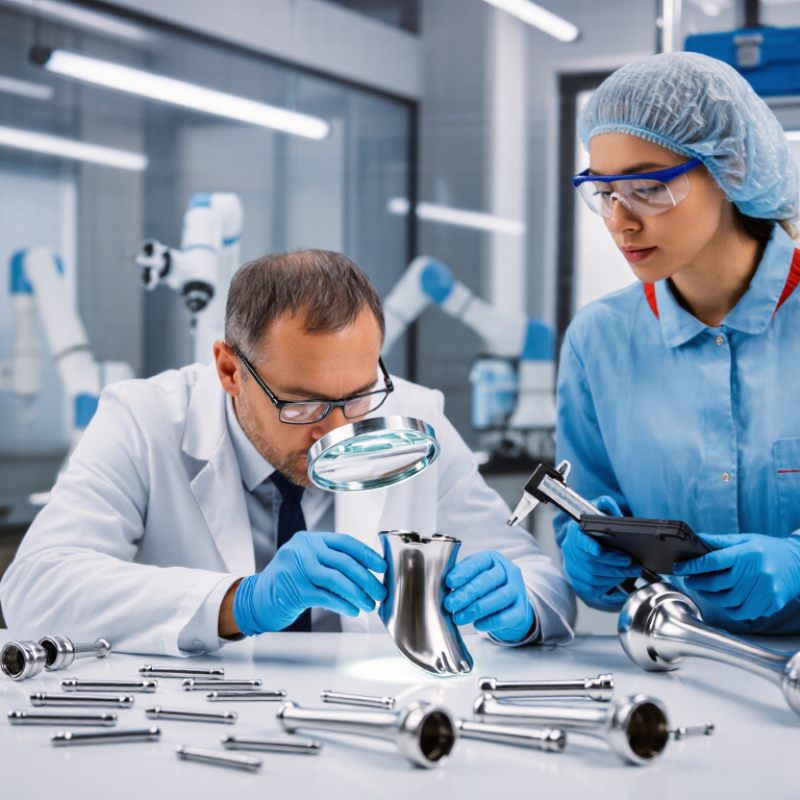
Orthopedic manufacturers in China do more than produce metal parts. They translate engineering drawings into implants, instruments, and repeatable production steps. A small mismatch in a screw thread or plate hole can affect assembly and fit. Details matter. Skilled teams review tolerances, control materials, and inspect parts at defined stages instead of relying only on a final visual check.

Their role may include prototyping, process planning, machining, surface finishing, packaging, and maintaining production records. For a buyer, useful evidence includes material certificates, inspection results, device traceability, and clear procedures for handling nonconforming parts. Ask how changes to a drawing are approved and communicated. A sample that fits well is helpful, but it does not prove every production batch will be consistent.

Even a documented process can have weak handoffs between design and production; that gap deserves attention. A factory visit or independent quality audit can reveal practical details, such as how calibrated gauges are stored and how rejected components are separated. Requirements also vary by device and sales market, so manufacturers should provide accurate documentation without implying that one approval covers every destination. Check the evidence carefully.
Key Product Categories and Manufacturing Capabilities

Who Is the Best Orthopedic Manufacturer in China?

Key Product Categories and Manufacturing Capabilities

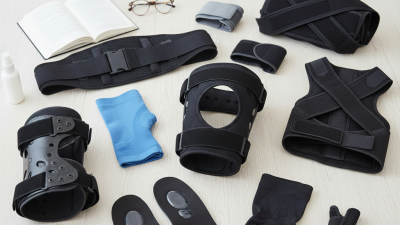
A manufacturer’s product range can reveal how well it serves different clinical needs. Common categories include trauma fixation systems, joint replacement components, spinal implants, and surgical instruments. Trauma products may include plates, screws, and intramedullary nails in varied sizes. Joint systems often require carefully matched components and consistent dimensions. Small details matter.

Manufacturing capabilities shape product consistency. Depending on the design, production may involve precision machining, forging, surface treatment, and controlled assembly. Reliable makers also inspect dimensions, material properties, and finished surfaces at defined stages. Traceability helps connect components with production records. These steps are important, but process descriptions alone do not prove quality.

A broad catalog can look impressive while leaving gaps in clinical fit or support. That deserves a closer look. Buyers can ask how designs are tested, how production changes are controlled, and whether documentation is available for each product category. Clear answers matter more than polished claims. No factory is perfect; even established processes need review and improvement. A useful assessment considers product suitability, manufacturing evidence, and communication together.

Standards for Evaluating Quality, Safety, and Compliance

Choosing the best orthopedic manufacturer in China requires more than comparing prices or product catalogs. Look for documented quality systems, trained production staff, and clear records for each device batch. Ask how materials are checked before production and how finished products are inspected. A reliable supplier should explain these steps plainly, not rely on polished promises.

Safety and compliance need practical evidence. Review applicable certificates, test reports, product labeling, and instructions for use. Confirm that documents match the exact product and model under review. Traceability matters: the manufacturer should be able to connect a batch number to material records and inspection results. Facility audits can reveal details that paperwork misses, such as clean work areas or consistent measurement tools. Still, one visit cannot prove every process is dependable. That limitation deserves honest attention.

Tips: Request recent, product-specific documents. Check certificate validity with the issuing body. Ask how complaints, defects, and corrective actions are recorded. Compare samples against approved specifications, including dimensions and finish. Keep your evaluation criteria in writing; small omissions can matter.

Comparing Manufacturers by Expertise, Scale, and Innovation

Choosing the best orthopedic manufacturer in China requires more than comparing factory size. WHO’s 2022 Musculoskeletal Health fact sheet estimates that 1.71 billion people worldwide live with musculoskeletal conditions. China’s National Bureau of Statistics reported 216.76 million residents aged 65 or older in 2023, about 15.4% of its population. These figures indicate substantial need, but they do not prove any supplier’s quality.

Compare expertise through design controls, surgeon feedback, and traceability from material batches to finished implants. Request test records for fatigue strength, corrosion resistance, and sterilization validation. Ask how adverse events and revisions are monitored after products reach hospitals. A polished catalogue is not clinical evidence. The OECD’s Health at a Glance 2023 reports wide variation in hip and knee replacement rates across countries, reflecting differences in access and practice. Production volume alone, therefore, says little about patient outcomes.

Scale matters. Check whether a manufacturer can maintain consistent tolerances across batches and provide clear audit records. Innovation matters, too, but a new design should be supported by testing and follow-up data, not novelty claims. One limitation in this comparison: public information rarely reveals long-term revision rates in enough detail. Buyers should verify relevant registrations and quality-system documentation directly, then compare evidence against the intended clinical use.

How to Identify the Best Manufacturer for Specific Needs

Choosing the best orthopedic manufacturer in China starts with your specific product, not a general ranking. An implant, trauma plate, and reusable instrument require different materials, processes, and verification. Define intended use, key dimensions, order volume, packaging needs, and target markets before requesting quotations. This brief makes comparisons clearer.

Ask how the manufacturer controls material sourcing, production changes, inspection, and traceability. Review relevant quality-system documents, test records, and sample products; check that records match the processes used for your device. Samples can deceive. A polished finish does not prove consistent production. If possible, assess the facility and speak with technical staff about tooling, process validation, and corrective actions. Confirm capacity and lead times against your actual forecast. A supplier may be strong in instruments but less suited to implants. No checklist removes judgment; an audit can still miss a weakness.

Tips: Request a sample with its inspection results, not just a product photo. Compare critical dimensions and finish against your specifications. Ask how defects are documented and resolved. Keep notes: small gaps in communication can become costly surprises later.

Who Is the Best Orthopedic Manufacturer in China? - How to Identify the Best Manufacturer for Specific Needs

There is no single best manufacturer for every orthopedic product or market. Compare manufacturers against the specific device, destination market, intended use, and evidence requirements. The criteria below are a practical due-diligence framework, not a ranking of companies.

Evaluation dimension What to verify Relevant evidence or reference Why it matters Buyer’s check
Product and intended-use fit Confirm the manufacturer produces the exact device category, configuration, and intended use required—for example, trauma fixation, joint replacement, spinal implants, or orthopedic instruments. Product specifications, drawings, intended-use statement, and applicable market authorization for the specific device. Capabilities and regulatory requirements differ by device type; a general orthopedic portfolio does not establish suitability for a particular product. Match the exact model and intended use to your technical and clinical requirements.
Quality management system Check whether the quality system covers the relevant manufacturing site and device activities, and verify certificate scope and validity. A current ISO 13485 certificate and, where appropriate, audit findings or quality-system records. ISO 13485 specifies quality-management-system requirements for medical-device organizations; certification alone does not prove that a particular product is authorized or clinically suitable. Verify the certificate with the issuer and confirm the site, scope, and expiration date.
Market authorization Confirm the product’s legal status in each intended sales market. Requirements depend on the device, risk classification, and jurisdiction. For China, applicable NMPA registration or filing records. For the United States, the applicable FDA pathway and product-specific clearance or approval where required. For the EU, applicable MDR conformity-assessment and CE-marking documentation. A factory certificate, export history, or authorization for one product does not automatically authorize another product or market. Cross-check the model, legal manufacturer, device description, and authorization status in the relevant official records.
Materials and traceability Review material grade, supplier controls, incoming inspection, lot traceability, and change-control procedures for implantable or instrument products. Material certificates, specifications, inspection records, and traceability records. Examples of commonly referenced implant-material specifications include ASTM F136 for wrought Ti-6Al-4V ELI alloy and ASTM F75 for cobalt-28 chromium-6 molybdenum alloy castings. Material suitability depends on the device design and applicable specification; a material name without grade and lot documentation is insufficient for verification. Ask for documentation tied to the quoted product and confirm that substitutions require controlled approval.
Design verification and testing Establish which performance, dimensional, fatigue, mechanical, or usability tests apply to the specific device and intended use. Device-specific test plans and reports, acceptance criteria, and documentation of design verification and validation. The appropriate tests vary across implants, instruments, and device designs; a generic test report may not support the product being purchased. Review test methods, sample configurations, results, and whether the tested design matches the supplied product.
Biological safety Check the biological evaluation for devices that contact the body, taking account of contact type, duration, materials, and manufacturing residues. A risk-based biological evaluation using applicable parts of the ISO 10993 series and supporting test or equivalence rationale, as appropriate. Biological evaluation is specific to the device and its contact conditions; one test set does not automatically apply to every product. Confirm that the evaluation covers the final, finished device and relevant processing residues.
Sterilization and sterile packaging For products supplied sterile, identify the sterilization method, validation status, routine controls, packaging system, and shelf-life evidence. Applicable validation and routine-control records; examples of sterilization standards include ISO 11135 for ethylene oxide, ISO 11137 for radiation, and ISO 17665 for moist heat. These standards address different sterilization methods. The correct evidence depends on the method and product; non-sterile products have different requirements. Check that the validated process and packaging apply to the specific product and stated shelf life.
Manufacturing controls and process capability Assess controls for machining, finishing, cleaning, inspection, nonconforming product, equipment maintenance, and outsourced processes as relevant. Process flow, inspection plans, calibration records, validation records where required, and a site audit or qualified third-party audit. Reliable supply depends on controlled, repeatable processes at the actual production site, not just on a product brochure or sample. Audit the site and processes that will make, inspect, and release your product.
Clinical and post-market evidence Review clinical evidence and post-market processes appropriate to the product, risk, intended use, and target jurisdiction. Applicable clinical evaluation or investigation documentation, complaint handling, vigilance, and corrective-action records. Evidence expectations differ by product and market; claims should be supported by evidence relevant to the device and intended use. Ask how safety signals, complaints, and field actions are monitored and communicated.
Supply, service, and commercial fit Evaluate quoted lead times, minimum order quantities, forecast flexibility, spare-part availability, technical support, and change notification. Written quotations, service terms, supply agreements, quality agreements, and documented escalation contacts. These commercial capabilities are organization- and contract-specific and should be confirmed rather than assumed from general claims. Compare total landed cost and service commitments, not unit price alone.

Selection principle: Choose the manufacturer whose product-specific regulatory status, technical evidence, quality controls, and supply commitments best match your requirements. Independently verify certificates and authorizations, and obtain qualified regulatory advice when needed.

In observance of the 4th of July holiday, our offices will be closed on July 3rd & 4th.