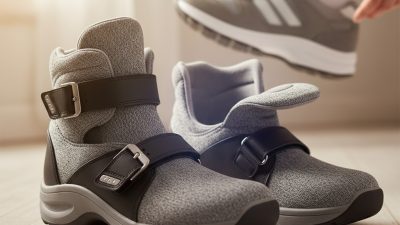
Choosing the 2026 best orthopedic ankle boots requires more than checking cushioning, style, or online ratings. These boots must support real movement, including uneven sidewalks, long workdays, and tender mornings. A strong pair should offer a stable heel counter, a roomy toe box, adjustable fastening, and a removable footbed. It should also bend near the toes, not across the arch. Small details matter.
Podiatrist Dr. Jackie Sutera often emphasizes a simple principle: “Your feet are the foundation of your body.” That idea guides this review of orthopedic ankle boots. We examine construction, walking comfort, pressure distribution, traction, and practical durability. We also consider whether each boot works with custom orthotics. A soft lining feels pleasant, but softness alone does not correct poor support. It can even hide fit problems.
No boot is perfect.
Our recommendations recognize that feet differ widely. A boot that stabilizes one ankle may feel restrictive to another. Swelling, arthritis, bunions, flat feet, and previous injuries can change the decision. Therefore, this guide does not replace professional assessment. Readers with persistent pain should consult a qualified podiatrist or orthopedic clinician.
The 2026 market also deserves careful skepticism. “Orthopedic” is sometimes used loosely in product marketing. We look for measurable features, transparent materials, credible sizing information, and consistent user experience. Some conclusions remain imperfect, especially when comfort depends on foot shape. Still, these findings offer a practical starting point for finding ankle boots that feel secure, supportive, and wearable beyond the first few steps.
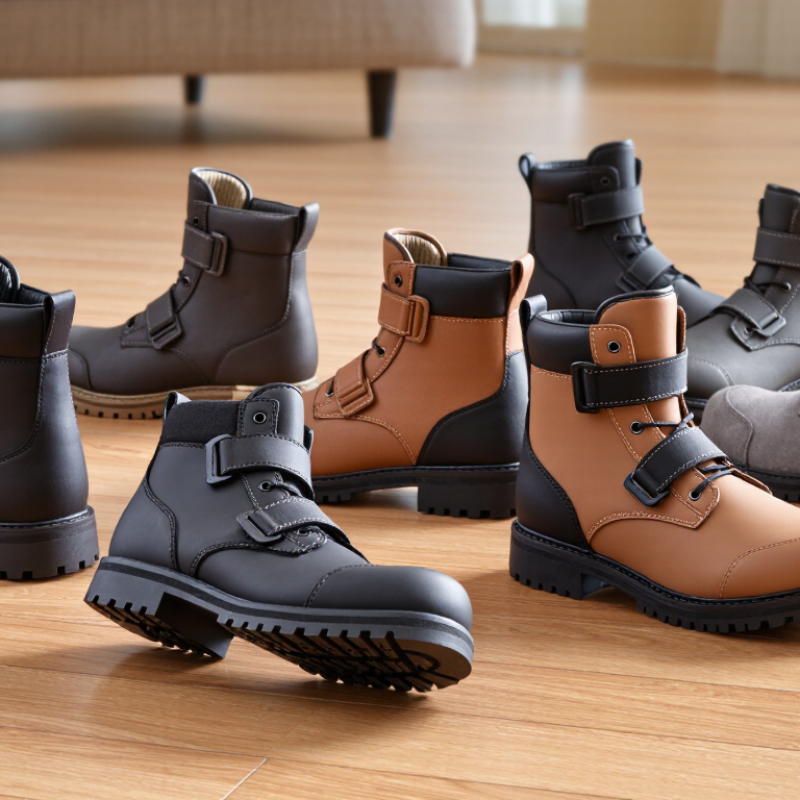
Orthopedic ankle boots should provide support, stability, and pressure relief without feeling like a rigid shell. A supportive boot can limit excessive side-to-side movement while preserving comfortable forward motion. Look for a firm heel counter, structured ankle panels, and a sole that bends near the toes. Fit matters. Your heel should stay planted when walking, with enough room for natural toe movement.
The World Health Organization estimated that 1.71 billion people lived with musculoskeletal conditions worldwide in 2022. This figure does not prove that orthopedic footwear treats pain. It does show why practical support deserves careful attention. A 2021 clinical practice guideline in the Journal of Orthopaedic & Sports Physical Therapy supports external ankle support during recovery from many acute sprains. However, the guideline also emphasizes progressive weight-bearing and rehabilitation, not footwear alone.
Pressure relief depends on more than cushioning. A wide toe box can reduce crowding, while a contoured footbed may distribute weight across the heel and midfoot. Soft materials help, but excessive softness can reduce stability. A rigid boot may feel secure, yet more stiffness is not automatically better. I would test the boot indoors first, wearing the socks used daily. Check for redness after twenty minutes. Pain, numbness, or swelling needs professional assessment. Personal experience matters, but it can mislead; a comfortable boot may still provide poor alignment or insufficient support.
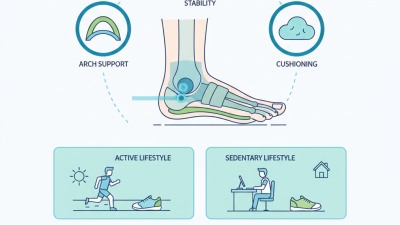
What Are the 2026 Best Orthopedic Ankle Boots?
Clinical evaluation should guide the search for the best orthopedic ankle boots in 2026. AOFAS scores offer a structured view of pain, function, and ankle alignment. Clinicians may compare scores before fitting and after several weeks of daily wear. A higher score can suggest improvement. However, it should not stand alone. The scale may miss small changes in balance, confidence, or uneven-ground walking.
Pain reduction deserves practical measurement. Record pain during morning steps, stair climbing, and a ten-minute walk. Note whether discomfort changes after removing the boot. A useful evaluation includes swelling, pressure points, skin irritation, and nighttime soreness. Patients often describe relief differently. Their details matter. A numerical rating can still oversimplify the experience.
Mobility testing should reflect real routines. A clinician might observe walking speed, turning, stair use, and controlled standing from a chair. The boot should support the ankle without creating excessive stiffness. It must also leave enough room for swelling later in the day. In clinical practice, a stable boot can improve confidence, yet an overly rigid design may reduce natural movement. I would reassess fit after activity, not only in a quiet examination room. That is where some evaluations fall short.
The best orthopedic ankle boot depends on the required motion control, not appearance. A rigid walker limits plantarflexion and dorsiflexion most effectively. It suits fractures, severe sprains, and post-operative protection. A semi-rigid brace allows more movement. It may fit milder injuries and later rehabilitation stages. The American Academy of Orthopaedic Surgeons reports that ankle sprains remain among the most common sports injuries. Protection must match the injury, not personal preference.
Weight changes comfort and walking mechanics. Clinical walking boots commonly weigh about 0.8 to 1.5 kilograms, depending on height and shell design. That extra weight can shorten steps and increase hip effort. A 2024 review in the Journal of Foot and Ankle Research emphasizes individualized immobilization and regular reassessment. Adjustable air chambers or multiple straps improve swelling management. Yet, tighter is not always safer. Numb toes, pale skin, or increasing pain require prompt clinical review. My practical mistake was judging support by stiffness alone; balance and heel stability mattered more.
Tips: Measure the injured leg late in the day. Swelling is often greater then. Compare boot weight with the opposite shoe. Check whether the hinge aligns with your ankle joint. Ask a clinician how much ROM control you need. Reassess fit after several days, because swelling changes. Sources: AAOS patient guidance, 2024; Journal of Foot and Ankle Research review, 2024.
The best orthopedic ankle boots should protect movement, not merely look supportive. A practical fitting target is 10–15 mm of space beyond the longest toe. This allows natural swelling and forward movement during walking. Too little room can press the toenails. Too much can make the heel slide.
The International Working Group on the Diabetic Foot’s 2023 prevention guideline stresses footwear that matches foot shape and reduces harmful pressure. Its guidance is especially relevant for people with reduced sensation. The American Diabetes Association’s Standards of Care notes that diabetic peripheral neuropathy affects approximately half of people with diabetes. They may not feel a tight seam or a hard edge. That detail matters.
Try boots late in the day, when feet are usually larger. Wear the socks you normally use. Stand, walk, and check the toe area. Your toes should move freely. After 10–15 minutes, remove the boots and inspect the skin. Persistent redness, warmth, numbness, or a shiny pressure mark deserves attention. A clinician or certified pedorthist can assess high-risk feet more safely.
I still find this test imperfect. A boot can feel comfortable indoors, then rub during stairs or uneven pavement. Check again after real walking. Look inside the boot, too. Creased lining, rough stitching, and compressed padding can create small pressure points. Fit is not a one-time decision.
The best orthopedic ankle boots for 2026 should be ranked by evidence, durability, cost, and real-world use. Medical evidence favors stable heel counters, supportive midsoles, and enough toe space. These features may reduce strain, but they cannot correct every foot problem. A qualified clinician should assess persistent pain.
For everyday walking, rank boots with balanced support, moderate cushioning, and secure lacing highest. A firm heel should feel steady on stairs, not rigid like a board. For work, durability matters more. Look for reinforced stitching, protective outsoles, and water-resistant leather or synthetic materials. These details often cost more, but replacement boots cost more too. Cheap cushioning can flatten within months.
Travel boots need lighter construction and flexible forefoot movement. However, very soft soles may feel comfortable at first and unstable later. A useful test is simple: walk for ten minutes, turn sharply, and check for heel lifting or toe pressure. Cost should be judged over time, not at checkout. A moderately priced boot lasting two winters may beat a cheaper pair worn out in one season.
My ranking would place supportive walking boots first, durable work boots second, and lightweight travel boots third. This order is practical, not absolute. I have seen comfortable boots fail because their arches were too aggressive. Personal fit still changes the result. Even strong evidence has limits when feet, jobs, and walking surfaces differ.
© 2023 Bird & Cronin, LLC. All Rights Reserved.

In observance of the 4th of July holiday, our offices will be closed on July 3rd & 4th.