China Top Orthopedic Goods for Global Buyers Guide?
In a rapidly evolving market, China has emerged as a hub for high-quality orthopedic goods. According to recent industry reports, the global orthopedic device market is anticipated to reach $66 billion by 2025. This growth reflects the increasing demand for advanced medical solutions and innovative technologies in orthopedics. The orthopedic goods sector is not just thriving in China; it is impacting patients worldwide.
Dr. Emily Chang, a leading expert in orthopedic medicine, emphasized, "The right orthopedic goods can significantly enhance recovery times and improve patient outcomes." This highlights the importance of selecting quality products when sourcing for global markets. However, the influx of manufacturers also raises concerns. Not every product meets the stringent quality standards necessary for safe clinical use.
As buyers seek orthopedic goods, it is essential to conduct thorough evaluations. The balance between cost and quality can be delicate. Some products may appear innovative but lack rigorous testing. Therefore, partnerships with reputable suppliers are crucial. Scrutinizing certifications and proven track records can lead to better choices. With the right guidance, sourcing in this sector can be rewarding.
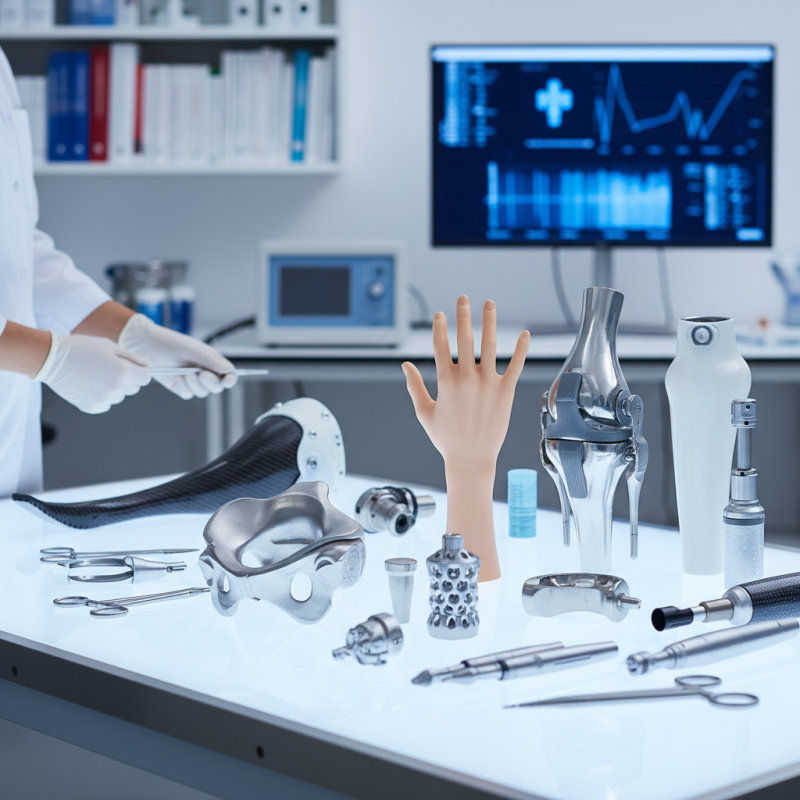
Overview of China's Orthopedic Goods Market
China's orthopedic goods market has witnessed significant growth in recent years. This expansion is driven by an increasing aging population and a rising prevalence of musculoskeletal disorders. The demand for orthopedic products is consistently on the rise. High-quality, durable materials are now a standard expectation among buyers.
Manufacturers in China are focusing on innovation to stay competitive. They invest in research and development to enhance product functionality. However, challenges persist in ensuring all products meet international standards. Quality control can vary, which raises concerns for global buyers. Understanding local suppliers’ certifications is crucial. Ensuring reliability in sourcing remains a priority.
Moreover, the landscape is continuously changing. New technologies, like 3D printing, are impacting production methods. This innovation can lead to better customization options. Yet, there is a need for reflections on sustainability in manufacturing practices. Balancing growth with environmental responsibility is essential for the future of this industry.
China Top Orthopedic Goods for Global Buyers Guide
| Product Category |
Market Size (Billion USD) |
Annual Growth Rate (%) |
Export Volume (Million Units) |
Main Export Markets |
| Orthopedic Implants |
10.5 |
6.8 |
15.2 |
North America, Europe, Asia |
| Orthosis and Prosthetics |
7.3 |
5.5 |
8.1 |
Australia, Europe, North America |
| Surgical Instruments |
9.8 |
7.2 |
10.4 |
Middle East, Asia, Europe |
| Rehabilitation Equipment |
5.0 |
8.0 |
7.0 |
North America, UK, Germany |
| Joint Replacement Devices |
12.2 |
7.9 |
5.5 |
South America, Europe, Asia |
Key Manufacturers and Suppliers of Orthopedic Products in China
When exploring the orthopedic goods market in China, buyers should consider the landscape of key manufacturers and suppliers. The orthopedic sector is growing rapidly, fueled by advancements in technology and increased demand for quality medical products. This growth offers a multitude of choices for global buyers, but also raises questions about quality and reliability.
Many suppliers focus on specific products like joint implants, surgical instruments, and rehabilitation aids. Some companies excel in research and development, creating innovative solutions for complex orthopedic issues. However, not all manufacturers maintain high standards. It is essential for buyers to conduct thorough research to ensure they work with reputable suppliers. Reviews and certifications from recognized authorities can help gauge the reliability of a manufacturer.
Pricing is another factor to watch carefully. While some suppliers offer competitive pricing, it often reflects quality. Buyers must balance cost with the assurance of superior products. Engaging with multiple suppliers can provide insights, but it is often a challenge to navigate the vast options. Understanding local regulations and customer service standards significantly impacts the buying experience.
Popular Types of Orthopedic Goods Exported from China
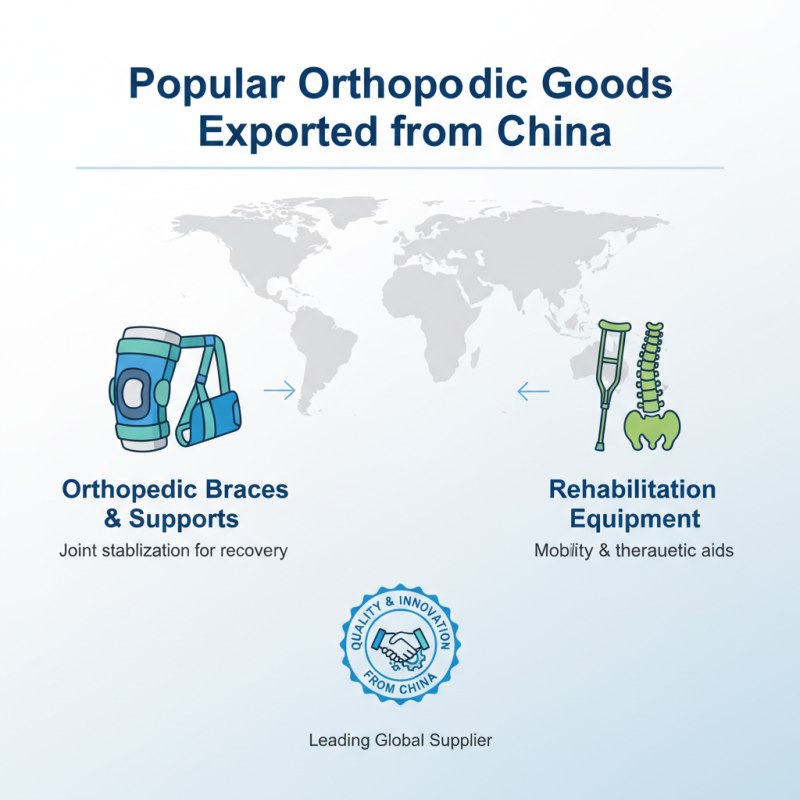
China has emerged as a leading source for orthopedic goods, catering to a global market. Numerous types of products are predominantly exported, reflecting a commitment to quality and innovation. Among these items, orthopedic braces and supports hold significant popularity. They offer stabilization to injured joints, greatly enhancing recovery processes for patients worldwide.
Another noteworthy category includes orthopedic surgical instruments. These tools are crucial for precise operations, ensuring safety and efficacy. Quality control measures are paramount in their production, but inconsistencies sometimes arise. Manufacturers strive for improvement, yet challenges remain. Furthermore, orthopedic footwear is gaining traction. Comfortable and supportive shoes are vital for rehabilitation and daily activities.
Despite the growing demand, some products might not meet the high expectations of buyers. Variation in manufacturing standards across different regions can lead to discrepancies. Potential buyers should conduct thorough inspections. In doing so, they can ensure that the orthopedic goods they source will meet their specific needs. The landscape of orthopedic exports from China continues to evolve, posing both opportunities and hurdles.
Regulatory Standards and Compliance for Chinese Orthopedic Goods
The orthopedic goods market in China is growing rapidly, attracting global buyers. A striking report from Statista shows that China's orthopedic device market is projected to reach $15 billion by 2025. This immense growth creates opportunities but also challenges, especially regarding compliance with regulatory standards.
Chinese manufacturers must adhere to stringent regulations to ensure product safety and effectiveness. The National Medical Products Administration (NMPA) outlines precise guidelines for orthopedic devices. These include quality management systems and clinical evaluation requirements. Yet, many companies still struggle with these standards. According to a survey by MedTech Europe, about 35% of manufacturers reported difficulties meeting international regulations.
Understanding the compliance landscape is crucial. A report by Frost & Sullivan indicates that 20% of orthopedic products fail to obtain necessary certifications due to insufficient documentation. This highlights the need for rigorous quality checks and adherence to regulatory norms. Buyers must seek suppliers who prioritize compliance to mitigate risks linked to product quality and liability.
Trends and Innovations in China's Orthopedic Product Industry
The orthopedic product industry in China is witnessing significant trends and innovations. Advanced manufacturing techniques are enhancing product quality. Automated processes improve precision and reduce errors. This evolution is crucial for implants, braces, and other devices that demand high reliability.
Sustainability is becoming a priority. Many manufacturers are exploring eco-friendly materials. There are ongoing discussions about the long-term impact of plastic in orthopedic goods. This shift reflects a growing awareness of environmental issues. Innovations such as biodegradable materials could reshape the market.
Digital technology plays a vital role in this sector. Telemedicine and remote monitoring are on the rise. These tools provide better patient care and enhance recovery processes. Still, challenges exist in integrating these technologies into traditional practices. Collaboration among stakeholders is essential for successful implementation. The future is promising, but it requires continuous thought and adaptation.
Trends in China's Orthopedic Product Industry