7 Orthopedic Walking Boot Buying Tips for Global Buyers?
Choosing an orthopedic walking boot can feel simple until every detail affects comfort, stability, and recovery. Global buyers face different foot shapes, climates, shipping systems, and product standards. A boot that feels supportive in a showroom may become hot, loose, or painful after several hours. Small details matter.
Foot-and-ankle specialist Dr. Neal Blitz offers a useful reminder: “A shoe should fit your foot, not the other way around.” That principle guides this buying guide. The right orthopedic walking boot should provide controlled support without creating pressure across the toes, heel, or injured area. It should also match the wearer’s medical needs, walking ability, and treatment plan. A tall boot may offer stronger protection, while a shorter design can feel less restrictive. Neither choice is automatically better.
These seven buying tips examine fit, immobilization, sole traction, weight, breathability, adjustability, and after-sales reliability. We will look at practical details, such as measuring both feet, checking liner thickness, and testing buckles with one hand. A few points may seem obvious. They are often missed. That is the uncomfortable part.
Buyers should ask a qualified clinician before selecting a boot for fractures, surgery, severe sprains, or circulation problems. Product descriptions cannot replace professional assessment. Materials, sizing charts, and return policies also deserve careful review, especially when ordering across borders. Even experienced buyers can choose poorly when convenience wins over evidence. A thoughtful purchase protects mobility, reduces avoidable discomfort, and supports safer daily movement.
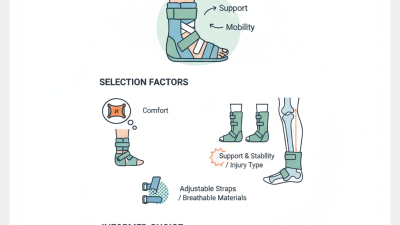
Define the Injury Support and Mobility Requirements
Define the Injury Support and Mobility Requirements
Before comparing an orthopedic walking boot, identify the injury and its current support needs. A mild ankle sprain may require compression and controlled movement. A fracture or post-surgical recovery may require stricter immobilization.
Ask the treating clinician how much weight the user can place on the foot. Do not guess this point.
Check whether the boot supports the ankle, midfoot, or toes. Examine its heel height, sole stiffness, and fastening system. A rocker sole can make each step feel smoother. However, it may feel unstable on wet floors or uneven ground.
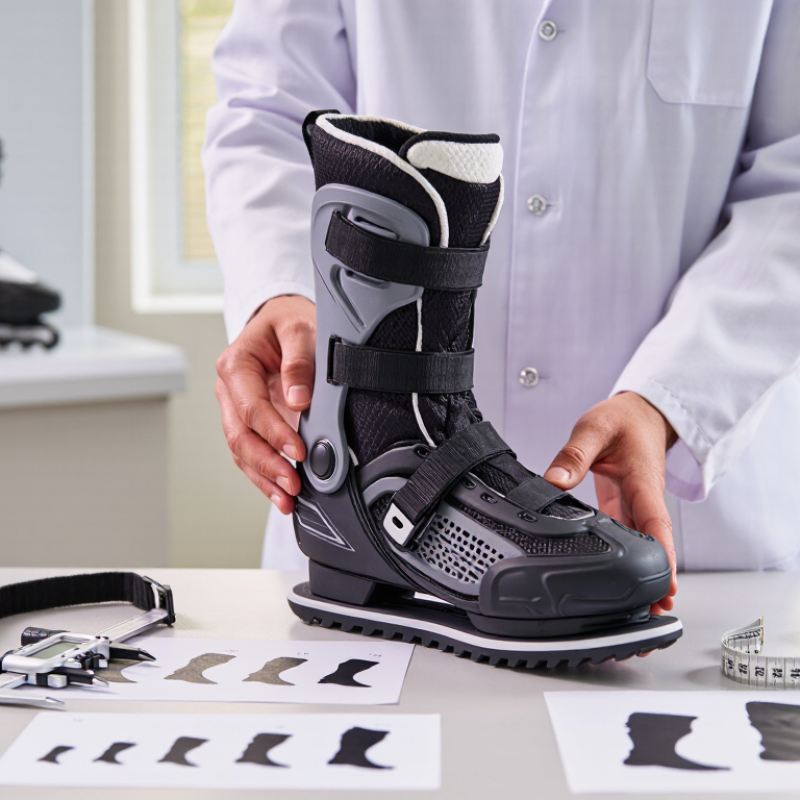
Measure both feet, especially when swelling changes during the day. Leave room for a thick medical sock, but avoid excess movement inside the boot. A loose heel can create rubbing within minutes.
Mobility needs vary across countries and daily routines. A warehouse worker may need stronger protection and durable tread. An older user may value light weight and easy fastening.
Consider stairs, public transport, hot weather, and long walking distances. Check cleaning instructions and replacement parts before purchasing internationally.
Product measurements can be confusing. I have seen buyers trust shoe size alone, and that choice often fails. A fitting review from a qualified professional remains useful, even when the product appears simple.
Pain, numbness, skin color changes, or worsening swelling require prompt medical advice.
Choose the Correct Walking Boot Type and Design
Choosing the correct orthopedic walking boot starts with the injury, not the color or lowest price. A short boot usually suits forefoot or ankle support needs. A tall boot can protect more of the lower leg and reduce unwanted ankle movement. For unstable injuries, a rigid shell may provide better control. Pneumatic support can improve comfort, but only when inflation remains gentle and even.
Measure both feet late in the day, when swelling often increases. Wear the socks used during recovery. Your heel should stay seated while walking. Toes need room, but the foot must not slide forward. Check the sole for a stable tread and a smooth, balanced rocker shape. Uneven sole height can affect the knee, hip, and lower back.
Design details matter for global buyers. Look for adjustable straps, removable liners, washable materials, and clear sizing instructions. Ventilation helps during humid travel. A lighter boot may reduce fatigue, but excessive softness can reduce support. The boot should match the clinician’s movement restrictions and weight-bearing instructions. Do not assume more padding means better protection.
A common mistake is choosing by shoe size alone. Swelling changes fit. Recheck it regularly. Stop using the boot if numbness, cold toes, sharp pressure, or worsening pain appears. Ask a qualified healthcare professional before changing the boot type or walking load. Even experienced buyers can overlook the opposite foot, which may need a height-balancing insert. Perfect fit is difficult. Careful reassessment is essential.
Compare Materials, Durability, and Safety Features
7 Orthopedic Walking Boot Buying Tips for Global Buyers
Compare Materials, Durability, and Safety Features
An orthopedic walking boot should balance support, comfort, and daily durability. Materials decide much of that balance. EVA foam keeps the boot light and cushions each step. A polypropylene shell adds structure but may feel less flexible. Synthetic leather can resist scuffs, while a breathable textile lining helps reduce heat and moisture. Fit is not universal. Measure both feet, then check the manufacturer’s sizing guide carefully.
Durability depends on more than outer material. Inspect the sole bonding, stitching, closure strength, and heel support. A firm outsole should resist bending near the middle, yet allow controlled walking. Deep tread improves grip on wet floors, but tread patterns can collect mud. Weight matters too. A heavy boot may feel secure in a clinic and tiring at home. Ask for abrasion, compression, and slip-resistance test information. Test methods can differ between countries, so compare the actual conditions and standards.
Safety features deserve close attention. Look for adjustable straps, stable heel containment, smooth interior edges, and enough toe clearance. Check whether the sole remains reliable after repeated flexing. A reflective detail may help in low light, but it cannot replace careful walking. Global buyers should verify local medical-device requirements, labeling rules, and user instructions before ordering. Do not trust a glossy specification alone. One weakness remains easy to miss: a durable boot can still cause discomfort when its shape does not match the wearer’s foot.
7 Orthopedic Walking Boot Buying Tips for Global Buyers
Compare boot materials, durability, fit, and safety features before purchasing. The evaluation scores show practical buyer priority on a 1–5 scale, where 5 indicates the feature deserves the greatest attention. Always verify sizing, medical suitability, testing documentation, and regional compliance with the seller or healthcare professional.