What Is Walking Support and Which Type Is Best?

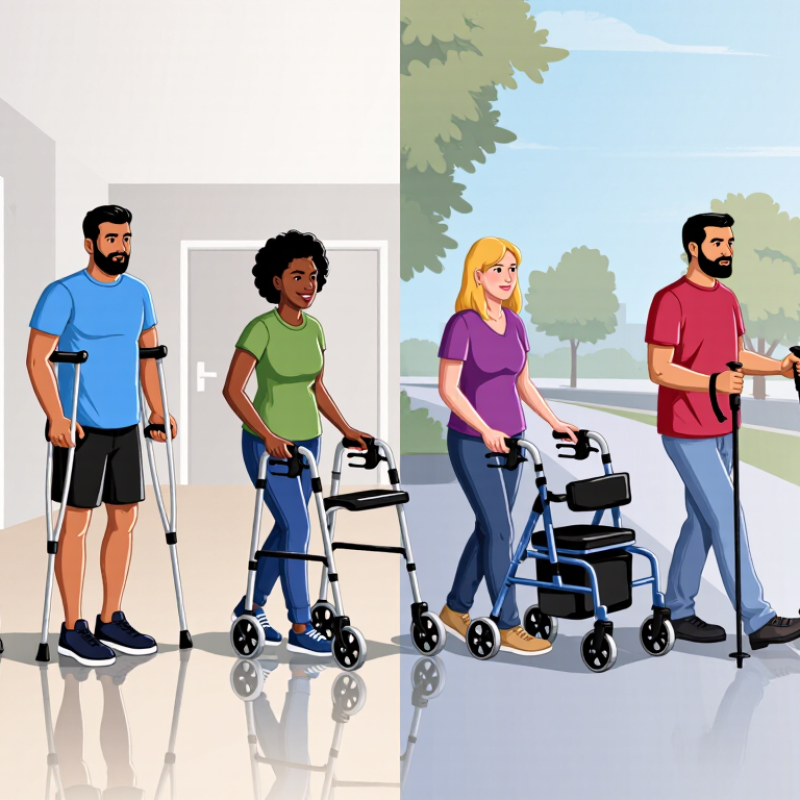
Walking support can turn a hesitant step into a steadier routine. It may include canes, crutches, walkers, rollators, or specialized walking poles. Each option serves a different need. A cane may help with mild balance concerns. A walker can offer broader stability. A rollator may suit someone who needs support and occasional rest.

The “best” choice is rarely universal. It depends on strength, coordination, pain, walking distance, and the environment. A narrow hallway creates different challenges than a crowded pavement. Shoe type matters too. So does the device’s height. Small fitting errors can strain the wrist, shoulder, or back.

Balance researcher Dr. Fay B. Horak described balance as “the ability to keep your body’s center of mass over its base of support.” Her observation explains why device fit and technique matter. Support should improve movement, not simply add weight to the hands.

A qualified physiotherapist or occupational therapist can assess gait, posture, and daily tasks. They can also check whether the user lifts, pushes, or advances the device correctly. That practical review is often more useful than choosing by appearance.

There is no perfect answer.

A reliable guide should admit that people adapt differently. Some users feel confident with a cane but unsafe with a walker. Others need a rollator outdoors and no support indoors. This article will compare the main types of walking support, explain their strengths and limits, and show how professional fitting can improve comfort, confidence, and safer everyday movement.
What Is Walking Support and Which Type Is Best?

Definition and Purpose of Walking Support

Walking support means any aid that helps a person move safely and confidently. It may include a cane, crutches, a walker, handrails, or supervised assistance. Its purpose is practical: improve balance, reduce weight on a painful limb, and preserve independence during daily movement. It is not simply a fall-prevention product. The right support should match strength, coordination, walking distance, and the environment. The World Health Organization reports that falls cause about 684,000 fatal injuries worldwide each year. Adults over 60 face the greatest risk of fatal falls. The CDC also reports that more than one in four older adults falls annually in the United States.

There is no universally best device. A cane may suit mild balance problems, while a walker can offer greater stability after illness or surgery. Crutches may reduce pressure on one leg, but they require stronger arms and better coordination. In practice, fitting matters as much as device selection. An incorrectly adjusted handle can strain the wrist or encourage poor posture. That detail is easy to overlook. The evidence is helpful, but it is not perfect for every body or home setting. A physiotherapist or trained clinician should assess gait, footwear, stairs, and turning ability before recommending support.
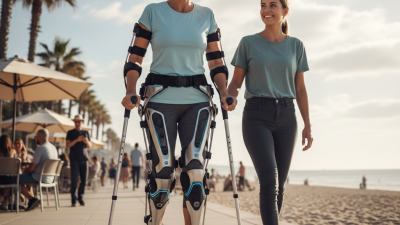

Tips: Keep the device close, but do not lean heavily on it. Check rubber tips for wear. Practice turning slowly. Reassess the device after pain, weakness, or balance changes. A support that worked last year may be unsuitable today.

Common Types of Walking Support Devices

What Is Walking Support and Which Type Is Best?

Common Types of Walking Support Devices

Walking support devices help people move safely after injury, during recovery, or with long-term balance problems. The best choice depends on strength, coordination, pain, and daily surroundings. A healthcare professional should assess these factors before use. Fit matters.

A cane offers light support for one-sided weakness or mild balance concerns. It should usually be held opposite the weaker leg. Crutches provide stronger support, but they require good arm strength and careful instruction. Poorly adjusted crutches may cause wrist, shoulder, or underarm discomfort. Small details matter.

A standard walker gives four stable contact points and suits people needing substantial balance assistance. A wheeled walker moves more easily, while a rollator often includes a seat and hand brakes. These features can help outdoors, but they may encourage unsafe speed. A transport chair supports mobility when walking becomes too tiring, although it does not replace walking practice when walking remains safe. No device is perfect. I once underestimated how difficult a doorway could feel with a wide walker. Home layout matters too. Loose rugs, wet floors, and crowded hallways can change which device is genuinely practical. A therapist can check walking technique, height, turning, and safe use on stairs. Reevaluation is important when strength, pain, or confidence changes.

How to Choose the Right Walking Support

What Is Walking Support and Which Type Is Best?

How to Choose the Right Walking Support

Walking support includes canes, crutches, walkers, and wheeled rollators. The right choice depends on balance, strength, pain, and daily surroundings. A cane may help with mild weakness on one side. It needs to stay opposite the weaker leg. A standard walker offers more stability but moves slowly. A rollator is easier for longer distances, though its wheels can move unexpectedly.

Fit matters. Stand upright and let your arms relax beside your body. The handle should usually meet the crease of your wrist. Your elbow should bend slightly when holding it. A physical therapist can check this position and watch how you turn, sit, and step over thresholds. That assessment is more reliable than choosing by appearance. Ask for help.

Think about real routines. Do you climb stairs, carry groceries, or walk across wet pavement? Crutches may suit short-term injuries, but they require arm strength and careful instruction. A walker may work better indoors, especially near a kitchen counter or narrow doorway. Uneven floors matter. So does storage.

I once underestimated how tiring a poorly adjusted support could feel after only ten minutes. The device was not necessarily wrong; the height and walking pattern were. This is worth reconsidering. Practice on a clear, dry surface, follow professional guidance, and inspect rubber tips or wheels regularly. Stop if you develop new pain, numbness, dizziness, or repeated loss of balance.

Proper Use and Safe Walking Techniques

What Is Walking Support and Which Type Is Best?

Walking support includes canes, crutches, walkers, and handrails. The right choice depends on balance, strength, pain, and walking distance. A cane may help mild weakness on one side. A walker offers wider support but demands more space and careful turning. A physiotherapist should assess the height and fit. An aid that feels comfortable may still be unsafe.

Proper use matters more than appearance. Keep the support close to your body. Move it a short distance before stepping forward. With a cane, hold it opposite the weaker leg. Step with the weaker leg first, then bring the stronger leg forward. With a walker, place all four legs firmly before moving. Do not pull up on it to stand. Use a stable chair instead.

Slow down near rugs, wet floors, doorways, and stairs. Wear shoes with secure heels and non-slip soles. The U.S. Centers for Disease Control and Prevention reports that more than 14 million older adults fall each year, roughly one in four. The World Health Organization also estimates about 684,000 fatal falls worldwide annually. These figures make small habits important. I have noticed that people often rush when they feel unsteady. That instinct can defeat the support itself. Practice turning in small steps, not by twisting suddenly. Ask a qualified professional to review your technique, especially after a fall or hospital stay. Even experienced users sometimes place the aid too far ahead.

What Is Walking Support and Which Type Is Best? - Proper Use and Safe Walking Techniques

Walking Support Best Suited For Typical Stability Weight-Bearing Guidance Correct Use Main Safety Considerations
Single-Point Cane Mild balance problems or weakness on one side Low to moderate Provides light support; it is not intended to carry full body weight unless specifically prescribed Hold it in the hand opposite the weaker or painful leg. Move the cane and affected leg forward together, then step through with the stronger leg Keep the tip fully in contact with the floor. Replace worn or damaged rubber tips and avoid slippery surfaces
Quad Cane People needing more stability than a single-point cane can provide Moderate Offers a wider base of support but should not be used for unrestricted weight bearing without professional advice Place all four tips flat before transferring weight. Move it a short distance forward, then step carefully The larger base may catch on doorways or uneven flooring. Ensure the handle height allows a slightly bent elbow
Standard Walker Significant balance impairment or weakness requiring a broad support base High Can accept substantial arm support, but the permitted amount depends on the person’s condition and clinical instructions Lift or advance the walker a short distance, place all legs firmly, then step into the frame. Do not walk too far behind it Do not pull up on the walker to stand. Check that all legs are adjusted evenly and that the rubber tips are secure
Two-Wheeled Walker People who need walker-level stability but find lifting a standard walker difficult High Usually provides strong support, but the user must follow prescribed weight-bearing limits Push it forward a short distance, keep the rear tips on the floor, and step toward the frame without rushing The wheels should roll smoothly and remain aligned. Avoid pushing the device too far ahead of the body
Four-Wheeled Rollator People who need balance assistance and smoother movement, often with limited endurance Moderate to high while moving; less stable when used as a stationary support Generally designed for balance support, not for heavy weight bearing or lifting the body Walk upright inside the frame, keep both hands on the handles, and use the brakes before sitting or standing Always lock the brakes before using the seat. Do not sit while the rollator is moving or use it on steep slopes without guidance
Axillary Crutches Temporary injuries or surgery when one or both legs require reduced weight bearing Moderate to high, depending on technique and strength Can support partial or no weight on a leg when prescribed; the armpits should not bear body weight Keep the top of each crutch slightly below the armpit, press through the handgrips, and follow the prescribed gait pattern Poor fit can cause nerve pressure or loss of balance. Keep crutch tips dry and inspect them regularly
Forearm Crutches Longer-term mobility support for users with adequate arm, hand, and trunk control Moderate to high May support partial or full unloading of a leg depending on clinical instructions and user ability Place the cuff below the elbow, maintain a controlled grip, and use the gait pattern taught by a rehabilitation professional Requires more coordination and upper-body strength than a walker. Avoid sudden turns and wet flooring
No Device People with safe balance, adequate strength, and no meaningful gait limitation Depends on the individual Normal weight bearing may be appropriate only when medically permitted and walking is stable Use a natural pace, keep the head up, and scan the walking path for hazards A support device may still be needed outdoors, on stairs, during fatigue, or after a change in health
General selection and safety rules: The best walking support depends on balance, leg strength, coordination, pain, endurance, home layout, and prescribed weight-bearing limits. A physical therapist or other qualified healthcare professional should assess the fit and teach the correct gait pattern. Keep pathways clear, wear supportive non-slip footwear, turn slowly, and stop using a device that is damaged or unstable.

Maintenance, Risks, and When to Seek Professional Advice

What Is Walking Support and Which Type Is Best?

Walking supports, such as canes, crutches, and walkers, need regular maintenance. Check the rubber tips before each use. Replace them when they look smooth, cracked, or uneven. Tighten loose screws and handles. Wipe the frame clean, then dry it fully. Moisture can make grips slippery and metal parts corrode.

Fit matters more than appearance. A support set too high may raise your shoulder. A low one can force you to bend forward. Both problems may increase strain and reduce balance. A physical therapist or qualified clinician can check height, grip, and walking technique. I have noticed that people often practice only on clear floors. That is not enough. Try safe, supervised practice near door thresholds, gentle slopes, and turning points.

Walking aids also create risks when used incorrectly. Do not hang heavy bags from a walker unless it has a secure, suitable basket. Avoid wet tiles, loose rugs, and poorly lit steps. Seek professional advice after a fall, new pain, numbness, dizziness, or repeated loss of balance. Sudden weakness or inability to bear weight needs urgent medical assessment. Do not simply adjust the aid and continue. A support can hide a changing health problem. Even experienced users sometimes ignore small warning signs. That hesitation deserves attention.

In observance of the 4th of July holiday, our offices will be closed on July 3rd & 4th.