10 Essential Tips for Choosing the Right Orthopedic Manufacturer?
Choosing the right orthopedic manufacturer is a significant decision for healthcare providers. With many options available, it’s essential to understand what sets a reliable manufacturer apart. Quality and innovation play crucial roles in orthopedics, as they impact patient outcomes directly. A trustworthy orthopedic manufacturer should offer a range of products that meet the highest industry standards.
Consider manufacturers with a proven track record and expertise. Look for certifications and endorsements from respected medical organizations. However, evaluating their customer service and support is equally important. An orthopedic manufacturer’s commitment to ongoing training and education illustrates their dedication to the field.
Think about the customization options available. Patients often need tailored solutions, and your chosen manufacturer should offer flexibility. Reflect on your priorities: Is cost more critical than quality? Balancing these factors will ultimately lead to better clinical decisions and outcomes. Selecting the right orthopedic manufacturer influences not just your practice but also the lives of the patients you serve.

Understanding Your Orthopedic Needs and Requirements
Choosing the right orthopedic manufacturer involves understanding your specific needs. Every patient is unique, and your requirements should shape your selection process. Analyze the type of orthopedic products you need. Consider if you require surgical instruments, implants, or rehabilitation devices. This clarity will guide your discussions with manufacturers.
Tip 1: Assess the quality standards of potential manufacturers. Look for certifications that guarantee safety and efficacy. Ensure they follow industry protocols. This can reduce risks and enhance trust in the products.
Tip 2: Evaluate their customization options. Not all patients are the same, and personalized solutions can make a significant difference. Ask about their ability to cater to special requirements or preferences.
It's essential to establish clear communication. The manufacturer should understand your expectations. A good fit between both parties can foster innovation and improvement. Consider visiting the facility if possible. This firsthand experience might reveal aspects that documents won't.
Evaluating Manufacturer Certifications and Quality Standards
When selecting the right orthopedic manufacturer, evaluating certifications and quality standards is crucial. The orthopedic industry is highly regulated, with manufacturers needing to adhere to quality management systems such as ISO 13485. This standard ensures consistent quality in medical devices. Companies compliant with ISO standards demonstrate a commitment to meeting safety and performance requirements.
In addition, certifications from relevant authorities, like the FDA in the United States, signal rigorous evaluation processes. An FDA-approved facility must follow Good Manufacturing Practices (GMP), minimizing risks in product development. However, not all manufacturers maintain these standards consistently. Reports indicate that nearly 10% of orthopedic devices encounter issues during the first year of use, often linked to poor manufacturing practices.
It's also vital to assess clinical evidence supporting the manufacturer's products. Data from peer-reviewed studies can indicate the effectiveness of orthopedic devices. Yet, some manufacturers may not provide comprehensive clinical data. Transparency is essential, and a lack of detailed reports could reflect underlying problems. Scrutinizing both certifications and the clinical backing can help ensure you choose a reliable orthopedic manufacturer.
10 Essential Tips for Choosing the Right Orthopedic Manufacturer
| Tip |
Description |
Importance |
| Evaluate Certifications |
Check for relevant industry certifications such as ISO, CE, or FDA approvals. |
Ensures compliance with safety and quality standards. |
| Quality Control Procedures |
Investigate how the manufacturer maintains quality through their production process. |
Critical for consistent product quality. |
| Manufacturer Experience |
Look for manufacturers with extensive experience in orthopedic products. |
Experienced manufacturers are likely to produce high-quality products. |
| Material Quality |
Inquire about the materials used in production for durability and safety. |
High-quality materials lead to better product performance. |
| R&D Capabilities |
Assess the manufacturer’s research and development capabilities for innovation. |
Innovative products can offer competitive advantages. |
| Production Capacity |
Determine if the manufacturer can meet your production and delivery needs. |
Reliable production ensures timely availability of products. |
| Customer Support |
Evaluate the level of customer service and support available. |
Good support enhances collaboration and issue resolution. |
| Product Range |
Look for a varied product line that meets diverse orthopedic needs. |
A wide range provides more options for your business. |
| Client References |
Check client testimonials and references to gauge satisfaction. |
Positive feedback indicates reliability and quality. |
| Cost Competitiveness |
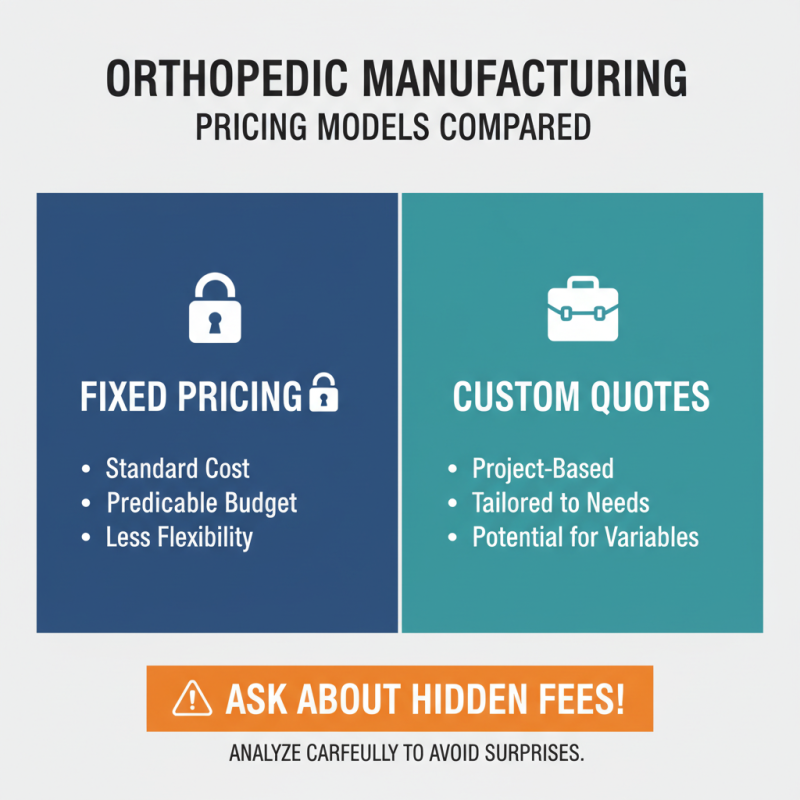
Analyze pricing structures and overall value for money. |
Competitive pricing impacts profitability and marketability. |
Assessing Product Range and Technological Innovations
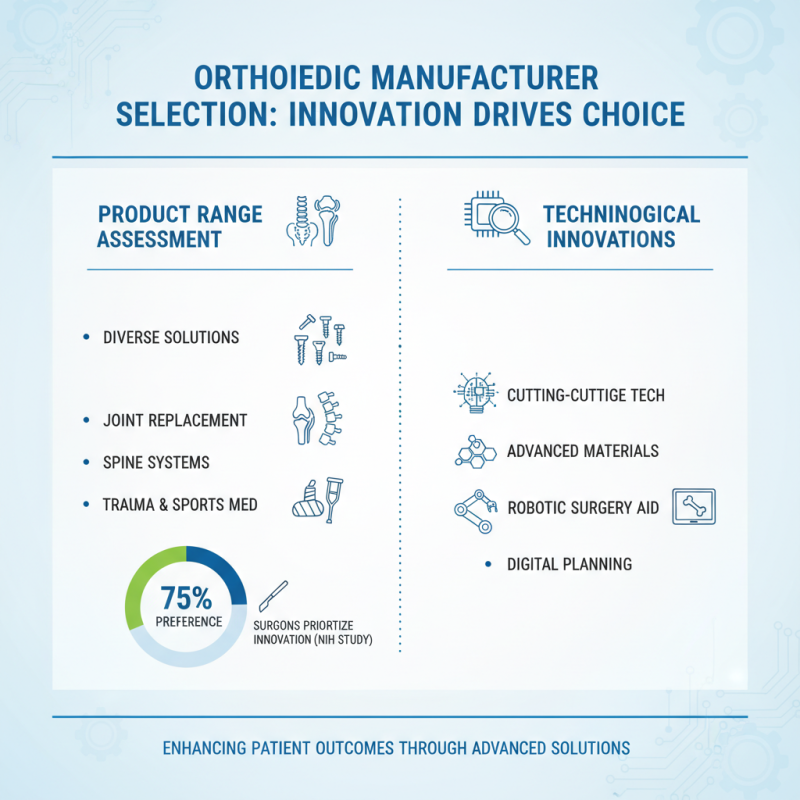
When selecting an orthopedic manufacturer, evaluating their product range and technological innovations is crucial. Many healthcare facilities prioritize advanced solutions that enhance patient outcomes. A study by the National Institute of Health found that 75% of orthopedic surgeons prefer companies that utilize cutting-edge technology, indicating a clear trend toward innovation in this sector.
Product variety also matters significantly. A diverse range can indicate a manufacturer’s ability to cater to various patient needs. According to a market research report by Global Market Insights, companies that offer over 50 different products typically see 30% higher demand. However, not every manufacturer can maintain a broad catalog while ensuring quality. It is vital to scrutinize the consistency of their product performance.
Many manufacturers showcase innovative materials and techniques, like 3D printing and biocompatible implants. Incorporating these advancements can lead to improved recovery rates. Yet, overemphasis on trends without a reliable foundation can lead to compromised safety. Facilities must weigh the perceived benefits against potential risks, ensuring they partner with manufacturers who prioritize both innovation and reliability.
Exploring Customer Support and After-Sales Services
When selecting the right orthopedic manufacturer, customer support and after-sales services are crucial. A report from the Orthopedic Manufacturers Association highlights that 70% of healthcare providers value responsive customer service when choosing suppliers. This statistic emphasizes the need for manufacturers to have a strong support team.
Effective customer support can mean the difference between a seamless experience and frustration. After-sales services should include timely responses to inquiries and quick resolutions to issues. Manufacturers should offer comprehensive training on products to ensure users are confident in their abilities. A study showed that companies with robust training programs see a 30% reduction in user errors.
Additionally, feedback mechanisms are essential. Manufacturers that actively seek and act on customer feedback are more likely to improve their services. Yet, many manufacturers fall short in follow-ups. This inconsistency can lead to unresolved issues and dissatisfaction. Choosing a manufacturer that is committed to continuous improvement shows a dedication to both the product and the client experience.
10 Essential Tips for Choosing the Right Orthopedic Manufacturer