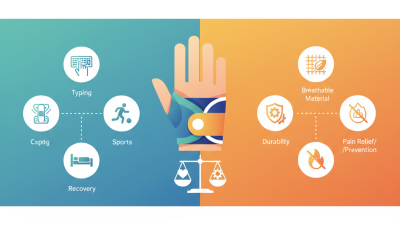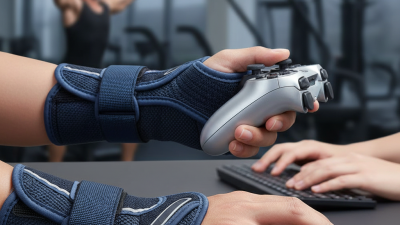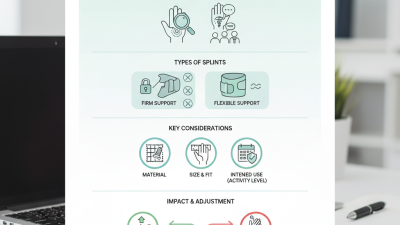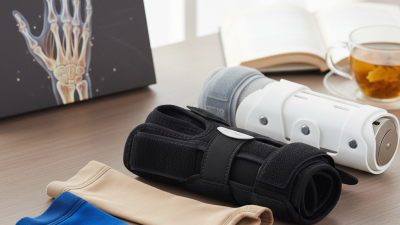
Choosing a wrist compression support in 2026 requires more than picking the tightest sleeve. Your wrist may need stability, warmth, swelling control, or gentle pressure during repeated movement. Those needs are different. A support that helps typing may restrict lifting. One that feels secure may leave numb fingertips by lunchtime.
Hand and wrist surgeon Dr. Jeffrey E. Budoff offers a useful clinical principle: “Support should reduce strain without creating new pressure.” This idea should guide every purchase. Look for breathable fabric, smooth seams, adjustable compression, and a thumb opening that does not rub. Measure your wrist carefully. Small sizing errors can create painful edges around the palm.
Your symptoms matter, too. Mild soreness after computer work is not the same as persistent swelling, weakness, or night pain. A wrist compression support may improve comfort, but it cannot identify the underlying cause. Stop using it if tingling, discoloration, or increasing pain appears. Seek professional advice when symptoms continue.
The best choice is rarely obvious. Materials behave differently after several hours, especially in warm conditions. Some supports become loose after washing. Others feel comfortable but offer little meaningful compression. I have found that comfort encourages consistent use, yet comfort alone is not proof of effectiveness. This guide compares support levels, construction, fit, activity demands, and care requirements. It also questions popular claims, because a fashionable design is not automatically a reliable one.
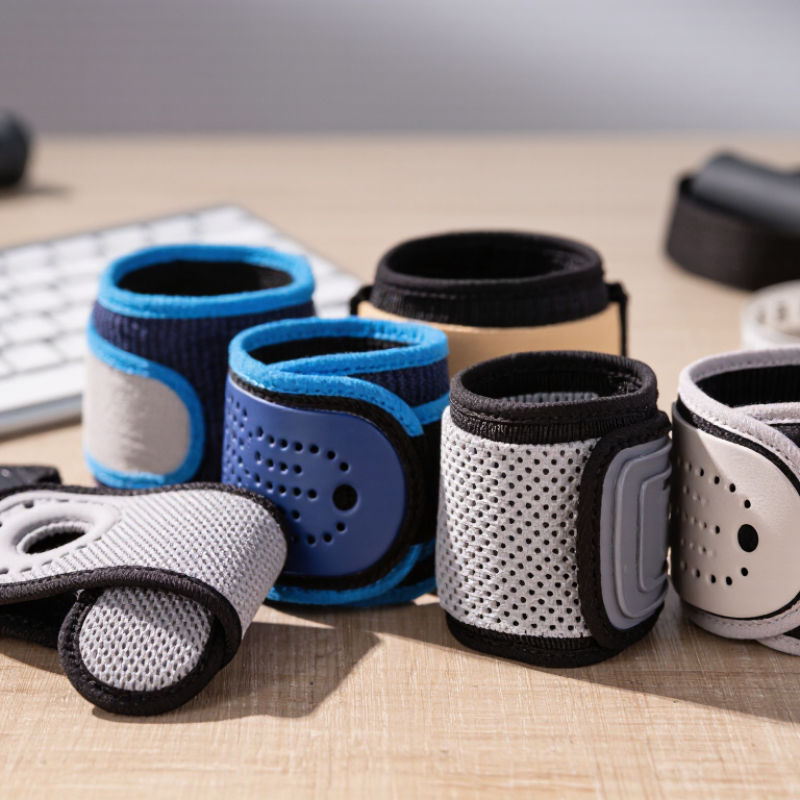
How to Choose Wrist Compression Supports in 2026?
Wrist compression supports are sleeves, wraps, or gloves that apply gentle pressure around the wrist. They can reduce mild swelling and improve body awareness during movement. The pressure may also provide warmth, which can make stiff joints feel more comfortable. However, a support does not repair damaged tissue or replace medical treatment. Its effect depends on fit, material, activity, and the cause of discomfort.
A well-fitted support should feel secure, not restrictive. Your fingers should remain warm, mobile, and normally colored. If you notice numbness, tingling, throbbing, or increased pain, remove it immediately. In practical fitting, people often choose excessive compression because it feels “more supportive.” That assumption can be wrong. A support that digs into the skin may interfere with circulation and hand function. I would also question any product claiming to cure arthritis or prevent every wrist injury. Reliable guidance should explain limits clearly.
Tips: Measure your wrist according to the seller’s instructions, then check the fit after ten minutes. Choose breathable fabric for long wear and adjustable closures for changing swelling. Use lighter compression during typing and stronger support only when clinically appropriate. Keep the wrist in a neutral position. It matters. If swelling follows an injury, lasts several days, or includes weakness, seek assessment from a qualified healthcare professional.
| Support Type | How It Works | Typical Uses | Wrist Movement | Compression Level | Key Selection Criteria | Important Considerations |
|---|---|---|---|---|---|---|
| Light Compression Sleeve | Applies gentle, evenly distributed pressure around the wrist and lower forearm. The pressure may improve comfort and proprioceptive awareness, but it does not mechanically immobilize the joint. | Everyday support, mild soreness after activity, typing-related discomfort, and light exercise. | High freedom of movement | Low | Breathable fabric, flat seams, moisture management, and a close fit without constriction. | Useful for comfort rather than strong stabilization. It should not be relied on to treat a fracture, major sprain, or persistent nerve symptoms. |
| Moderate Compression Wrist Wrap | Combines adjustable compression with circumferential support. The wrap can help limit excessive swelling and provide a more secure feeling during movement. | Exercise, repetitive wrist activity, mild strains, and temporary post-activity support. | Moderate freedom of movement | Low to moderate | Adjustable closure, pressure control, non-slip construction, and a wrap position that does not press directly over sensitive nerves. | Do not tighten enough to cause numbness, tingling, color change, coldness, or increased pain. |
| Elastic Wrist Stabilizer | Uses elastic compression together with a structured panel or crossing straps to reduce unwanted wrist motion while retaining some flexibility. | Mild instability, repetitive-load activities, and support during recovery when a clinician has not prescribed rigid immobilization. | Moderate | Moderate | Supportive structure, adjustable tension, comfortable thumb opening, and a shape that matches the wrist without creating pressure points. | Fit should be checked during activity because swelling and hand position can change pressure across the wrist. |
| Wrist Brace with Palmar Splint | Uses compression plus a rigid or semi-rigid splint along the palm-side of the wrist to restrict bending, especially excessive wrist extension or flexion. | Carpal tunnel symptom management at night, tendon irritation, and selected wrist injuries when immobilization is appropriate. | Limited | Moderate to high | Splint alignment, neutral-wrist positioning, removable support, padding, and compatibility with sleeping or daily tasks. | A neutral wrist position is generally preferred for reducing prolonged bending. Persistent numbness, weakness, or dropping objects requires medical assessment. |
| Thumb-Spica Wrist Support | Extends support from the wrist around the thumb to limit thumb movement and reduce motion at the thumb-side wrist. | Thumb-base arthritis, selected thumb tendon irritation, and injuries involving the thumb-side wrist. | Wrist and thumb movement limited | Moderate to high | Correct thumb length, comfortable web-space padding, stable wrist support, and sufficient finger mobility for daily tasks. | Thumb-side pain can have several causes. A support should not replace evaluation after trauma or when pain is severe or worsening. |
| Rigid Immobilization Brace | Uses firm materials to restrict wrist motion substantially and protect the joint from movement that may aggravate an injury. | Suspected fracture, significant sprain, postoperative protection, or other conditions requiring clinician-directed immobilization. | Very limited | Variable; stabilization-focused | Medical guidance, correct size, secure but nonrestrictive straps, and adequate room for swelling. | Not ideal for unrestricted exercise or prolonged self-directed use. Suspected fractures and major injuries should receive prompt professional evaluation. |
| Open-Finger Compression Glove with Wrist Panel | Provides compression across the hand and wrist while leaving the fingertips exposed for grip and tactile feedback. | Hand and wrist stiffness, mild swelling, arthritis-related comfort, and activities requiring exposed fingertips. | High to moderate, depending on the wrist panel | Low to moderate | Accurate hand and wrist measurements, graduated comfort, easy finger motion, and fabric that does not bunch at the palm. | Compression should be even and comfortable. Avoid use over open wounds unless specifically advised by a healthcare professional. |
| Post-Activity Recovery Sleeve | Provides gentle compression and warmth that may improve perceived comfort after repetitive or strenuous activity; it does not repair tissue damage. | Short-term comfort after sports, manual work, or prolonged computer use. | High freedom of movement | Low | Breathability, smooth interior, stable fit, and easy removal when symptoms change. | Evidence for compression garments is stronger for comfort and swelling management than for speeding tissue healing. Pain that persists should be assessed. |
| Custom or Clinician-Fitted Orthosis | Is shaped for the individual hand and wrist to provide targeted positioning, protection, or controlled movement based on a specific diagnosis. | Complex injuries, neurological conditions, postoperative care, and symptoms that do not improve with an off-the-shelf support. | Clinically prescribed | Clinically prescribed | Professional assessment, diagnosis-specific design, skin protection, and scheduled fit reviews. | Best suited to situations where standard compression supports are insufficient or cause discomfort. Follow the fitting and wear instructions provided by the clinician. |
General safety note: A wrist support should feel secure but not painful. Remove it and seek medical advice if numbness, tingling, unusual swelling, skin damage, weakness, discoloration, or worsening pain occurs. After a fall or direct impact, severe pain, deformity, or inability to move the wrist may indicate a serious injury.