How to Choose the Right Wrist Protection for Work?

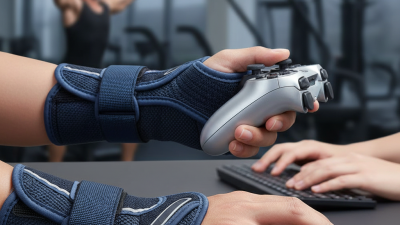
Choosing the right wrist protection starts with the task, not the product label. A warehouse picker may need support during repetitive lifting, while a mechanic may need impact resistance, flexibility, and grip. A cashier or keyboard operator may need a different solution entirely. No glove is magic. Protection should reduce exposure without restricting natural movement.

The Liberty Mutual Workplace Safety Index 2024 estimated that overexertion injuries cost U.S. employers about $13.8 billion in direct costs during 2022. The U.S. Bureau of Labor Statistics also continues to identify sprains, strains, and tears as major workplace injury categories. These figures show why wrist protection deserves more than a quick purchasing decision. Dr. David Rempel, an occupational ergonomics expert, has repeatedly emphasized a practical principle: “Keep the wrist neutral, reduce force, and vary the task.” That advice matters when a worker grips a vibrating drill, lifts a carton, or uses a box cutter for several hours.

Fit, material, closure, breathability, and task-specific protection all deserve attention. A rigid brace may help during selected high-risk activities, but it can hinder movement when worn unnecessarily. A flexible glove may improve comfort, yet offer limited support under heavy load. That trade-off is easy to overlook. The best choice combines worker experience, ergonomic assessment, manufacturer specifications, and real-world testing. Check the wrist angle. Test the grip. Ask whether the worker can still perform the job safely. Small details often decide whether wrist protection supports prevention or simply creates another problem.

How to Choose the Right Wrist Protection for Work?

Identify the Wrist Protection Needs of Your Job

How to Choose the Right Wrist Protection for Work?

Start with the task. A cashier, mechanic, warehouse worker, and laboratory technician face different wrist stresses. Identify repeated movements, gripping force, awkward angles, vibration, and contact with sharp or rough surfaces. Note when discomfort appears, such as during lifting, scanning, drilling, or typing. A short observation at the workstation can reveal more than a general job description.

For repetitive work, choose support that stabilizes the wrist without restricting normal finger movement. Workers using vibrating tools may need protection designed to reduce vibration exposure, while handling tasks may require impact or abrasion resistance. Check the product’s size, closure, breathability, and cleaning instructions. Fit matters. A loose support can slide, and an overly tight one may increase pressure or numbness. Never treat wrist protection as a substitute for better tools, regular pauses, or improved workstation height.

Comfort should be tested during real duties, not only in a fitting room. Ask workers whether they can grip, rotate, and release objects naturally. Watch for redness, tingling, swelling, or reduced control. Stop using the item if these signs continue, and seek advice from an occupational health professional. I once underestimated heat buildup when assessing protective gear; the design looked suitable, but workers removed it after an hour. That mistake showed why field feedback matters. The best choice may need revision after actual use.


Assess the Main Risks to Your Wrists and Hands

How to Choose the Right Wrist Protection for Work?

Assess the main risks before choosing wrist or hand protection. A warehouse worker may face impact, sharp edges, abrasion, or crushed fingers. A technician may handle vibration, oils, solvents, or small hot parts. Repetitive gripping creates a different risk. It can strain tendons even when no accident occurs. Moisture also matters. Wet skin softens and becomes easier to damage.

Watch the task closely. Does the wrist bend repeatedly? Does a tool pull the hand sideways? Is the worker reaching through a narrow space? These details often reveal risks that a general checklist misses. A protective glove should match the hazard, not merely feel thick. Check tested protection levels, care instructions, and chemical safety information before use. For vibration, the glove alone may not solve the problem. Tool maintenance, breaks, and reduced exposure remain important controls.

Fit deserves careful attention. Loose material can catch on moving equipment, while tight cuffs may restrict circulation. Try the protection with the actual tool. Can the worker grip, release, and feel a small object? If not, the design may create a new hazard. I have seen protection selected correctly on paper but rejected during real work. That failure deserves review, not blame. Replace damaged protection promptly. Numbness, persistent pain, swelling, or reduced movement should not be ignored; stop the task and seek qualified medical advice.

Compare Different Types of Wrist Supports and Guards

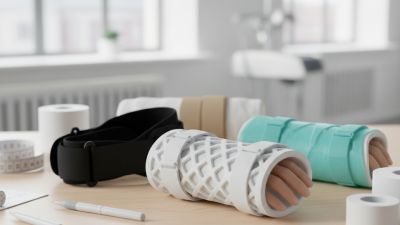
Choosing wrist protection starts with the task, not the appearance of the support. A soft compression sleeve offers light pressure and warmth during typing, packing, or repeated lifting. It allows better movement than a rigid guard. However, it may provide limited protection against sudden bending or impact. Measure your wrist carefully, because loose fabric can slide during a busy shift.

A wrist splint uses firmer panels to limit bending. It can help when a job requires repeated gripping and the wrist needs more stability. A protective guard with a padded outer surface suits tasks involving contact with tools, edges, or hard materials. Some designs include thumb support, which may help when lifting boxes or using hand tools. The trade-off is reduced flexibility. Small movements matter.

I once selected a very rigid support for a short repair task. My wrist felt secure, but my fingers tired quickly because I overcompensated. That experience changed my fitting routine. I now bend, grip, and rotate the wrist before starting work. The support should feel snug, never numb or painfully tight. Check for rubbing near the thumb and palm after thirty minutes. If tingling, swelling, or persistent pain appears, stop using it and seek advice from a qualified healthcare professional. A support can reduce strain, but it cannot correct unsafe lifting technique, poor tool design, or excessive workload. That part is easy to overlook.

How to Choose the Right Wrist Protection for Work? – Compare Different Types of Wrist Supports and Guards

Protection Type Main Function Typical Construction Support or Protection Level Mobility Suitable Work Tasks Important Limitations
Compression Wrist Sleeve Provides light compression and helps keep the wrist warm. Stretch textile such as nylon, polyester, or elastane; usually without a rigid insert. Light support; minimal impact, cut, or puncture protection. Very high. General handling, light assembly, keyboard and mouse work, and tasks requiring frequent wrist movement. Does not immobilize the wrist or protect against sharp edges, heavy impact, or machinery hazards.
Elastic Wrist Support with Adjustable Strap Offers adjustable compression and moderate joint support. Elastic fabric with a hook-and-loop strap; may include a soft palm or wrist pad. Light to moderate support; not designed as impact-resistant PPE. High, provided it is not tightened excessively. Repetitive handling, packing, picking, and moderate manual work. Incorrect tension can restrict circulation or hand movement; it may snag near rotating equipment.
Wrist Brace with Removable Metal or Plastic Stay Limits excessive bending and helps maintain a more neutral wrist position. Textile brace with a removable or fixed rigid stay along the palm or back of the wrist. Moderate to high positional support; limited protection from external impact. Moderate to low, depending on the stay design. Tasks involving repeated force, tool use, or wrist positions that need additional stabilization. May reduce dexterity and should not be used where restricted movement could create a machinery or handling hazard.
Thumb-and-Wrist Stabilizer Supports the wrist while also limiting thumb movement. Fabric or neoprene body with thumb opening, straps, and sometimes a rigid stay. Moderate support for the wrist and thumb; generally not a cut or impact guard. Moderate. Work requiring additional thumb control, such as selected assembly or tool-handling activities. Can interfere with gripping, fine manipulation, and glove fit; check compatibility before use.
Impact-Resistant Wrist or Forearm Guard Helps shield the wrist and lower forearm from incidental knocks and contact with hard surfaces. Padded textile, molded polymer, or external protective panels with adjustable straps. Moderate impact protection when the product has been tested and selected for the specific hazard. Moderate; bulky panels can limit wrist flexion. Construction, material handling, maintenance, and work near edges or hard structures. Impact protection is not the same as crush protection; verify test information and coverage before purchase.
Cut-Resistant Wrist or Forearm Sleeve Reduces the likelihood of injury from contact with sharp edges when the sleeve is designed and tested for that hazard. High-performance fibers or engineered textile blends; may extend from the hand or wrist toward the forearm. Cut resistance varies by product; use the manufacturer’s verified test rating rather than appearance alone. High to moderate. Sheet-metal handling, glass handling, food processing, and work with sharp components. Does not automatically provide puncture, heat, chemical, or laceration protection; exposed skin may remain unprotected.
Puncture- or Abrasion-Resistant Wrist Guard Adds a protective layer against selected abrasive surfaces or pointed hazards. Dense woven fabric, coated textile, padded panels, or layered protective materials. Protection depends strongly on the verified test method, coverage, and construction. Moderate. Demolition, recycling, rough-material handling, and work around abrasive or pointed surfaces. No single material protects against every puncture or abrasion hazard; inspect regularly for wear and damage.
Welding or Heat-Resistant Gauntlet with Extended Cuff Protects the hand, wrist, and part of the forearm from heat, sparks, and selected contact hazards. Leather or heat-resistant materials with a long cuff; may include lining and reinforced areas. High thermal protection when correctly tested for the application; usually limited joint support. Moderate to low. Welding, hot-work operations, foundry work, and handling heated materials. May reduce dexterity; heat resistance does not necessarily mean electrical, chemical, or cut resistance.
Ergonomic Wrist Rest or Workstation Support Supports the palm or forearm during seated computer work and encourages a neutral working position. Foam, gel, or padded surface placed beside a keyboard or mouse. Ergonomic support only; no physical protection from impact, cuts, heat, or chemicals. Very high during desk work. Office, control-room, and other stationary computer-based work. Should not be used as personal protective equipment in industrial tasks; poor height or positioning can increase wrist extension.
Selection Notes: Choose protection according to the actual hazard assessment, required dexterity, duration of wear, temperature, contact with chemicals, and compatibility with gloves or tools. Check the product’s verified test markings and instructions; a general wrist support should not be treated as certified protection against cuts, impacts, punctures, heat, chemicals, or electrical hazards.

Check Fit, Comfort, Mobility, and Workplace Compatibility

Choosing wrist protection at work starts with fit, not maximum stiffness. The support should sit firmly around the wrist without pressing into the palm, thumb, or forearm. Measure after work, when mild swelling may appear. A loose brace can slide during lifting. An overly tight one may cause numbness, sweating, or reduced circulation.

Comfort affects whether workers actually wear protection. The U.S. Bureau of Labor Statistics reported that musculoskeletal disorders represented 26.6% of private-industry days-away-from-work cases in 2023. That figure supports prevention, but a brace cannot replace safer task design or medical advice. Check the material against bare skin for ten minutes. Notice red marks. Small details matter.

Mobility also needs testing. Can you grip a tool, rotate a handle, type, or release a load without compensation? Protection that blocks natural wrist movement may increase strain elsewhere. The EU-OSHA ESENER-2019 survey identified repetitive hand or arm movements as a common workplace risk. Choose adjustable protection when tasks change during a shift. Test it with gloves, sleeves, scanners, and machine controls. It should not catch on edges or interfere with emergency release systems. I have seen workers remove “secure” supports because they became hot and restrictive. That is a practical failure, not a user failure. Reassess the choice after several shifts. Bodies and tasks are rarely identical.

Choose, Use, and Maintain Your Wrist Protection Correctly

How to Choose the Right Wrist Protection for Work?

Choose wrist protection according to the task, not appearance. Repetitive typing, lifting boxes, vibrating tools, and cold storage create different stresses. A support should fit firmly without restricting normal finger movement. Check the size around your wrist, then test your grip. If your fingers feel numb, loosen it immediately. A rigid brace may help after professional advice, while a flexible support often suits light workplace activity. Do not treat discomfort as a diagnosis. Persistent pain deserves assessment from an occupational health professional or clinician.

Use the protection correctly every time. Keep the wrist in a neutral, straight position rather than bending it against the support. Fasten the closure so it stays stable, but never so tightly that the skin becomes pale or cold. Take short movement breaks, especially during repeated tasks. A small adjustment can prevent a large problem. Still, protection is not a substitute for safer tools, better lifting technique, or sensible workload planning. I sometimes see workers wear support only after pain begins. That habit needs reconsideration.

Tips: Inspect stitching, fasteners, and padding before each shift. Wash the support according to its care instructions, and let it dry fully before use. Sweat and dust can irritate the skin. Keep a spare if the first one becomes damp. Replace damaged protection promptly. If the support increases pain or limits circulation, stop using it and seek qualified advice.

How to Choose the Right Wrist Protection for Work

Choose protection according to the hazard, use it correctly, and maintain it before every shift. This chart shows the maximum rating scales used by EN 388 for protective gloves that may cover the wrist; the actual rating must be checked on the product marking.

Higher rating numbers generally indicate higher tested performance for abrasion, tear, puncture, and the original blade-cut test. The ISO 13997 cut test uses levels A–F, with F representing the highest level. Select the rating required by the task, ensure the wrist area is fully covered, and replace protection that is torn, hardened, contaminated, or no longer fits securely.

In observance of the 4th of July holiday, our offices will be closed on July 3rd & 4th.