What is Walking Support and How Can It Help You?
Walking support has emerged as a vital resource for those seeking to enhance their mobility. According to Dr. Emily Turner, a renowned expert in rehabilitation, “Walking support tools can dramatically improve a person’s quality of life.” In the fast-paced world we live in, maintaining independence is crucial. Yet, many struggle with mobility challenges due to age, injury, or other health issues.
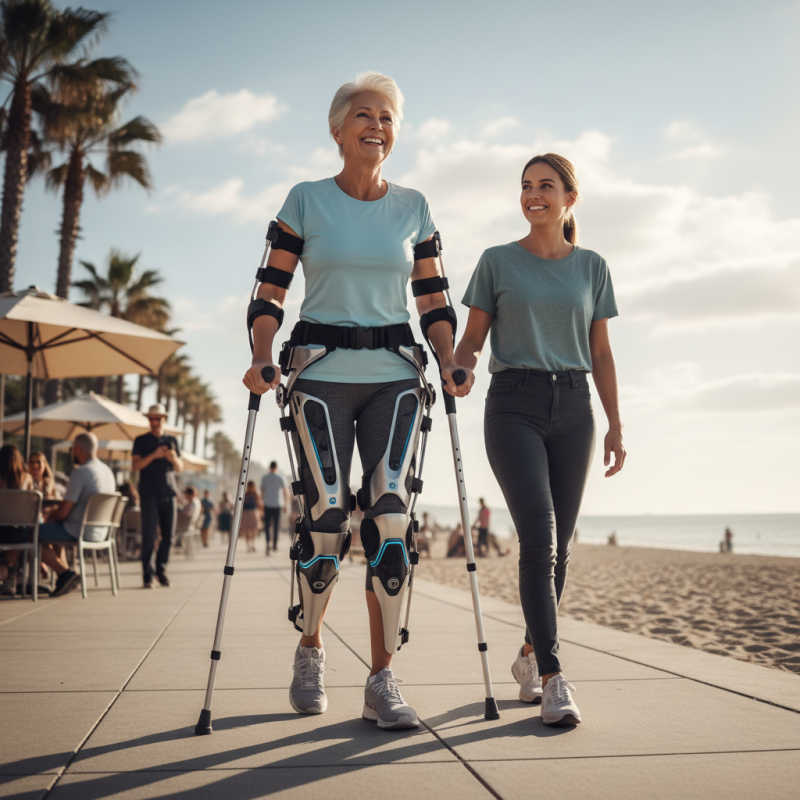
Innovative walking support devices have transformed the lives of many individuals. These tools, which range from simple canes to advanced robotic exoskeletons, provide essential stability and assistance. However, the path to embracing these aids can be filled with emotional hurdles. Some may resist using walking support due to pride, fearing judgment, or feeling inadequate. It’s essential to confront these thoughts and recognize that seeking help is a sign of strength.
Embracing walking support can lead to newfound freedom. Individuals often find themselves exploring new activities and social engagements. They can reconnect with passions that seemed out of reach. While the adjustment period is not always easy, the benefits are profound. Walking support is more than just a tool; it’s a bridge to a more fulfilling life. It encourages growth, resilience, and the courage to step forward, one step at a time.
Understanding Walking Support: Definition and Scope
Walking support refers to tools and resources that assist individuals in maintaining or improving their mobility. This can include devices like walkers, canes, and even supportive surfaces. Understanding this concept is crucial for those facing difficulties with walking due to age, injury, or medical conditions. These aids serve to boost confidence and provide stability during movement.
Walking support encompasses a wide range of applications. For example, a cane can offer necessary balance while walking. A walker can provide both support and security, but they can also be cumbersome in tight spaces. Finding the right support requires careful consideration and personal reflection. Choosing between these aids may bring up feelings of vulnerability or hesitation. It's essential to ponder the balance between independence and assistance.
Additionally, walking support can be more than just physical tools. It also includes community resources and rehabilitation programs. These programs can guide individuals through exercises and techniques that enhance walking abilities. However, the learning process may not be straightforward. Progress can be slow, and setbacks can be discouraging. Embracing the journey is key, even when it feels frustrating.
What is Walking Support and How Can It Help You?
| Feature |
Description |
Benefits |
| Mobility Aids |
Devices such as walkers, canes, and crutches that help individuals maintain mobility. |
Increases independence and reduces the risk of falls. |
| Physical Therapy |
Therapeutic exercises and techniques used to improve walking and gait. |
Enhances strength, balance, and coordination. |
| Walkability Assessments |
Evaluations to determine the safety and accessibility of walking paths. |
Promotes safer walking environments and encourages walking as a form of transportation. |
| Support Groups |
Communities that provide emotional and practical support for individuals with mobility challenges. |
Increases motivation and reduces feelings of isolation. |
| Technology Integration |
Use of apps and wearable devices to track walking progress and provide feedback. |
Encourages adherence to walking programs and promotes health awareness. |
Types of Walking Support Devices and Their Features
Walking support devices play a crucial role in enhancing mobility. These devices cater to various needs, helping people maintain independence. Common types include canes, walkers, and gait trainers. Each device has unique features tailored for specific challenges.
Canes are lightweight. They offer stability and are easy to use. Studies show that over 30% of older adults use canes for support. Walkers provide more support than canes. They have four legs to increase stability. However, walkers can be unwieldy in tight spaces. Gait trainers are designed for rehabilitation. They often include wheels and brakes. These support users during recovery from injuries.
The choice of device greatly impacts a person’s mobility experience. A person may prefer a cane due to its simplicity. But sometimes, a walker is a better option for those needing more support. It's crucial to consider usability and comfort. Many users report feeling frustrated when their device doesn't meet their needs. Finding the right fit can take time, but it's essential for confidence in movement.
Benefits of Using Walking Support for Mobility and Independence
Walking support devices play a crucial role in enhancing mobility. According to the World Health Organization, about 1 in 4 adults faces difficulty walking as they age. Tools like walkers and canes can bridge this gap. They offer stability, allowing users to navigate spaces confidently. This support can help reduce the risk of falls, which are a major concern for older adults.
Using walking support not only aids mobility but also promotes independence. A study by the National Institute on Aging found that 60% of seniors using mobility aids reported feeling more active and engaged. These devices encourage participation in daily activities. They help individuals maintain social connections. There’s a sense of empowerment that comes with being able to walk more freely.
However, some may feel self-conscious using walking aids. It can be challenging to acknowledge the need for assistance. This hesitance often leads to decreased activity levels. It is essential to address these feelings. Encouragement from family and friends can make a significant difference. Adopting walking support should be seen as a step towards improved quality of life, not a limitation.
How to Choose the Right Walking Support for Your Needs
Choosing the right walking support requires careful consideration of your specific needs and lifestyle.
First, assess your mobility issues.
Do you need help with balance, or is endurance a concern?
Understanding your primary challenges will guide your decision.
Consider how often you'll use the support.
A daily walker may prefer something lightweight and easy to handle.
Next, think about your living environment.
If you're navigating stairs or tight spaces, compact options are essential.
Some supports collapse for easy storage.
Also, reflect on comfort. Grips should feel secure in your hands.
Test different styles to find the best fit.
This process can feel overwhelming. You may second-guess your choices.
It's normal to grapple with uncertainty.
Don't forget to consult professionals. They can provide valuable insights tailored to your situation.
Remember, walking support is not just an accessory;
it’s an aid to enhance your mobility and independence.
Take your time before making a final decision.
Tips for Safe and Effective Use of Walking Support Devices
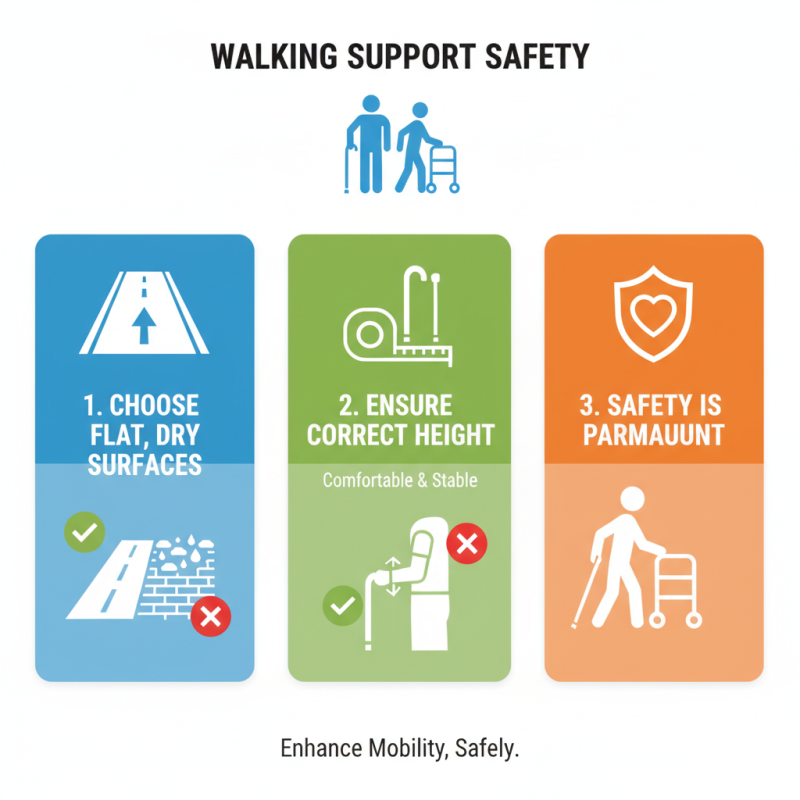
Walking support devices, such as canes or walkers, can greatly enhance mobility for those in need. When using these tools, safety is paramount. The surface you walk on matters. Choose flat, dry areas for practice. Uneven ground can be a trip hazard. Ensure your device is the right height for you. It should feel comfortable and provide stability.
Regular maintenance of walking aids is crucial. Check for any damage or wear. Sometimes, users forget to replace worn-out tips on canes. These tips provide grip and prevent slips. They are not merely accessories; they are essential for stability. Practice moving slowly and deliberately to build confidence. This is especially vital for beginners.
Keep your posture in mind. Stand tall and look ahead, not down. Many people instinctively hunch, which can lead to falls. Adjust your technique as needed. If you feel unsteady, ask for help. Reflect on your progress. There’s no rush to master these devices. Take it one step at a time.