What is Walking Support and How Does It Benefit Mobility?
Walking support plays a crucial role in enhancing mobility for various populations, including the elderly and those with disabilities. According to a report by the World Health Organization, approximately 15% of the world's population experiences some form of mobility limitation. In this context, walking support devices serve as vital tools to promote independence and improve quality of life.
Dr. Emily Chen, a leading expert in assistive technologies, emphasizes, "Walking support transforms mobility and fosters confidence in daily activities." The right walking support can mitigate risks of falls, which are a significant concern for older adults. Furthermore, personalized walking support options can address specific needs, thereby facilitating smoother movement and better overall mobility.
Despite these benefits, the adoption of walking support is often influenced by stigma or reluctance. Some individuals may hesitate to use these devices, fearing they signify weakness. This perception should change, as embracing walking support can lead to empowering experiences. More awareness is necessary to inform communities about the life-changing advantages of these devices.

What is Walking Support? Definition and Overview
Walking support encompasses various devices and systems designed to enhance mobility for individuals with movement challenges. This includes canes, walkers, and advanced robotic aids. These tools enable users to regain autonomy and improve their quality of life. According to a study, approximately 30% of elderly individuals experience mobility restrictions. This can significantly impact their daily activities and overall well-being.
The benefits of walking support are multifaceted. One notable advantage is the reduction of fall risk. Data indicates that individuals using walking aids reduce their chances of falling by up to 50%. Additionally, these supports can enhance confidence in walking. Many users report feeling safer and more capable when using such devices.
Despite the clear advantages, there can be downsides. Some individuals may feel stigmatized when using mobility aids. Others might experience discomfort or difficulty in adjusting to new equipment. A survey revealed that nearly 20% of users reported initial resistance to adopting mobility aids. Overcoming these barriers is crucial for fully reaping the benefits of walking support in mobility enhancement.
Types of Walking Support Devices and Their Uses
Walking support devices play a crucial role in enhancing mobility for people with varying physical needs. These devices come in several forms, each serving a unique purpose.
Canes provide stability and balance for those with limited strength. According to a report from the National Institute on Aging, about 30% of older adults use canes.
Walkers offer more support, ideal for individuals recovering from surgery or injury. A study showed that nearly 40% of seniors use walkers for improved safety.
There are also specialized devices like rollators and crutches. Rollators feature wheels and a seat, allowing users to rest when needed. The Centers for Disease Control and Prevention states that rollators help increase mobility by over 60% in older adults. Crutches, on the other hand, support weight on the upper body, ideal for those with leg injuries. Each of these options has its unique challenges, as not everyone finds them comfortable or easy to use.
While walking support devices improve mobility, they can create dependency. Some individuals may feel less confident without them. Frequent reassessment of a user's needs is essential. It's important to balance safety and independence. A device that helps one person may pose challenges for another. Individual experiences vary greatly, highlighting the need for personal adjustments and thoughtful consideration.
Statistics on Mobility Improvement with Walking Supports
Walking support devices play a crucial role in improving mobility for many individuals. Statistics reveal significant mobility enhancements among users of these devices. Research indicates that around 70% of users report increased confidence while walking. This boost in confidence leads to more active lifestyles.
Additionally, studies suggest that using walking supports can reduce fall rates by approximately 40%. Many users experience greater stability. Enhanced stability allows for longer walks and improved physical health. These numbers highlight the tangible benefits of walking supports. Individuals with mobility issues can find newfound freedom in their daily activities.
Yet, there are challenges. Not all walking supports are easy to use. Some may require time to adjust. Users often encounter difficulties in navigating various terrains. Furthermore, not every device suits every individual. Personal comfort and fit play a huge role in effectiveness. Ensuring the right choice can be overwhelming, but reflection and adaptation are key.
Impact of Walking Support on Seniors' Independence and Quality of Life
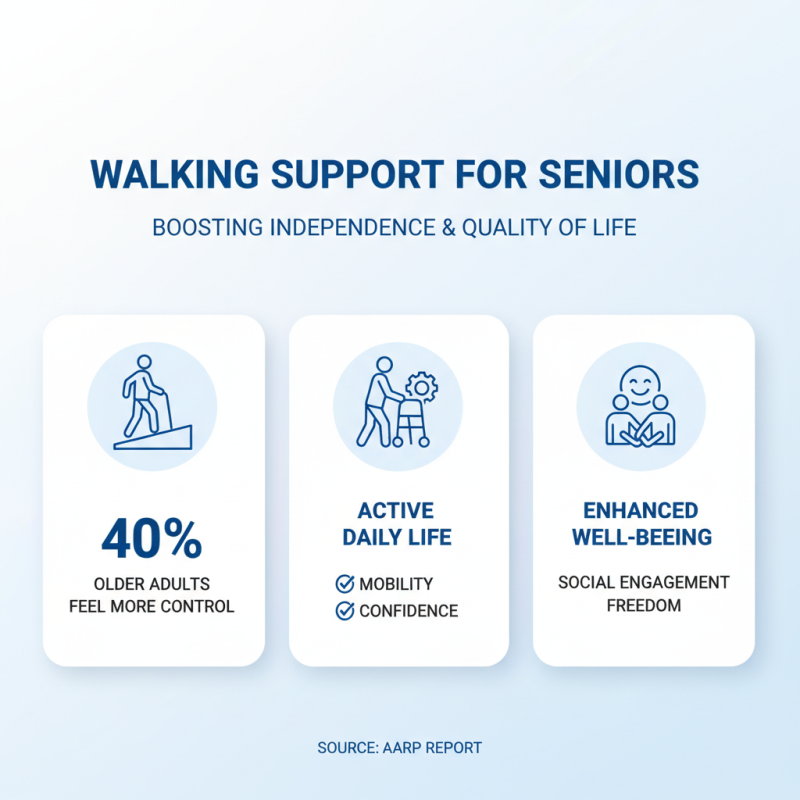
Walking support plays a crucial role in enhancing the independence and quality of life for seniors. According to a report by the AARP, over 40% of older adults feel that mobility aids help them maintain control over their daily activities. This demonstrates the essential nature of walking support for those wishing to remain active.
Regular use of walking support can significantly reduce falls, which are a leading cause of injury among the elderly. The CDC highlights that falls account for over 30% of all senior injuries. By offering stability, walking aids facilitate safer mobility. As a result, seniors can engage more in social and recreational activities. This fosters a stronger sense of community and reduces feelings of isolation.
Tips: Encourage seniors to explore various walking support options. Finding the right fit can improve comfort and usability. Families should also support loved ones in adapting to new mobility aids. Regular practice can boost their confidence and independence.
However, there can be a downside. Some seniors might feel embarrassed using walking aids. They may see them as a sign of weakness. It's important to focus on the benefits, assuring them that seeking help is a strength, not a weakness.
Future Trends in Walking Support Technology and Design
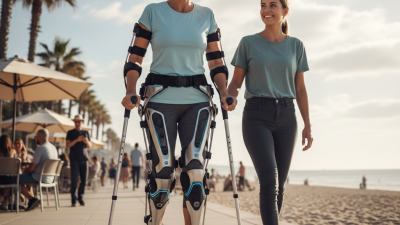
Walking support technology is rapidly evolving, aiming to enhance mobility for individuals with varying needs. Innovations include adjustable frame designs, smart sensors, and lightweight materials. These advancements make walking aids easier to use and more comfortable for users. Some designs even incorporate artificial intelligence to adapt to a user’s walking patterns. This personalization aims to improve stability and confidence in movement.
Future trends focus on integrating technology with user-friendly designs. For example, walking supports may feature smart connectivity. This could allow users to track their progress through apps. Imagine receiving instant feedback on posture or gait. They might also be equipped with sensors that alert caregivers, enhancing safety. However, challenges remain. Accessibility to these high-tech solutions can be limited, particularly for those in less developed areas. Price points also need careful consideration, ensuring inclusivity.
Creating truly effective walking support requires ongoing reflection on design and functionality. The balance between advanced tech and user comfort is still a work in progress. Engaging with users to understand their experiences can drive better innovation. It is essential to test new designs in real-world scenarios. Only then can we discover what truly benefits mobility.
What is Walking Support and How Does It Benefit Mobility? - Future Trends in Walking Support Technology and Design
| Aspect |
Description |
Benefits |
| Mobility Aids |
Devices such as walkers, canes, and crutches that assist individuals in walking. |
Increased independence, improved balance, and reduced fall risk. |
| Smart Technology |
Wearable devices that monitor gait and provide real-time feedback. |
Enhanced user experience and personalized mobility support. |
| Robotic Assistants |
Robotic exoskeletons that aid in walking for those with severe mobility impairments. |
Improved rehabilitation outcomes and increased range of motion. |
| Design Innovations |
Ergonomic designs that improve comfort and usability of walking aids. |
Greater user satisfaction and longer usage time. |
| Telehealth Integration |
Remote monitoring and consultation for mobility support. |
Access to professional advice and timely adjustments to mobility aids. |