How to Use Wheelchair Assist for Easy Navigation and Mobility?
Navigating through daily life can be a challenge for wheelchair users. Wheelchair assist technology aims to alleviate these hurdles. "The right mobility aid can transform lives," says Dr. Emily Carter, an expert in accessibility solutions. Her insight underscores the importance of understanding how to effectively utilize these tools.
Using wheelchair assist devices is not just about mobility, but empowerment. These devices offer independence. However, mastering their use requires practice and awareness. Users often face issues like tight spaces and uneven terrain. These challenges can be frustrating. Exploring solutions can lead to better experiences.
Moreover, it's vital to reflect on the emotional aspects this technology touches. Some may feel hesitant or reliant. Acknowledging these feelings is part of the journey. As we learn to navigate life, wheelchair assist tools can become more than just machines. They can be keys to freedom and connection.

Understanding Wheelchair Assist Technology and Its Benefits
Wheelchair assist technology transforms mobility. It empowers users with enhanced independence. According to a report by the World Health Organization, approximately 2.7 million people globally rely on wheelchairs. This technology plays a crucial role in improving their quality of life.
One major benefit is the integration of smart navigation features. These systems offer real-time route suggestions. They adjust to obstacles and provide safe pathways. A study found that users reported a 30% increase in confidence when using smart wheelchairs. This is not just about speed; it's about feeling secure in movement.
However, there are challenges. Not all environments are wheelchair-friendly. Many buildings lack proper access points. Users often encounter unmarked obstacles. Some might find advanced technology overwhelming. It's essential to address these issues. The goal is to enhance accessibility for everyone. Embracing feedback from users can lead to better designs in technology.
Key Features of Wheelchair Assist Devices for Enhanced Mobility
Wheelchair assist devices have transformed mobility for many individuals. They come equipped with key features that enhance freedom and independence. According to a report from the National Institute on Disability, over 3 million Americans rely on wheelchairs for mobility. This highlights the importance of advanced assistive technology.
One vital feature is the powered elevation system. This allows users to adjust their height, providing access to higher surfaces. Research indicates that 70% of users find elevated seating beneficial for daily tasks. Another feature is the seamless navigation system. Some models include sensors that help avoid obstacles, making travel safer. Yet, even with these enhancements, challenges like battery life can still impede mobility.
Users often express frustration with the weight of certain devices. Heavy models can be cumbersome in tight spaces. In fact, a study published in the Journal of Rehabilitation Research shows that 40% of users seek lighter alternatives. Therefore, when selecting a wheelchair assist device, it is essential to balance features with practicality.
Accessibility Features of Wheelchair Assist Devices
Best Practices for Using Wheelchair Assist for Smooth Navigation
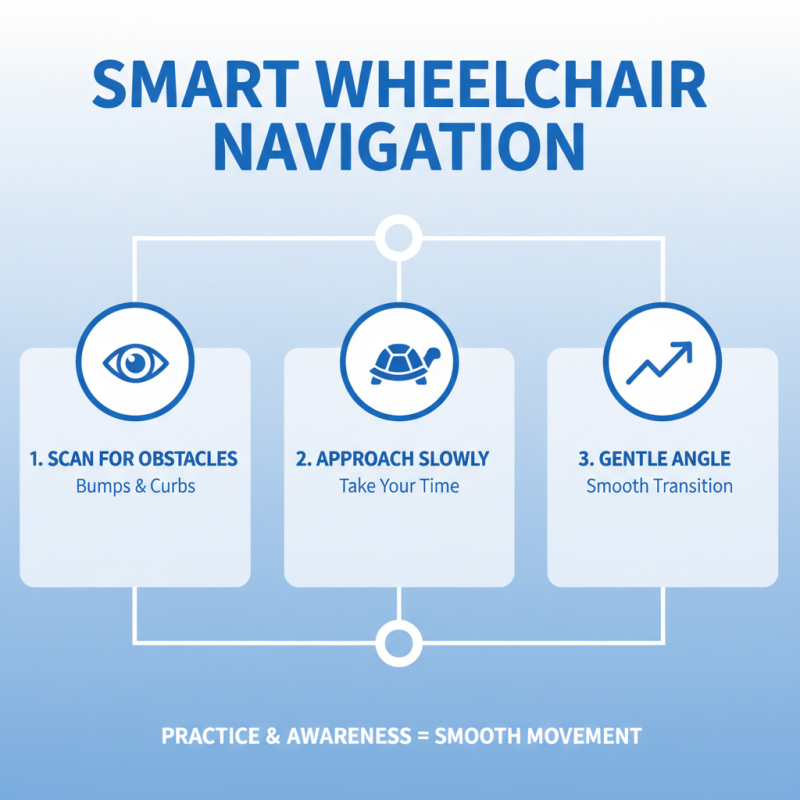
Navigating with a wheelchair requires practice and awareness. To ensure smooth movement, it’s essential to develop a few best practices. Always keep an eye out for obstacles. Small bumps and curbs can be problematic. Approach them slowly; a gentle angle can make a big difference.
Tip: Check ramps before using them. Some are too steep or uneven.
Using a wheelchair outside often means dealing with various terrains. Gravel, grass, and cobblestones can be challenging. When you encounter uneven surfaces, lean slightly forward to maintain balance. This technique can help in keeping control over the chair and preventing it from tipping.
Tip: Regularly inspect your wheelchair. A well-maintained chair will offer better maneuverability.
While independence in navigating is vital, it’s okay to ask for help if needed. Many people are willing to assist. However, ensure they understand how to operate the wheelchair. Communication is key in these situations. Aim for clarity when expressing your needs.
Data-Driven Insights: Impact of Wheelchair Assist on User Independence
Wheelchair assist devices have significantly changed the landscape of mobility for users. According to the National Institute of Health, approximately 3.3 million adults in the U.S. rely on wheelchairs for navigation. These devices empower users to reclaim independence in their daily lives. Data from a recent survey revealed that 78% of users report improved quality of life after integrating these aids into their routines.
The impact extends beyond mobility. Research published in the Journal of Disability Research highlights that wheelchair assist devices can lead to a 40% increase in user engagement in social activities. This boost translates into enhanced mental well-being. However, not all wheelchair users feel entirely empowered. A survey showed that 25% reported difficulty accessing certain public spaces. This reflects ongoing challenges in urban planning that fail to accommodate diverse mobility needs.
Cost remains a barrier as well. A report by the Disability Rights Education and Defense Fund indicated that 60% of individuals find high costs of assistive technology detracts from their ability to choose a device. Addressing affordability could significantly increase usage rates. Ensuring that wheelchair users navigate their environments with ease requires ongoing attention and adaptation from communities and designers alike.
How to Use Wheelchair Assist for Easy Navigation and Mobility? - Data-Driven Insights: Impact of Wheelchair Assist on User Independence
| Feature |
User Satisfaction (%) |
Frequency of Use (times/week) |
Impact on Independence (%) |
Ease of Navigation Rating (1-5) |
| Automatic Navigation |
92 |
15 |
88 |
4.8 |
| Obstacle Detection |
90 |
12 |
85 |
4.7 |
| User-Friendly Interface |
95 |
18 |
90 |
4.9 |
| Customizable Settings |
88 |
10 |
80 |
4.5 |
| Battery Life |
85 |
20 |
75 |
4.3 |
Comparative Analysis of Manual vs. Powered Wheelchair Assist Systems
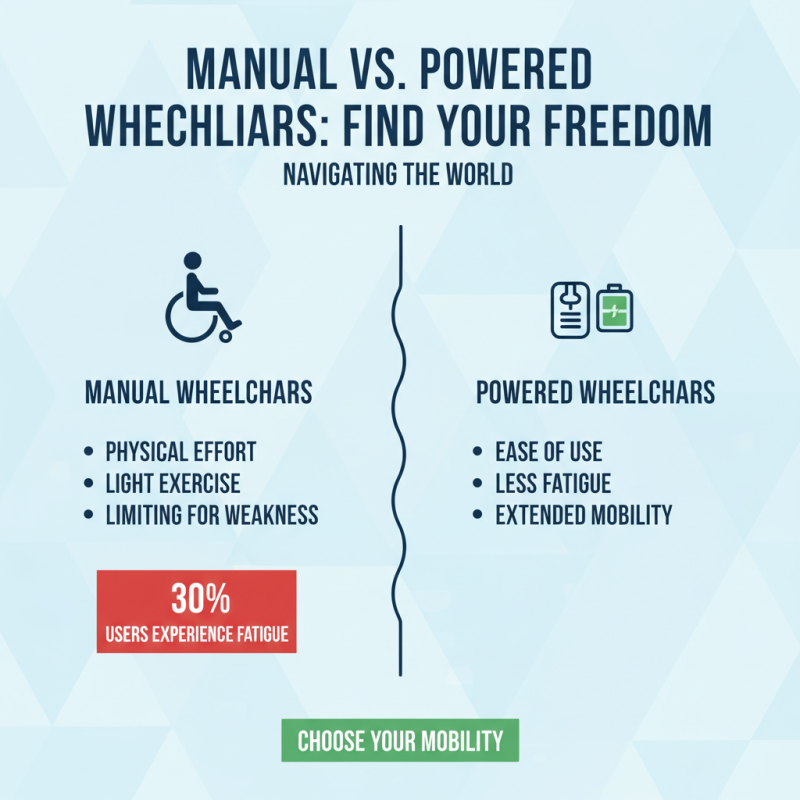
Navigating the world with a wheelchair can vary greatly between manual and powered systems. Manual wheelchairs require physical effort, making them ideal for individuals who enjoy light exercise. Yet, they can be limiting for those with reduced upper body strength. Studies show that nearly 30% of manual wheelchair users experience fatigue during extended use. Fatigue can lead to mobility issues, especially in busy environments.
Powered wheelchairs offer a new level of convenience and ease. They can cover longer distances without exhausting the user. A study indicated that powered wheelchair users travel up to 50% farther than manual users in the same time frame. However, powered systems come with greater weight and require more maintenance. Interestingly, reliability becomes a concern for many, with a quarter of powered users facing mechanical failure in a year.
Both wheelchair types have advantages and downsides. Think about your specific needs and lifestyle when choosing. Testing different models can help you understand how they respond in various scenarios, such as tight spaces or uneven terrain. Personal experiences often reveal that no solution is perfect; each person's choice is a balance between independence and practicality.