How to Use Metallic Pigment for Stunning Art Projects?
Metallic Pigment has gained significant attention in the art world, offering a unique shimmer to various projects. According to a recent report by the Art Materials Manufacturers Association, the metallic pigment market is projected to grow by 7% annually. This trend reflects artists’ growing desire for vibrant and eye-catching materials.
Renowned artist and pigment expert, Dr. Elaine Foster, noted, “Metallic Pigment can transform an ordinary piece into something extraordinary.” Her insight encapsulates the purpose of this powerful medium. Artists are experimenting with various applications, from acrylics to textiles, enhancing both visual appeal and texture. However, incorporating metallic pigment can be challenging.
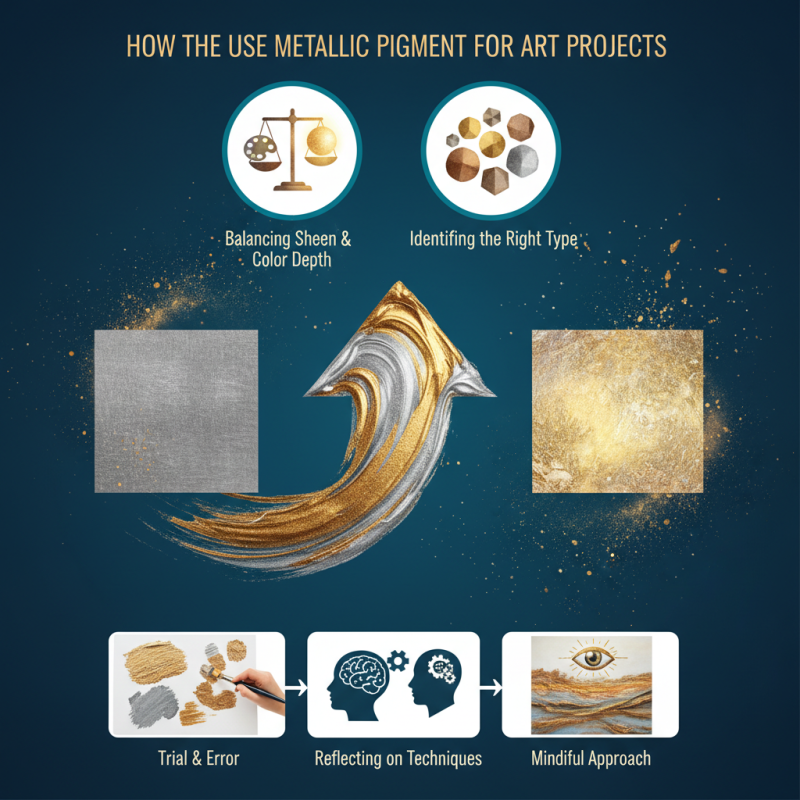
Balancing sheen and color depth requires practice. Identifying the right type of pigment is crucial, as not all serve the same purpose. Inconsistencies in application may lead to uneven finishes. Artistry involves trial and error, and metallic pigment is no exception. Artists often find themselves reflecting on their techniques to achieve the desired results. With a mindful approach, the journey of using metallic pigment can lead to stunning creations.
Choosing the Right Metallic Pigment for Your Project
Choosing the right metallic pigment can be a game-changer for your art projects. Consider the color palette you desire. Each pigment offers a unique sheen and hue. Some have a reflective quality that makes artwork shimmer. Others provide a soft, muted effect. Testing a few options can be insightful.
Think about the medium you will use. Metallic pigments behave differently in watercolor, acrylics, or oils. They may change their appearance when mixed. Interactions can sometimes yield unexpected results, leading to new creative directions. Be prepared for surprises. Sometimes, the final product may not mirror your initial vision, but this can lead to intriguing outcomes.
Pay attention to the application technique. Whether you choose to brush, spray, or pour can affect the final look. Layering pigments can create depth, but it also poses challenges. Overdoing it may cause muddled colors. Reflect on each step and be open to learning through experimentation. The journey is often just as rewarding as the finished piece.
How to Use Metallic Pigment for Stunning Art Projects
| Pigment Type | Color | Best Use | Medium Compatibility | Opacity |
| Mica Powder | Gold | Resin Art, Paint | Epoxy, Acrylic | Semi-Transparent |
| Pearlescent Pigment | Silver | Paint, Coatings | Acrylic, Oil | Translucent |
| Metallic Paint | Copper | Decorative Painting, Crafts | Various Surfaces | Opaque |
| Ink with Metallic Pigment | Bronze | Printmaking, Calligraphy | Paper, Canvas | Varying Opacity |
| Spray Metallics | Champagne | Mix Media, Outdoor Projects | Most Surfaces | Opaque |
Understanding Different Types of Metallic Pigments
Understanding different types of metallic pigments is crucial for artists looking to enhance their work. There are several varieties available, including powders, pastes, and liquid forms. Each type offers unique characteristics that can influence the final outcome of an art project. For instance, powder pigments provide intense color saturation, while liquid pigments allow for smoother application and blending.
Experts report that metallic pigments can increase the visual appeal of artwork by up to 40%. This boost in aesthetic value is attributed to their reflective qualities and the depth they add to colors. However, artists often struggle with the application techniques. Some find it challenging to achieve even coverage without clumping. This can lead to uneven finishes that lack the desired brilliance.
When using these pigments, it’s essential to consider the medium. For example, oil-based mediums can amplify shine but may also alter drying times. Many artists face difficulties in balancing the vibrancy and transparency of colors. Finding the right mix is often a journey of trial and error. In some cases, it might be necessary to experiment with layering to see how different pigments interact. This exploration can lead to unexpected, sometimes flawed but beautiful results.
Usage of Different Types of Metallic Pigments in Art Projects
Preparing Your Materials and Workspace for Application
Preparing your materials and workspace is crucial when using metallic pigment in art projects. Start by choosing a clean, flat surface for your workspace. A sturdy table covered with a plastic sheet works well. Gather your tools: brushes, palette knives, and mixing bowls. It’s wise to have a roll of paper towels handy. You’ll need them for quick clean-ups.
Next, consider the type of metallic pigment you’re using. Different pigments may require specific preparation. Some need to be mixed with a medium, while others can be used dry. Take your time to read the instructions. Experiment with mixing small amounts first; this helps avoid waste. Remember, the consistency matters for application. Too thick can be cumbersome; too thin can lose vibrancy.
As you work, don’t forget to step back and assess your progress. Your initial excitement may lead you to rush. Embrace imperfections. They often lead to unexpected beauty. If something doesn't look right, reflect on what could be changed. Creating art is a journey filled with trial and error. Enjoy the process.
Techniques for Applying Metallic Pigments Effectively
Applying metallic pigments can elevate your art projects dramatically. These pigments add depth and brilliance. Here are some techniques that can help you apply them effectively.
Begin with a clean surface. Dust and dirt can affect adherence. Use a soft brush to prepare your canvas or paper. When applying the pigment, use a sponge or a craft brush to achieve different textures. A sponge creates an uneven shimmer, while a brush provides smooth coverage. Experiment with both methods to see what works best for your piece.
Tips: Ensure the layer is thin. Thick applications can crack or dull the luster. If a mistake happens, don’t worry. You can always layer more pigment over it! Consider mixing pigments with mediums for interesting effects. However, mixing too much might muddy the colors. Always test on a small area first.
Drying times can vary. Be patient and allow layers to cure completely. This helps in achieving a long-lasting finish. Don't be afraid to embrace imperfections. Sometimes, these flaws can lead to unexpected beauty in your artwork. Regular experimentation will enhance your skills over time.
Finishing and Protecting Your Art with Metallic Pigments
Metallic pigments can elevate the beauty of your artwork. They bring vibrant sheen and depth, but protecting this aesthetic is crucial. Recent industry reports indicate that artworks treated with protective finishes have a longer lifespan. A study found that approximately 25% of art loses its luster without proper sealing. This highlights the necessity of using an appropriate protective layer.
Choosing the right finish is essential. Options vary from spray coatings to varnishes. Each type can affect the appearance of metallic pigments differently. For instance, some finishes can dull the brightness of pigments. On the other hand, certain varnishes enhance sparkle. Artists must test finishes on samples before applying them to their final pieces. Dedicating time to this can prevent future dissatisfaction.
Moreover, environmental factors can impact metallic pigments. Humidity and temperature variations may cause reactions, leading to unexpected fading or tarnishing. Data reveals that artworks exposed to fluctuating conditions show a 30% decrease in vibrancy over time. Regular assessments and adjustments to displays can minimize these effects. Art should not just be created; it needs ongoing care and attention to thrive.