Top 5 Tips for Sourcing Oranje Dredger Worldwide?
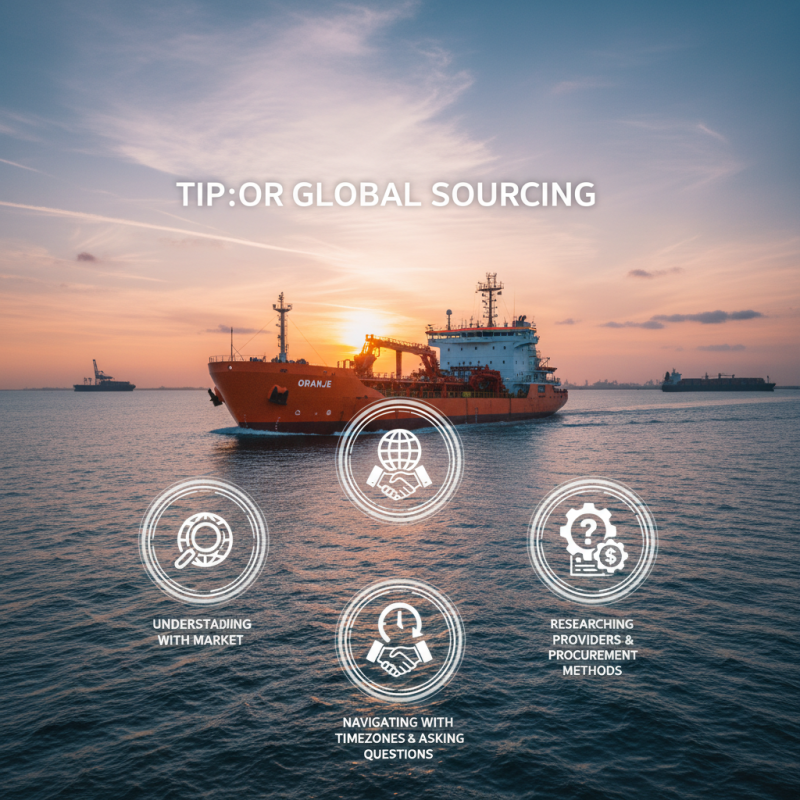
Sourcing an Oranje Dredger worldwide can be a daunting task. The importance of understanding the market cannot be overstated. Whether you are a contractor or an engineering firm, knowledge is crucial. Various regions offer different advantages for acquiring dredgers. Expensive options may not always mean high quality.
Engaging with trusted suppliers is essential. Local insights can reveal hidden gems. Researching the history and reliability of providers enhances your decision-making. It's crucial to ask questions, no matter how basic they may seem.
Timezone differences and language barriers are common hurdles. They can complicate negotiations or lead to misunderstandings. Patience is necessary. Do not rush the process. Understanding diverse procurement methods is vital. Ultimately, the goal is to find the right Oranje Dredger that meets your project needs.
Understanding the Global Market Demand for Oranje Dredgers
The demand for Oranje dredgers is rising globally. This trend reflects the increased need for infrastructure development, especially in coastal areas. Many countries are investing in their maritime capacity to enhance trade and tourism. Understanding local markets can provide insights into specific needs.
When sourcing Oranje dredgers, it’s crucial to evaluate local requirements. Each region may have distinct specifications based on environmental conditions. Engaging with local experts can help you navigate these complexities. Building relationships with local suppliers can also yield advantages. However, keep in mind that not all suppliers are reliable.
Importantly, you should consider the sustainability of production methods. Eco-friendly dredging practices are becoming a priority. Many clients are looking for solutions that minimize environmental impact. This growing awareness can influence purchasing decisions. Investing time in research can reveal potential gaps in the market. Understanding these nuances could lead to better sourcing strategies.
Key Factors Influencing the Pricing of Oranje Dredgers Internationally
When sourcing Oranje dredgers, understanding pricing factors is crucial. Several elements influence the costs, including raw materials, design complexity, and regional labor rates. For instance, a report from the International Maritime Organization highlighted that fluctuating material prices can account for up to 40% of dredger costs. Consequently, sourcing from regions with stable supply chains may reduce overall expenses.
Moreover, the technological features of Oranje dredgers play a significant role. Advanced dredging mechanisms increase initial costs. However, they often lead to higher efficiency and lower operating costs over time. According to a study by the International Association of Dredging Companies, vessels equipped with modern technology can improve productivity by 25%. This efficiency can offset higher upfront investments, making the total cost more favorable in the long run.
Geographical considerations also affect pricing. Import taxes and shipping expenses can vary widely by region. A recent analysis indicated that sourcing from regions with favorable trade agreements could save up to 15% on delivery costs. Understanding these dynamics is essential for any procurement strategy in the dredging industry.
Global Pricing of Oranje Dredgers by Region
Favorable Regions for Sourcing Oranje Dredgers: A Geographic Overview
When sourcing Oranje dredgers, geography plays a crucial role. Different regions offer unique advantages. Europe stands out due to its established maritime industry. Countries like the Netherlands and Germany have strong expertise in dredging technologies. These nations feature advanced facilities that enhance the quality of the equipment. Local suppliers often provide timely support, which is vital for projects.
Asia, particularly Southeast Asia, is gaining traction. Nations like Vietnam and Singapore are emerging as key players. They possess growing supply chains for dredging components. However, sourcing from these areas requires thorough research. There may be inconsistencies in quality control. Ensuring reliable standards can be challenging, but it can be rewarding.
Evaluating South America is also wise. Brazil has vast waterways that demand efficient dredging solutions. Local companies may have favorable pricing, but reliability can vary. Engaging with local experts can help navigate these markets effectively. Building relationships is essential for successful sourcing. The regional landscape is diverse, and understanding local nuances is key.
Top 5 Tips for Sourcing Oranje Dredger Worldwide
| Region | Dredger Type | Availability | Cost (USD) | Lead Time (Weeks) |
| Europe | Cutting Dredger | High | 500,000 | 12 |
| Asia | Trailing Suction Dredger | Medium | 400,000 | 10 |
| North America | Bucket Dredger | Low | 300,000 | 16 |
| South America | Cutter Suction Dredger | Medium | 350,000 | 14 |
| Africa | Dredging Barge | High | 450,000 | 8 |
Evaluating the Quality Standards for Oranje Dredgers in Different Markets
When sourcing Oranje dredgers worldwide, it’s crucial to evaluate quality standards across different markets. Each region may have its own set of regulations and benchmarks. Understanding these intricacies can help prevent costly mistakes. For instance, manufacturers in Europe often adhere to stricter environmental standards compared to those in other areas. This can affect the efficiency and durability of the dredgers produced.
Examine certifications and operational histories thoroughly. A dredger’s past performance can reveal much about its reliability. It’s wise to check customer feedback, as real users provide insights that are not found in product brochures. Some dredgers may meet initial quality checks but fail in the long term. This inconsistency can lead to unplanned expenses and operational delays.
Collaboration with local experts can enhance your sourcing strategy. They can offer valuable insights into regional dynamics. Engage with industry professionals who can guide your assessments. However, even experts can have biases. Relying solely on one opinion may not provide a complete picture. Therefore, always cross-reference information to ensure a well-rounded evaluation.
Building Relationships with Reliable Suppliers of Oranje Dredgers Worldwide
Building strong relationships with reliable suppliers of Oranje dredgers can significantly enhance your sourcing strategy. Establishing trust is crucial. Attend industry events or trade shows to meet suppliers face-to-face. Personal connections can lead to better deals and support. Consider reaching out through platforms that facilitate direct communication. This can give you insights into a supplier’s reputation.
Due diligence is essential. Research potential suppliers by looking for reviews and testimonials. Verify their credentials and history in the market. Ask for references and reach out to previous clients. This will help you gauge their reliability.
Communication is a two-way street. Be clear about your requirements and expectations. Regular updates and check-ins can prevent misunderstandings. Suppliers appreciate transparency, and it fosters a collaborative atmosphere. But remember, not every relationship will be perfect. Some suppliers may fall short of expectations. Reflect on these experiences for continuous improvement in your sourcing process.