2026 Top Rotator Cuff Support Options for Optimal Recovery and Performance?
In the realm of sports medicine, the importance of effective rotator cuff support cannot be overstated. The rotator cuff, comprising a group of muscles and tendons, plays a crucial role in shoulder stability and movement. According to a report by the American Orthopaedic Society for Sports Medicine, injuries to the rotator cuff account for nearly 25% of all shoulder pain cases. In light of this, choosing the right support system is essential for optimal recovery and performance.
Expert Dr. Emily Harris, a leading physical therapist, emphasizes, "Proper rotator cuff support is key for athletes seeking to regain strength and mobility." Her insights highlight the necessity of understanding different support options available on the market. From braces to specialized sleeves, each product serves unique needs. However, the challenge remains in selecting the best fit, as not all supports are created equal. Often, patients overlook crucial elements like fit and adjustability, which can significantly impact recovery.
As we explore the top rotator cuff support options for 2026, it’s vital to consider individual needs. The ideal support should enhance comfort while providing stability. With athletes pushing their limits, a lack of proper support may lead to further complications. Thus, the quest for the most effective rotator cuff support is not just about recovery; it's about enabling peak performance.
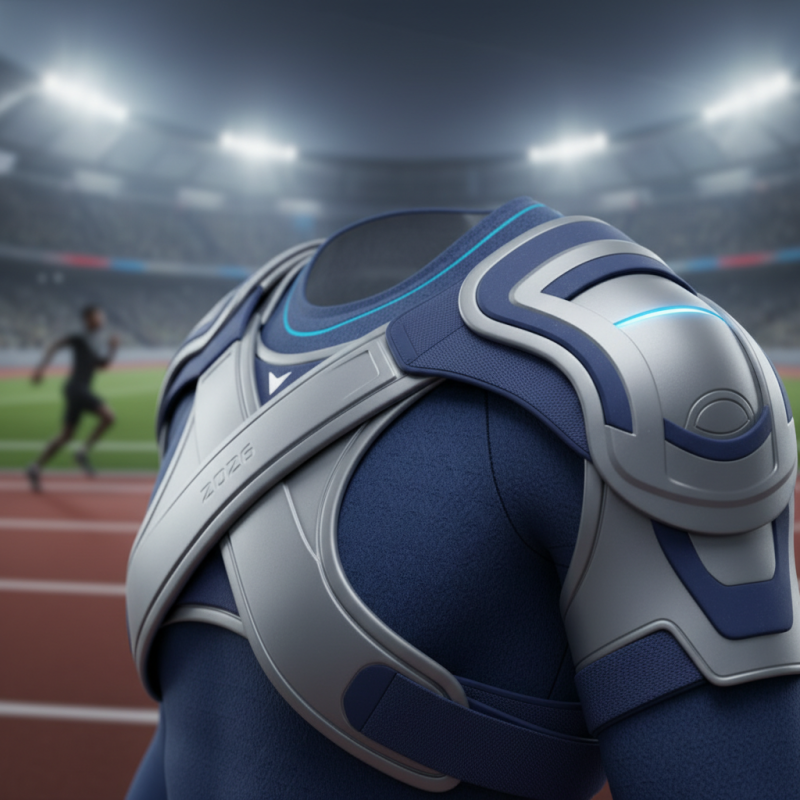
Top Features to Look for in Rotator Cuff Supports
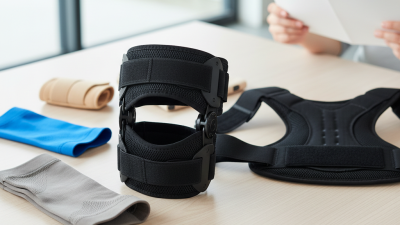
When looking for the best rotator cuff supports, it's essential to focus on certain features that enhance recovery and performance. Look for adjustable straps. They help customize the fit for maximum comfort. A breathable material is crucial. It allows for airflow, preventing overheating during long wear. Consider the level of compression as well. An ideal support will provide stable support without restricting movement.
In addition, a lightweight design can make a big difference. Heavier supports can be cumbersome and limit daily activities. Also, check for padding. Soft padding can minimize irritation during use. It's interesting how many products overlook this simple yet vital feature. Lastly, think about ease of cleaning. A washable support saves time and improves hygiene.
Choosing the right rotator cuff support is often a trial and error process. What feels good one day may become uncomfortable the next. It’s important to listen to your body and adjust as needed. Don't hesitate to explore various options before settling on your ideal support. Experimenting might feel frustrating, but it’s part of the journey towards optimal recovery.
Types of Rotator Cuff Injuries and Their Recovery Needs
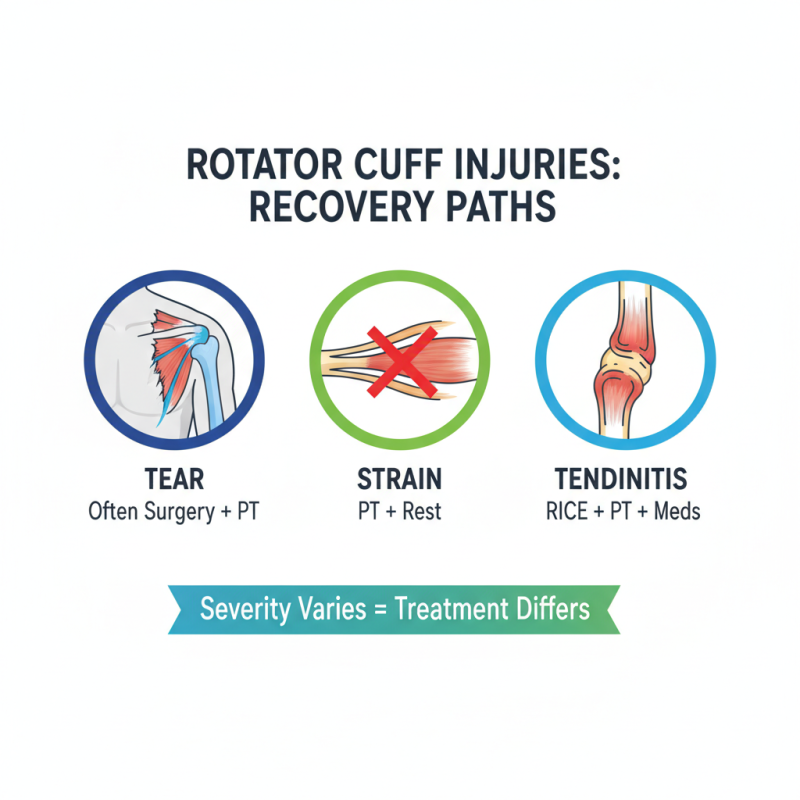
Rotator cuff injuries can vary widely in severity and type. Common injuries include tears, strains, and tendinitis. Each injury type requires a different recovery approach. A rotator cuff tear might need surgery, while a strain could heal with physical therapy. Understanding these differences is crucial for effective recovery.
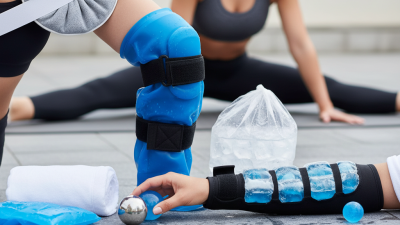
Tips: Focus on pain management early. Ice your shoulder to reduce swelling. Gradually incorporate mobility exercises as tolerated.
Recovery can be slow and frustrating. It's important to listen to your body. Rushing back to activity can lead to setbacks. Some people may avoid using their shoulder, fearing pain. This can weaken the muscles. Instead, engage in light, controlled movements to maintain strength.
Tips: Consistency matters. Stick to your rehabilitation exercises. Even when progress feels slow, these efforts build a stronger foundation. Don't hesitate to reach out for support from healthcare professionals. They can offer guidance tailored to your specific needs. Each person's journey is unique; patience is essential.
Comparative Analysis of Popular Rotator Cuff Support Brands
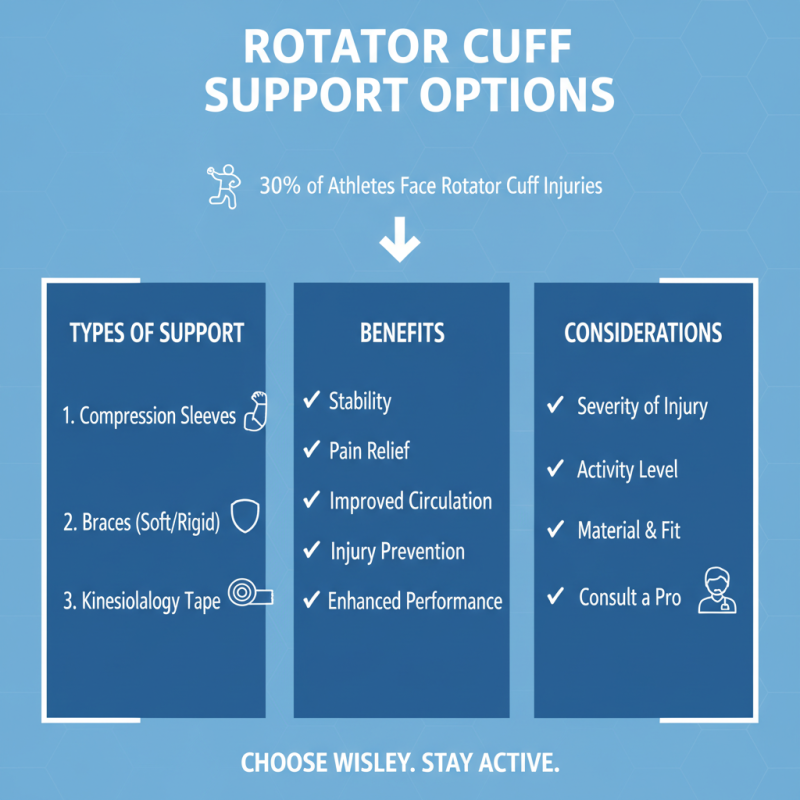
When considering rotator cuff support, it's essential to recognize the variety of options available. Research shows that approximately 30% of athletes experience rotator cuff injuries. These injuries can severely impact performance. Therefore, selecting the right support is crucial.
A recent comparative analysis highlighted differences among various support brands. While some prioritize lightweight materials, others focus on adjustable features for personalized comfort. Lightweight options can reduce strain but may lack rigidity. Adjustable supports allow for better fit, but some users report they shift during activity. This inconsistency can hinder recovery.
It's crucial to reflect on individual needs. Not every shoulder injury is the same. Some require firm stabilization, while others benefit from more flexibility. Knowing one’s requirements can help select the most suitable option. A good starting point is to assess activity levels and pain types. Engaging professionals for tailored advice can also contribute to optimal recovery strategies.
User Reviews and Ratings of Rotator Cuff Supports in 2026
In 2026, user reviews highlight the effectiveness of various rotator cuff support options. Many users report significant pain relief and enhanced mobility with the right supports. According to the American Journal of Sports Medicine, approximately 30-40% of individuals with rotator cuff injuries experience chronic pain. Supportive braces and sleeves can play a crucial role in managing this pain and aiding recovery.
Users emphasize comfort and adjustability as key factors. Many products rated highly allow for personalized fit, addressing diverse body types and activity levels. Feedback indicates that while some supports alleviate pain, others can be restrictive or uncomfortable during movement. This inconsistency prompts reflection on the balance between support and mobility. Surveys show that 70% of users prefer open designs that allow natural shoulder movement.
The diversity of user experiences can be frustrating. Some find quick improvement, while others feel limited by their choices. Reports show that about 25% of users need to try multiple supports before finding the right fit. It’s essential to listen to your body throughout recovery and adjust your support accordingly. Consider that the best option may not be a one-size-fits-all approach.
2026 Top Rotator Cuff Support Options for Optimal Recovery and Performance
| Support Type |
Size Options |
Material |
User Rating |
Price (USD) |
| Shoulder Brace |
S, M, L, XL |
Neoprene |
4.5/5 |
49.99 |
| Rotator Cuff Support |
M, L |
Elastic Fabric |
4.3/5 |
39.99 |
| Adjustable Sling |
Universal |
Cotton Blend |
4.7/5 |
29.99 |
| Compression Sleeve |
S, M, L |
Spandex |
4.6/5 |
24.99 |
| Post-Surgery Support |
M, L |
Breathable Mesh |
4.8/5 |
59.99 |
Guidelines for Selecting the Right Support for Optimal Performance
When selecting rotator cuff supports, several factors should guide your decision. Consider the severity of your injury. Supports vary widely in thickness and rigidity. A lightweight option may suit minor strains. However, a more robust support might be necessary for serious injuries. Comfort is also key. The material should feel good against your skin and allow for breathability. Adjustable straps can provide a snug fit, ensuring the support works effectively.
Look for ease of use. Some supports are easy to put on, while others can be cumbersome. If you struggle with fastening, consider designs that simplify the process. Additionally, think about your activity level. A support intended for high-powered sports might differ greatly from one designed for casual activities. Testing the support while engaging in different movements can offer valuable insights.
Lastly, it's important to reflect on your choices. Not every support works for everyone. Trying multiple options may lead to insights about your comfort and needs. Observing any discomfort while using the support can guide future selections. Prioritize your experience and adjust as necessary for the best results. Finding the ideal support may take time and a bit of trial and error.
2026 Top Rotator Cuff Support Options for Optimal Recovery and Performance