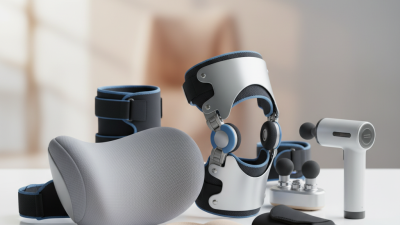
Choosing reliable orthopedic soft goods suppliers requires more than comparing product photos or wholesale prices. A supportive knee brace may look simple, yet its stitching, compression level, material recovery, and sizing accuracy can affect daily comfort and clinical usefulness. This guide introduces 10 leading orthopedic soft goods suppliers worldwide, focusing on their product range, manufacturing capabilities, quality systems, and reputation among healthcare and distribution professionals.
The evaluation considers practical details that buyers often notice late. These include breathable fabrics, reinforced seams, adjustable closures, skin contact, packaging clarity, and consistency between samples and larger orders. Supplier transparency also matters. Evidence such as certifications, testing documentation, traceable materials, and responsive technical support can help buyers make safer decisions. However, supplier claims should not be accepted without verification.
Not every supplier fits every market.
A hospital may prioritize clinical customization, while a retailer may need dependable inventory and flexible private-label services. Pricing can also be misleading when freight, minimum order quantities, sampling fees, or replacement policies are excluded. This overview therefore aims to provide a balanced starting point rather than an absolute ranking. Company information, product specifications, and regulatory expectations can change over time. Buyers should still request current documents, inspect representative samples, and consult qualified healthcare professionals before selecting products for patient use. Some promising suppliers may receive less attention because public evidence is limited, and that limitation deserves honest reflection.
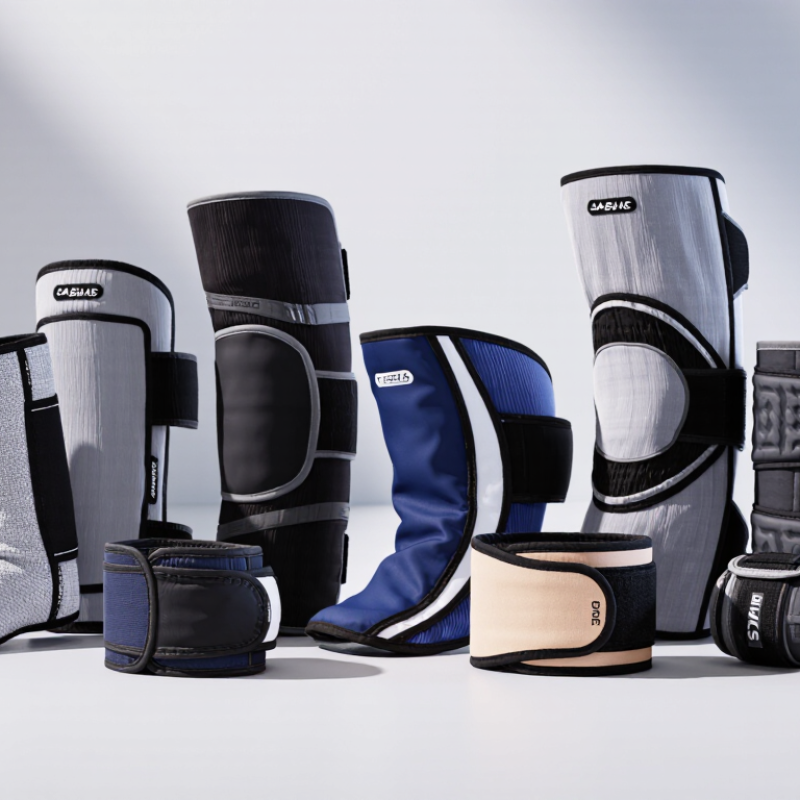
Orthopedic soft goods include braces, supports, compression garments, slings, and protective sleeves. They stabilize joints without the rigidity of full casts or hard orthoses. Many products use elastic fabric, foam padding, breathable mesh, or adjustable straps. The patient should feel supported, not trapped.
The World Health Organization reports that musculoskeletal conditions affect about 1.71 billion people worldwide. Its 2022 data highlights the scale of mobility-related care.
The Global Burden of Disease 2021 study also estimated that low back pain affected roughly 619 million people in 2020. These figures explain the demand for practical, wearable support.
A knee sleeve may reduce unwanted movement during rehabilitation.
A compression garment can help manage swelling when clinically appropriate.
Fit matters greatly. Poor sizing may cause discomfort, skin pressure, or reduced use.
Reliable suppliers should provide measurement guidance, material details, cleaning instructions, and traceable quality documentation. Clinicians also need consistent sizing across different patient populations.
Patient feedback is useful, but it is not enough. Skin checks and functional assessments remain important. Some products look comfortable yet become hot after several hours. That detail is easy to miss.
Care teams should review circulation, sensation, allergies, and daily activity before recommending use. Soft goods support care, but they cannot replace diagnosis, exercise planning, or professional follow-up.
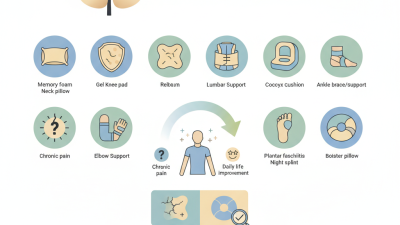
Choosing among the 10 Best Orthopedic Soft Goods Suppliers Worldwide requires more than comparing product prices. Start with material quality, construction, and clinical suitability. A knee brace should maintain its shape after repeated bending, while compression fabric should feel secure without creating pressure points. Ask for material specifications, testing records, sizing charts, and sample units before placing a large order.
Supplier experience also matters. Review their history with hospitals, rehabilitation centers, and medical distributors. Reliable suppliers can explain how they control stitching, seams, fasteners, and skin-contact materials. They should provide clear batch identification and consistent inspection records. Delivery performance deserves equal attention. Check production capacity, lead times, packaging methods, and procedures for handling damaged or incorrect shipments.
Communication reveals practical reliability. A capable supplier answers technical questions directly and admits limitations. A polished catalog can still hide weak after-sales support. Request references or anonymized performance data where appropriate. Product customization may help, but unnecessary changes can increase cost and delay production. Not every supplier with attractive certifications offers the same day-to-day quality. Evaluation teams should record findings, compare samples under realistic use, and revisit suppliers periodically. No scorecard is perfect. Human judgment still matters.
Leading global orthopedic soft goods suppliers usually organize products by body region, injury stage, and mobility need. Their core categories include knee braces, ankle supports, wrist splints, shoulder immobilizers, and back supports. These products may use neoprene, breathable knits, elastic laminates, or rigid inserts. Material choice affects warmth, skin comfort, stability, and cleaning.
Compression products form another important group. Suppliers offer sleeves, stockings, gloves, and post-operative garments in graduated pressure levels. Accurate measurement matters. A two-centimeter error can change comfort and clinical performance.
Orthopedic footwear, diabetic-friendly shoes, insoles, heel cups, and compatible inserts address alignment and pressure distribution. Some catalogs also include casting rolls, protective covers, hot and cold packs, exercise bands, and rehabilitation accessories. Product categories vary widely.
Professional buyers should check size ranges, adjustment systems, latex content, wash instructions, and documented material testing. Clear labeling supports safer fitting. Traceability records and consistent batch quality also matter for hospitals and distributors.
Yet no catalog is perfect. Sizing charts can overlook swelling, skin sensitivity, or unusual limb shapes. A strong supplier should provide fitting guidance and responsive technical support, not merely a long product list. Samples reveal practical problems quickly, such as rough seams, slipping straps, or closures that weaken after repeated use. Procurement becomes more reliable when clinical feedback, user comfort, and supplier documentation are reviewed together.
10 Best Orthopedic Soft Goods Suppliers Worldwide?
Regional Strengths of the Worldwide Orthopedic Soft Goods Market
Orthopedic soft goods suppliers reflect strong regional advantages, not just factory capacity. North America remains influential in clinical design and reimbursement-led product development. Grand View Research reports that the global orthopedic braces and supports market is expanding steadily, supported by sports injuries, aging populations, and outpatient care. The report identifies advanced healthcare systems as major demand centers. Fit matters more than appearance.
Europe shows strength in quality control, rehabilitation integration, and material performance. The World Health Organization’s Global Report on Health Equity for Persons with Disabilities highlights growing rehabilitation needs worldwide. European suppliers often respond with breathable textiles, adjustable compression, and documented testing. However, compliance language can become dense. Buyers should verify certificates, sizing data, and post-market procedures.
Asia-Pacific offers manufacturing scale, flexible customization, and competitive production costs. Several market studies, including Fortune Business Insights’ Orthopedic Braces and Supports Market report, forecast strong regional growth through the decade. Large populations and expanding hospital networks support demand. Yet low prices can hide inconsistent stitching or weak instructions. That risk deserves attention. Latin America and the Middle East are developing through import networks, local distributors, and rising rehabilitation access. Market estimates vary widely because soft goods are grouped differently across reports. That is a limitation worth admitting. Supplier comparisons should therefore examine clinical evidence, fabric durability, lead times, and fitting support—not rankings alone.
Population aged 65 and above is a key demand indicator for orthopedic soft goods, including braces, supports, compression products, and rehabilitation wearables. Europe and Central Asia, North America, and East Asia and the Pacific show the strongest demographic demand potential.
Data source: World Bank Open Data, “Population ages 65 and above (% of total),” 2023 regional aggregates. The indicator represents demographic demand potential rather than supplier revenue or market share.
Choosing among the 10 best orthopedic soft goods suppliers worldwide requires more than comparing prices. Clinical needs should guide every decision.
For postoperative patients, inspect support level, seam placement, padding, and skin contact. A knee sleeve for daily mobility needs different construction from a rigid recovery brace. Fit matters. Ask suppliers for detailed size charts and fitting instructions. Confirm whether staff can adjust products safely without special tools. Small errors can cause pressure points, slipping, or reduced patient confidence.
Rehabilitation clinics may prioritize durability and easy cleaning. Hospitals often need consistent sizing, traceable batches, and dependable delivery. Suppliers should provide material specifications, clinical-use guidance, and current regulatory documentation for each target market. Quality systems, such as ISO 13485 certification, can support confidence, but certification alone does not prove clinical suitability. Request samples and test them during realistic workflows. Check packaging, labeling, storage requirements, and replacement procedures. Do not ignore communication speed. Delayed answers may become delayed care.
A supplier may offer excellent products but poor education. Another may provide responsive service but limited customization.
Neither option is automatically right. Teams should record fitting outcomes and patient feedback over several weeks. Review the data with clinicians, procurement staff, and patients.
One weakness remains easy to miss: products that look comfortable during a five-minute fitting may fail after eight hours of movement. Reassess selection criteria when real-world use challenges the original assumptions.
© 2023 Bird & Cronin, LLC. All Rights Reserved.

In observance of the 4th of July holiday, our offices will be closed on July 3rd & 4th.