China Top Hydrolyzed Bovine Collagen Suppliers?

China has become a major sourcing hub for Collagen Hydrolyzed Bovine, supported by expanding food, nutrition, and cosmetic manufacturing. Its supplier base includes gelatin processors, peptide specialists, and contract manufacturers with export experience. Quality, however, varies widely.

Grand View Research estimated the global collagen market at approximately USD 9.1 billion in 2023. Its report also projected strong growth through 2030. IMARC Group reported a different market value because its research scope and product categories differ. That difference matters. Buyers should compare definitions before comparing supplier claims.

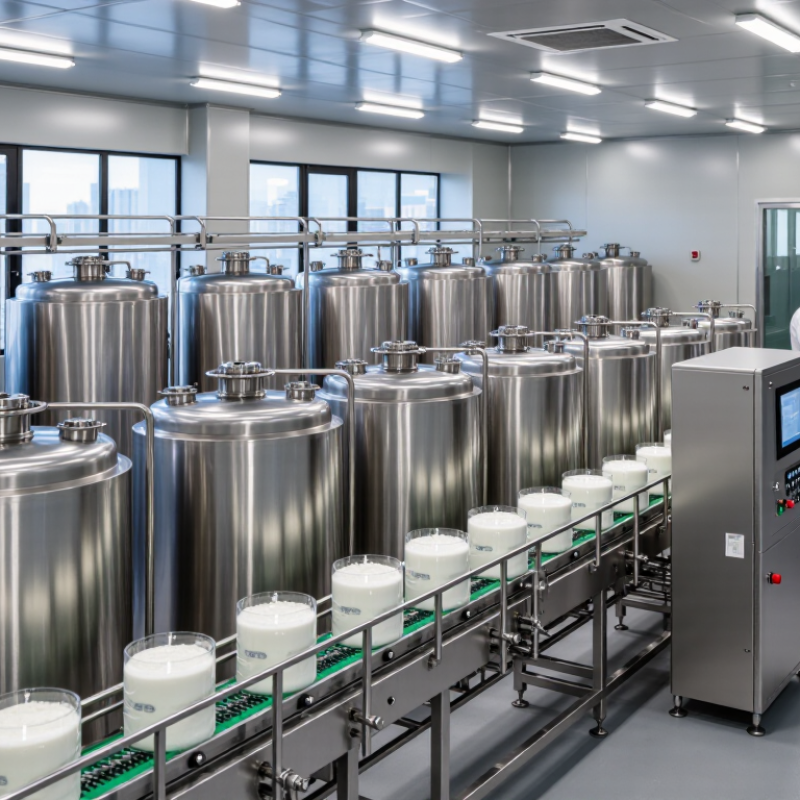
Collagen demand is moving toward traceable cattle sources, controlled hydrolysis, and application-specific molecular weights. A reliable Chinese supplier should provide origin documents, amino-acid profiles, peptide distribution, microbiological results, heavy-metal testing, and batch-level certificates. Factory audits reveal details that brochures often hide. Look for clean stainless-steel tanks, sealed packaging lines, and stable storage conditions.

Professor Keith Baar, a recognized collagen-tissue researcher, has stated, “Collagen is the most abundant protein in the human body.” The statement is simple. Supplier evaluation is not.

This guide examines leading Chinese suppliers through technical capability, certifications, production scale, customization, and export reliability. It also considers less visible risks, including inconsistent solubility, unclear bovine traceability, and unsupported absorption claims. Not every large factory is the best partner. Not every small supplier is unreliable. Some rankings may remain imperfect because private manufacturers disclose limited financial and production data. Therefore, each recommendation should be verified through current documentation, samples, independent testing, and a direct factory assessment.
China Top Hydrolyzed Bovine Collagen Suppliers?

Hydrolyzed Bovine Collagen: Definition, Forms, and Key Applications

Hydrolyzed bovine collagen is collagen broken into smaller peptides through enzymatic hydrolysis. These peptides dissolve more easily in water than intact collagen. Bovine sources mainly provide Type I collagen, commonly used in nutrition powders, capsules, beverages, and functional foods. Common forms include fine powder, granules, liquid concentrates, and ready-to-mix sachets. Powder remains practical for industrial blending.

Market data shows strong commercial interest. Grand View Research estimated the global collagen market at about USD 5.1 billion in 2023, with projected growth near 9.6% annually through 2030. MarketsandMarkets also reported expanding demand for collagen ingredients in food, supplements, and healthcare-related products. These estimates differ because each report uses different product definitions. That matters when comparing Chinese suppliers.

A reliable supplier should provide peptide-size data, protein content, moisture levels, amino-acid profiles, and batch-specific certificates of analysis. Testing should cover microbiological limits, heavy metals, allergens, and prohibited contaminants. Traceability should extend from cattle sourcing to final packaging. Ask for production-site quality certifications and recent independent test results. Do not rely only on a polished specification sheet.

Experience shows that clear dissolution at room temperature often reveals processing quality. A low price can be misleading. Some buyers also overlook odor, taste, and packaging stability during humid shipping. Supplier assessment should include sample testing, pilot production, and retained-batch checks. One limitation remains: collagen is not a complete protein, so formulation claims require careful nutrition review.


How to Evaluate Chinese Hydrolyzed Bovine Collagen Suppliers

How to Evaluate Chinese Hydrolyzed Bovine Collagen Suppliers

Choosing a Chinese hydrolyzed bovine collagen supplier requires more than comparing price lists. Ask for a complete specification sheet before discussing annual volume. It should state collagen origin, hydrolysis method, peptide size distribution, protein content, moisture, and ash. Request recent, batch-specific certificates of analysis, not generic templates. Check hydroxyproline results against total protein claims. Review microbiology, heavy metals, and contaminant testing. Traceability matters. The supplier should identify the slaughterhouse region, processing site, lot number, and storage conditions. A clear chain of records shows operational maturity. Sometimes, paperwork looks polished. That is not proof.

Evaluate technical behavior with samples from at least two production lots. Test solubility in cold water, odor, color, viscosity, and performance in your intended formula. A peptide powder may dissolve quickly yet create an unpleasant aftertaste. Record temperature, mixing speed, and hydration time during trials. Ask whether the factory follows recognized food safety systems and allows independent production audits. Confirm export documents, allergen statements, packaging controls, and shelf-life data. Verify that product claims match the destination market’s requirements. Speak with the quality manager, not only a sales representative. Slow answers can reveal weak controls. I would also compare retention samples after several weeks. My evaluation would remain provisional until repeated batches perform consistently. Supplier selection requires evidence and disciplined doubt.

China Top Hydrolyzed Bovine Collagen Suppliers? - How to Evaluate Chinese Hydrolyzed Bovine Collagen Suppliers

Evaluation Dimension What to Verify Practical Acceptance Benchmark Required Evidence Suggested Weight
Raw Material Traceability Origin of bovine hides, bones, or other permitted tissues; slaughterhouse and batch traceability; animal-health controls. Every finished-product lot can be traced back to documented raw-material batches and approved processing sites. Traceability procedure, supplier approval records, veterinary or origin documents, and a completed mock recall record. 15%
Food-Safety Management Implementation of HACCP or an equivalent preventive food-safety system, sanitation controls, pest control, and environmental monitoring. Documented hazard analysis, critical-control procedures, corrective actions, and routine internal verification. Current certification where applicable, HACCP plan, sanitation records, audit reports, and corrective-action logs. 15%
Quality-System Control Batch release, deviation management, change control, document control, calibration, and complaint handling. A controlled quality system with retained records and defined responsibilities for every production and testing stage. Quality manual, organization chart, standard operating procedures, audit history, and sample batch records. 10%
Product Identity and Purity Protein or collagen content, moisture, ash, pH, hydroxyproline, molecular-weight distribution, and solubility. A clearly defined specification is supplied, and at least three recent lots meet the same agreed limits. Specification sheet, certificate of analysis, validated test methods, and independent laboratory confirmation. 15%
Molecular-Weight Profile Average molecular weight and distribution, rather than only a broad marketing description such as “low molecular weight.” The supplier provides a test method, defined target range, and lot-to-lot results suitable for the intended application. Gel-permeation or equivalent analytical report, method details, chromatograms where available, and retention samples. 10%
Microbiological Safety Total aerobic count, yeast and mold, specified pathogens, and any customer- or market-specific microbiological requirements. Results comply with the destination market and product category requirements for every released lot. Recent microbiology reports, laboratory accreditation details, sampling plan, and pathogen-control procedures. 10%
Contaminant and Adulteration Control Heavy metals, residual solvents where relevant, prohibited substances, allergens, melamine, and undeclared non-bovine proteins. Testing is risk-based and aligned with the import country’s legal limits and the buyer’s finished-product requirements. Recent third-party reports, risk assessment, supplier declarations, and authenticity or species-identification testing. 10%
Regulatory and Export Readiness Ability to provide documents required for the destination country, including labels, certificates, declarations, and customs information. The supplier identifies the product category correctly and supports the buyer’s import, labeling, and registration review. Product dossier, regulatory declarations, certificate of origin, health or sanitary documents where required, and export records. 8%
Production Capacity and Lead Time Available production lines, annual capacity, minimum order quantity, standard lead time, and contingency planning. Capacity claims are supported by production records, and delivery performance is measured against agreed purchase-order dates. Capacity statement, production schedule, historical on-time-delivery data, and business-continuity plan. 4%
Packaging and Storage Packaging material suitability, moisture protection, lot coding, shelf-life validation, transport conditions, and warehouse controls. Packaging preserves powder quality through the stated shelf life under documented storage conditions. Packaging specification, stability or shelf-life data, warehouse records, product photographs, and shipping instructions. 3%
Commercial and Technical Service Sample policy, technical response time, customization capability, complaint resolution, and communication quality. Technical answers are consistent, documented, and delivered within the agreed service timeframe. Sample evaluation record, service-level agreement, complaint procedure, and references that can be independently verified. 0%–5%
Indicative Total Evaluation Weight 100%
Recommended qualification sequence: document review → sample testing → pilot order → on-site or remote audit → approval of the first commercial lot. Acceptance limits should be confirmed against the destination market, intended use, and applicable regulations.

Leading Supplier Types and Production Capabilities in China

China’s hydrolyzed bovine collagen suppliers generally fall into three groups: integrated manufacturers, specialized peptide factories, and trading companies. Integrated plants usually manage raw material sourcing, enzymatic hydrolysis, filtration, concentration, and spray drying in one facility. This structure can improve traceability and process control. Specialized factories may offer better molecular weight customization, such as low-molecular-weight collagen peptides for beverage applications. Trading companies can provide flexible sourcing, but their production visibility may be limited.

Production capability matters more than a polished catalog. Ask whether the supplier controls key steps or outsources them. Reliable facilities should provide batch records, raw material specifications, microbiological results, heavy metal testing, and origin documentation. Modern lines often use stainless-steel tanks, membrane filtration, vacuum concentration, and controlled-temperature drying. These details affect solubility, odor, color, and consistency. A clear specification should state protein content, moisture, ash, molecular weight distribution, and testing methods.

Tips: Request a small pilot batch before signing a large order. Compare dissolution in cold water, not only laboratory reports. Visit the facility when possible. Check cleaning records and calibration documents. One practical concern is often overlooked: excellent test results from one batch do not prove stable supply. Ask for three recent batch reports. Also, do not assume lower molecular weight always means better performance; the right range depends on the final product and processing conditions. Mistakes happen when buyers compare price before confirming actual specifications.

Quality Standards, Certifications, and Product Traceability

China’s hydrolyzed bovine collagen suppliers should be assessed beyond price and protein percentage. Grand View Research reported that the global collagen market reached approximately USD 9.1 billion in 2022, with continued growth expected through 2030. This expansion increases the need for documented quality controls. A reliable supplier should provide HACCP records, GMP evidence, and an ISO 22000:2018 food-safety certificate. Certifications alone are not enough.

Request a current certificate of analysis for every production lot. It should show peptide content, moisture, ash, microbiological limits, heavy metals, and prohibited residues. Bovine materials also require origin records and controls related to BSE and transmissible spongiform encephalopathies. Codex Alimentarius food-hygiene guidance supports preventive controls, sanitation, and verified hazard monitoring. Ask for production dates, lot numbers, processing sites, and testing laboratories. Traceability must work backward and forward.

Small details matter. The lot number should match the outer carton, inner bag, COA, and shipping documents. Supplier audits should test whether records can be retrieved within hours, not days. GS1’s traceability guidance emphasizes standardized identification across supply chains. Yet paperwork can still hide weak practice. A polished certificate may reflect only one batch. Independent testing is wise, especially for odor, solubility, and molecular-weight distribution. Some buyers also overlook storage humidity, which can affect powder flow and clumping. Verification is never perfect. That is the uncomfortable part.

Sourcing Considerations for International Buyers

China Top Hydrolyzed Bovine Collagen Suppliers?

Sourcing Considerations for International Buyers

International buyers evaluating Chinese hydrolyzed bovine collagen suppliers should begin with product identity, not price. Ask for bovine origin, tissue source, processing location, and hydrolysis method. A clear specification should state molecular weight distribution, protein content, moisture, ash, pH, and solubility. Request recent batch records. Do not rely on a polished brochure.

A credible supplier can provide a batch-specific certificate of analysis, microbiological results, heavy-metal testing, and traceability documents. Confirm whether testing is performed in-house or by an independent accredited laboratory. Compare the laboratory name, test date, methods, and acceptance limits. Small details matter. Request samples from at least two production batches, then test them through your own laboratory when possible. This step can reveal differences in odor, color, dispersion, or peptide profile. Some buyers skip it under time pressure. That can become an expensive lesson.

International compliance requires more than a familiar certificate. Check labeling rules, import documents, animal-origin declarations, and destination-market requirements before signing. Ask about halal or kosher status only when relevant, and verify the supporting documentation. Review packaging carefully: food-grade inner bags, sealed cartons, lot numbers, production dates, and storage instructions. Discuss temperature and humidity exposure during sea freight. A supplier may answer quickly, yet slow document control remains a warning sign. Keep every agreed specification in writing. The cheapest offer may exclude testing, stronger packaging, or stable delivery terms. One successful shipment proves very little.

In observance of the 4th of July holiday, our offices will be closed on July 3rd & 4th.