Choosing the right comfort fit begins with understanding how bodies, materials, and daily habits interact. Global buyers may compare rounded interiors, flexible uppers, padded edges, adjustable closures, ergonomic contours, and breathable linings. Yet no single design suits every customer.
Footwear biomechanics expert Dr. Benno Nigg described comfort as “the absence of discomfort.” His research reminds buyers that comfort fit is personal, dynamic, and influenced by movement. A shoe that feels gentle in a showroom may press against the toes after eight hours. A ring may feel smooth in cool weather but tighter on a warm afternoon. Small details matter.
This guide examines ten comfort fit types used across international markets. Each type reflects a different need, from wider toe boxes and stretch panels to seamless interiors and pressure-distributing structures. We will consider material resilience, sizing consistency, moisture control, and long-term wear. These factors are especially important when products cross regions with different climates, measurements, and consumer expectations.
Some assumptions deserve questioning. “Soft” does not always mean supportive. “Roomy” can also reduce stability. Even expert recommendations require real-world testing. Buyers should inspect size charts, return policies, product samples, and independent reviews before committing to large orders. Supplier transparency matters, too. Clear specifications build trust.
The best comfort fit balances freedom, support, durability, and appearance. It should feel natural during ordinary movement, not merely impressive in photographs. Expect variation. That is the honest starting point for comparing global comfort fit options.
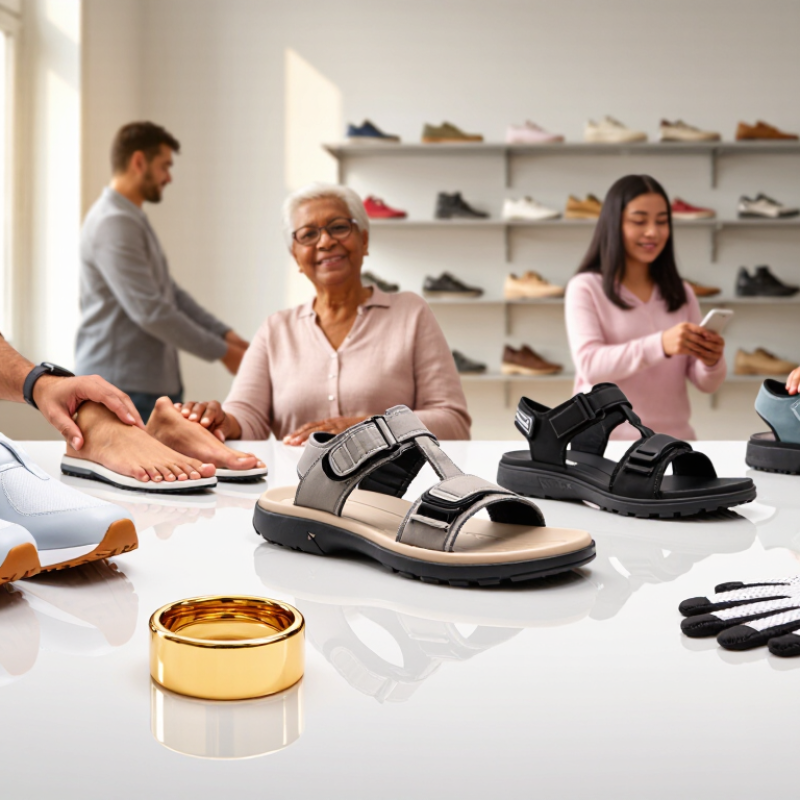
Comfort fit means more than softness in global product selection. It describes how naturally a product supports movement, pressure control, and daily use. The ten practical types include wide fit, contoured fit, cushioned fit, flexible fit, adjustable fit, lightweight fit, breathable fit, seamless fit, stable fit, and temperature-adaptive fit.
Each type solves a different discomfort. A wide fit helps users with broader feet or hands. Contoured shapes follow the body more closely. Cushioning reduces pressure during long use. Flexible materials support movement without stiffness. Adjustable designs handle different body shapes. Lightweight construction reduces fatigue. Breathable surfaces help in humid regions. Seamless finishes limit rubbing. Stable support improves control. Temperature-adaptive materials can feel cooler or warmer as conditions change.
However, comfort is not universal. A thick cushion may feel supportive to one buyer, but unstable to another. I have seen product tests favor softness while overlooking heat, sizing, and long-term support. That mistake can weaken global acceptance. Product teams should compare local measurements, climate data, user habits, and return feedback. Comfort claims also need repeatable testing, not attractive wording alone.
Test products with real users from several regions. Check fit after extended use, not only during a short trial. Offer clear size guidance and adjustable options. Keep records of pressure points, moisture, movement, and user comments. Leave room for revision. Human bodies rarely follow one perfect standard.
Comfort fit is not one fixed shape. It changes with body proportions, movement, fabric, and local sizing habits. The relaxed fit provides extra room through the chest, waist, or hips. Regular fit keeps balanced ease for everyday wear. Slim-flex fit follows the body but adds stretch for walking and sitting. Loose fit creates airflow and reduces pressure around sensitive areas. Ergonomic fit uses shaped panels to support natural movement. Contoured fit follows curves more closely, especially around the back, waist, or arch.
Adaptive stretch fit responds to motion without feeling tight. Adjustable fit uses drawcords, straps, or fasteners for personal control. Seamless fit reduces rubbing around shoulders, toes, or waistbands. Roomy-toe fit gives the forefoot more space while keeping the heel secure.
Small details matter. A soft edge can prevent marks. A firm heel can improve stability.
From practical fitting checks, comfort should be tested while standing, walking, and bending. Measure both feet when buying footwear. For clothing, compare garment measurements with a familiar item, not only the printed size. Regional size charts can differ, sometimes noticeably.
Even a carefully designed fit may feel wrong on a different body. I have found that extra room is helpful, but too much room can cause shifting and friction. Fabric recovery also changes after washing, so care instructions deserve attention. A quiet trial at home often reveals more than a quick mirror check.
Comfort depends on more than a garment’s labeled size. Body shape, proportions, and movement all change the best fit choice. Ten useful options include relaxed, regular, loose, slim, straight, athletic, curvy, petite, tall, and adjustable fits. Each supports a different body experience.
A fuller chest may need extra room across the front, while a narrow shoulder needs cleaner shaping. Curvier bodies often feel better with waist definition and hip ease. Straight shapes may prefer balanced measurements rather than added fabric. Petite buyers should check sleeve and rise lengths. Tall buyers need enough inseam and torso coverage. Size charts help, but measurements can vary between regions and manufacturers.
Movement reveals problems quickly. Lift both arms. Sit down. Walk several steps. Tightness at the shoulders, waist, or thighs signals restricted ease. Stretch fabrics may improve comfort, yet excessive stretch can lose support. Relaxed fits offer airflow, while athletic fits follow stronger shoulders and narrower waists. Adjustable fits can handle daily body changes, but drawstrings and elastic should not press into the skin.
Small details matter. Seams should lie flat. Cuffs should stay in place. Pockets should not pull the fabric sideways. A fit can look attractive while feeling wrong. That mistake is common, even during careful selection. The best choice combines body measurements, intended movement, fabric behavior, and honest wear testing.
Top 10 Comfort Fit Types for Global Buyers
Comparing Comfort Fit Types Across Global Markets
Global buyers rarely define comfort in the same way. Climate, walking habits, foot shape, and retail expectations all influence fit decisions. World Footwear’s 2024 Yearbook reported global footwear consumption near 20 billion pairs in 2023, showing the scale of this comparison.
The ten leading comfort formats include anatomical footbeds, wide toe boxes, stretch-knit uppers, padded collars, arch support, memory foam, rocker soles, adjustable straps, minimalist designs, and elastic slip-ons. North American shoppers often prefer generous cushioning and memory foam for daily walking. European buyers commonly value anatomical shapes, breathable materials, and stable arch support. East Asian markets often favor lightweight slip-ons and flexible stretch uppers. Hot regions need ventilated designs and secure adjustable straps. Small details matter.
Fit is personal.
Research from the American Podiatric Medical Association consistently links suitable footwear with better foot comfort and support. However, cushioning alone does not guarantee a good fit. A soft insole may feel pleasant initially, yet compress quickly under heavier use. Minimalist designs can improve flexibility, but they may not suit every wearer or walking surface. This is where buyer testing becomes essential. Measure both feet, check toe movement, and test fit at the end of the day. Grand View Research identifies comfort and performance as major footwear purchase factors, but market reports cannot replace real-world wear trials. Global preferences are useful signals, not absolute rules.
| Rank | Comfort Fit Type | Core Fit Characteristics | Primary Comfort Benefit | Markets and Buyer Contexts | Important Sizing Consideration |
|---|---|---|---|---|---|
| 1 | Standard Comfort Fit | Balanced room through the heel, instep and forefoot, without an intentionally loose or narrow profile. | Provides a familiar balance of support, stability and everyday mobility. | Broadly suitable for everyday buyers across Europe, North America, Asia-Pacific and the Middle East when accurate size conversion is provided. | “Standard” is not globally uniform; foot length, width and shape vary among populations and individuals. |
| 2 | Wide Comfort Fit | Extra horizontal room across the forefoot and, depending on the product, additional volume through the upper. | Reduces side pressure and accommodates broader feet or foot swelling. | Relevant in markets where buyers commonly request width options, including North America, parts of Europe and mature online footwear markets. | Width should be specified separately from length; a longer size is not a reliable substitute for a wider fit. |
| 3 | Extra-Wide Fit | Substantially more forefoot and upper volume than a standard or wide construction. | Supports users with naturally broad feet, bunion sensitivity or pronounced swelling. | Often considered for comfort-focused and adaptive footwear categories in North America, Europe and selected urban Asian markets. | Heel security is essential; excessive volume can cause slipping if the heel and instep are not held properly. |
| 4 | Relaxed Fit | A less restrictive shape with added room around the forefoot and upper, while retaining more structure than an oversized fit. | Improves all-day comfort for casual walking, travel and standing activities. | Commonly relevant to casual and lifestyle buyers in Europe, North America, Australia and urban international e-commerce. | The term is descriptive rather than a universal technical standard, so product measurements should accompany it. |
| 5 | Roomy Toe-Box Fit | Extra space at the toes, with enough length and height for natural toe movement rather than compression. | Allows toe splay and reduces crowding during walking or prolonged standing. | Appeals to walking, outdoor, occupational and comfort-oriented buyers globally, especially where long wear time is expected. | Toe-box width and height should be measured independently; extra length alone does not create functional toe room. |
| 6 | Anatomical Fit | Follows the natural outline of the foot, commonly combining a secure heel with a broader, more foot-shaped forefoot. | Supports natural movement and limits unnecessary pressure on the toes. | Increasingly relevant in wellness, walking, outdoor and minimalist-inspired categories across European, North American and international markets. | A natural shape still requires correct length, heel fit and adequate space above the toes. |
| 7 | Adjustable Fit | Uses laces, hook-and-loop closures, straps, elastic panels or other fastening systems to modify pressure and volume. | Adapts to daily changes in foot volume, socks and individual fit preferences. | Valued worldwide in workwear, walking, medical-adjacent, senior and adaptive comfort segments. | Fasteners must provide secure retention without creating pressure points; adjustability does not replace correct length. |
| 8 | Stretch Comfort Fit | Uses elastic or flexible upper materials that conform to the foot while maintaining basic structure. | Reduces rigid pressure and accommodates moderate changes in foot shape or volume. | Popular for travel, casual, indoor, recovery and easy-on footwear across warm and temperate global markets. | Stretch should be combined with adequate support and a stable heel to prevent excessive movement. |
| 9 | Contoured Support Fit | Combines a shaped footbed or insole with a secure heel area and structured support under the foot. | Improves perceived stability and can reduce fatigue during extended standing or walking. | Relevant to occupational, walking, travel and outdoor buyers in Europe, North America, Australia and other developed retail markets. | Support geometry is highly individual; comfort should not be presented as treatment for a medical condition. |
| 10 | Lightweight Flexible Fit | Uses a low-weight construction with a flexible upper and sole that allows easier foot movement. | Reduces the feeling of bulk and supports comfortable movement during commuting and daily activities. | Strongly relevant to warm-climate, travel, commuting and athleisure-oriented buyers across Asia-Pacific, Europe, North America and the Middle East. | Flexibility should occur in the appropriate forefoot area; excessive softness or poor heel control may reduce stability. |
Note: Fit terminology is not globally standardized. Buyers should compare foot length, ball girth, width, instep height and product-specific measurements rather than relying on labels alone.
Top 10 Comfort Fit Types for Global Buyers?
How Buyers Can Choose the Right Comfort Fit Type
Choosing a comfort fit type starts with the user, not the product label. Relaxed, regular, slim, straight, contoured, ergonomic, stretch, adjustable, high-rise, and low-rise fits serve different needs. A buyer should compare shoulder width, waist space, rise, sleeve length, and fabric recovery. Measurements matter more than names. A “regular fit” can vary widely between factories and regions.
Ask for a detailed size chart and a physical sample before placing a large order. Check how the material feels after sitting, walking, bending, or wearing layers. Cotton blends may feel soft, while structured fabrics can restrict movement. Stretch fabric helps, but excessive elasticity may lose shape. Small details matter. Check seams, waistbands, closures, and pressure points.
For international purchasing, test samples on users with different body shapes. Record measurements in centimeters and inches. Confirm tolerance levels, shrinkage, washing results, and packaging conditions. I once trusted a chart without checking the rise; the product fit the waist but felt uncomfortable when sitting. That mistake was avoidable. No chart is perfect. Buyers should also review return terms, inspection procedures, and production consistency. Comfort is personal, so collect feedback from real users instead of relying only on supplier descriptions. A slightly looser fit may work in warm climates, while layered clothing may require extra room in colder markets. Testing reveals what specifications cannot.
How buyers can choose the right comfort fit type: compare each design by adjustability, pressure distribution, toe-room, and compatibility with different foot shapes. The scores are comparative comfort-fit capability ratings, not market-share data.
How to choose: Select adjustable or stretch-fit designs when foot volume changes during the day. Choose wide, extra-wide, or anatomical toe-box designs when forefoot space is the priority. Orthotic-ready and removable-insole options are more suitable for buyers who need personalized support.
© 2023 Bird & Cronin, LLC. All Rights Reserved.

In observance of the 4th of July holiday, our offices will be closed on July 3rd & 4th.