What Are the Top Care Products Made in China?
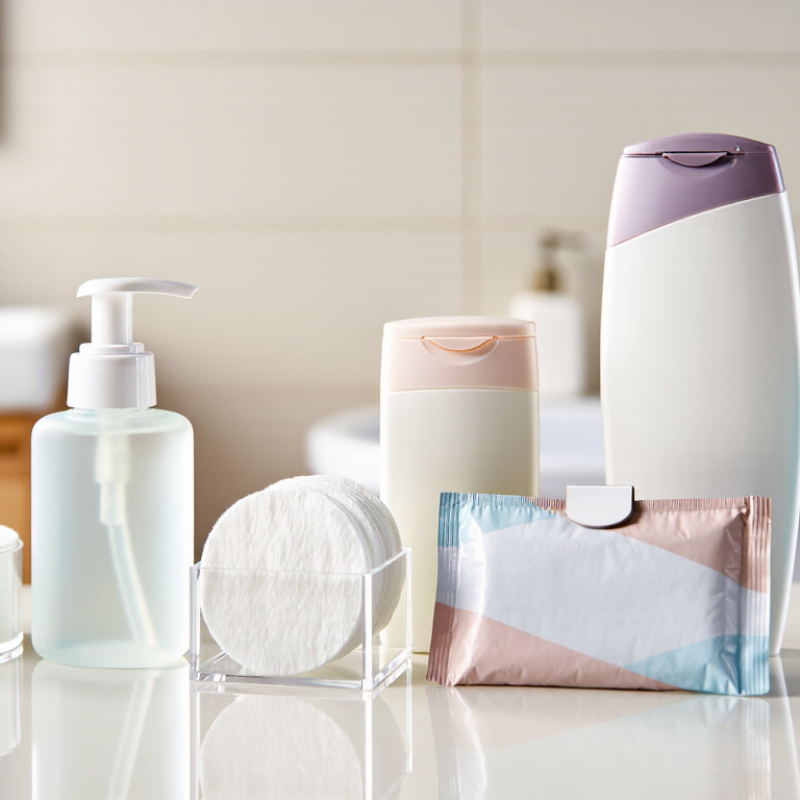
China’s care-product industry spans skincare, hair care, oral hygiene, baby care, and everyday personal-care essentials. A shopper may see moisturizers beside cotton pads, shampoo, toothbrushes, and travel-size cleansing wipes. These goods come from manufacturers with different specialties, production scales, and quality systems. That variety makes “top” a useful question, but not a simple ranking. It depends on what a buyer values: formula consistency, clear labeling, comfortable packaging, price, or dependable supply. Small details matter. A pump that dispenses evenly can improve daily use; a readable ingredient list helps people compare products more carefully. Not every attractive package signals strong performance.
This guide looks at leading care-product categories made in China and explains what distinguishes their better-known offerings. It considers product design, manufacturing experience, ingredient transparency, quality checks, and the evidence behind marketing claims. Certifications and regulatory requirements differ by destination, so buyers should verify current documentation rather than rely on a logo alone. Retailers can request samples, review batch controls, and assess whether a supplier can maintain consistent specifications. These steps do not guarantee a perfect product. They do reduce avoidable surprises. The market changes quickly, and public information about factories can be incomplete. That deserves caution. The aim is practical comparison, not blanket praise: identify promising products, ask better questions, and match each care product to its intended user and use. Good value is more than a low price. It includes safety, comfort, and reliable performance over time.
Defining Chinese-Made Care Products by Category and Intended Use
“Chinese-made care products” describes origin, not a single product type. Define them by category and intended use: skin care cleanses or moisturizes; hair care washes or conditions; oral care supports daily mouth hygiene. Household care products, such as detergents, serve surfaces and fabrics instead. The boundary is not always neat. Check the product’s stated use rather than guessing from its packaging.
Market figures offer useful context, but not a quality guarantee. China’s National Bureau of Statistics reported cosmetics retail sales of RMB 435.8 billion in 2024, up 2.8% year on year. This measures cosmetics sales, not every care-product category or factory output. For buyers, compare ingredients, container size, usage directions, and manufacturer details within the same category.
Tip: Match the product to its use. For a moisturizer, check whether it suits your skin type; for detergent, check fabric guidance. Look for clear batch and manufacturer information, and inspect seals for leaks. Small details matter. “Made in China” alone tells you little about suitability, and labels can still leave questions. Ask suppliers for product specifications and quality-test records before making a bulk purchase.
Mapping China’s Personal-Care Manufacturing Hubs and Supply Chains
China’s personal-care supply chain is best read as a network of specialized clusters, not one factory belt. Guangdong, particularly Guangzhou and Foshan, brings together formulation, contract filling, packaging, and component suppliers. Zhejiang adds strength in containers and everyday consumer-goods production, while Shanghai supports research, testing, and trade services. These roles overlap, and supplier directories do not always reveal a factory’s actual capacity.
Demand helps explain the network’s scale. China’s National Bureau of Statistics recorded 414.2 billion yuan in cosmetics retail sales in 2023. That figure measures domestic retail, not factory output, so it should not be treated as a manufacturing total. Buyers mapping suppliers can use National Medical Products Administration public records to check production licences, then verify capabilities directly: ask where batches are filled, how packaging components are sourced, and what testing documents are available. A pump that looks standard may still require a different mould or lead time. That detail gets missed. Regional concentration can shorten sourcing routes, but it does not guarantee consistent quality; audits and sample checks remain necessary.
Assessing Skin-Care Demand: NBS Reports ¥414.2B in Cosmetics Sales for 2023
What Are the Top Care Products Made in China?
Assessing Skin-Care Demand: NBS Reports ¥414.2B in Cosmetics Sales for 2023
China’s National Bureau of Statistics reported ¥414.2 billion in cosmetics retail sales for 2023. This figure offers a useful view of the market’s scale. It covers cosmetics overall, however, and should not be read as skin-care sales alone. Cleansers, moisturizers, and sunscreen are familiar parts of many routines, but the national total does not reveal which products sold best. Demand can also differ by age, climate, and shopping habits.
For shoppers, the number signals a large and active category, not a guarantee that every product suits every skin type. Check the ingredient list, intended use, and directions. Test a new product on a small area first. Results vary. I’d also avoid treating price or packaging as proof of quality; those cues can be misleading.
Tips: Match products to your routine, not just a trend. Choose a gentle cleanser and a moisturizer that feels comfortable on your skin. For sunscreen, check the labeled protection and follow the application directions. Keep notes when trying something new. It may feel a little tedious, but recording irritation or dryness can help you make a more informed choice.
Comparing Hair, Oral, and Baby Care Under Product-Specific Quality Standards
China-made care products are not one quality class; each category needs its own evidence. Hair products require controlled pH, surfactant levels, fragrance disclosure, and microbial stability. ISO 22716 provides cosmetics good-manufacturing-practice guidance, while ISO 11930 outlines preservative-efficacy testing. A shampoo’s first-use softness proves little. Repeated-use irritation and shelf stability deserve scrutiny.
For oral care, check fluoride content, abrasive performance, and batch consistency rather than relying on taste or foam. ISO 11609 sets requirements and test methods for dentifrices. The World Health Organization’s Global Oral Health Status Report (2022) estimates that nearly 3.5 billion people live with oral diseases. That figure signals the scale of need, not proof that any toothpaste prevents disease; product claims still need suitable evidence.
Baby lotions and washes call for careful ingredient review, contaminant controls, traceable batches, and clear age guidance. China’s Safety and Technical Standards for Cosmetics (2015 edition) provides ingredient and testing requirements, but compliance alone cannot show how a formula performs on every infant’s skin. Ask for relevant test reports, including irritation and microbiological results. The detail can be inconvenient. It is worth checking.
Checking Safety and Claims Under China’s Cosmetics Supervision Rules
What Are the Top Care Products Made in China?
Checking Safety and Claims Under China’s Cosmetics Supervision Rules
China-made skincare, haircare, and personal-care products should be judged by their documentation, not just polished packaging. The National Bureau of Statistics reported cosmetics retail sales of RMB 414.2 billion in 2023, a measure of the market’s scale rather than a safety rating. Under China’s Cosmetics Supervision and Administration Regulation, ordinary cosmetics generally require filing, while special cosmetics require registration. Product claims also need supporting evidence; the National Medical Products Administration requires companies to publish summaries of their claim-support evaluations. A “tested” label alone tells you little.
For buyers, check the product’s Chinese label, intended use, responsible company, and applicable filing or registration information. Read claims closely: “moisturizing” is more specific than a vague promise to transform skin. Safety assessments matter, too. Rules can be complex, and a neat label cannot reveal every detail. That limitation is worth remembering.
Tips:
Match the product name and use to its NMPA record where applicable. Check the ingredient list and directions before use, especially if your skin is sensitive. Keep the packaging and note any reaction. A small patch test helps, but it is not a guarantee.