Top 10 PCR Instruments for Global Buyers in 2026?
As we look ahead to 2026, the demand for efficient and reliable PCR instruments continues to grow. These devices play a critical role in various fields, from medical diagnostics to academic research. Selecting the right PCR instrument can significantly impact experiment outcomes. However, with numerous options available, making an informed choice can be challenging.
In this evolving landscape, understanding key features and advancements in PCR technology is essential. For global buyers, reliability and performance are paramount. Each instrument on the market has its pros and cons. Some may excel in speed, while others might offer greater accuracy. Buyers must carefully evaluate their specific needs and the capabilities of each machine.
Emerging trends indicate a shift toward more user-friendly devices with enhanced automation. Also, affordability remains a crucial factor. Balancing quality with cost is a challenge for many laboratories. Continuous innovation and competitive pricing will shape the future of PCR instruments. As buyers explore the top options, they must remain aware of evolving standards in technology and industry demands.
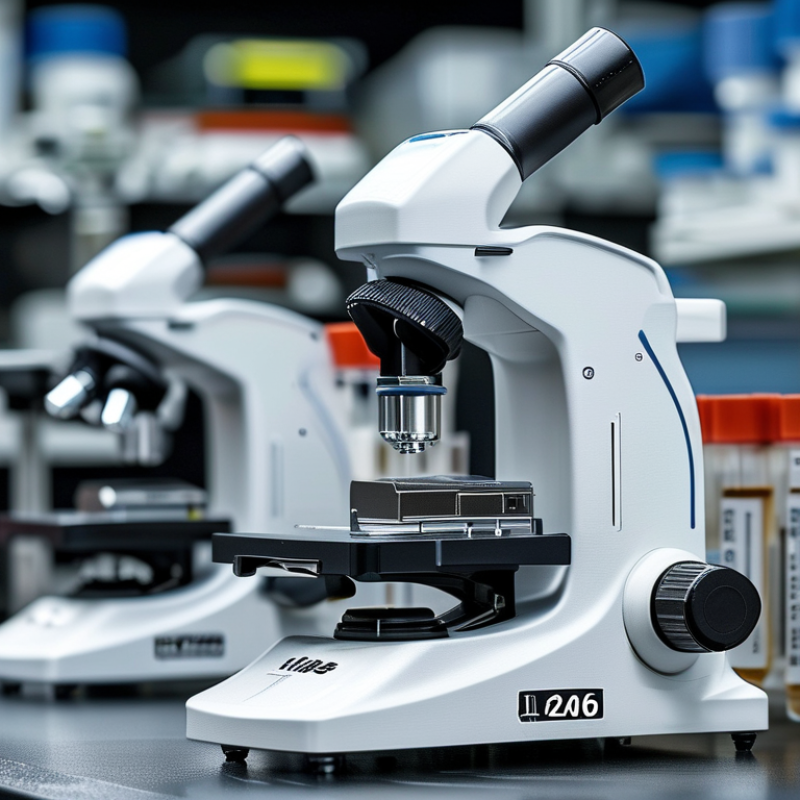
Overview of PCR Technology and Its Importance in 2026
Polymerase chain reaction (PCR) technology has transformed molecular biology. In 2026, its importance continues to grow across various industries. PCR enables rapid amplification of DNA, allowing scientists to conduct accurate analysis and diagnostics. This makes it essential in research, healthcare, and forensic science. As the demand for reliable testing methods increases, it is critical to evaluate the tools available for PCR.
The role of PCR instruments is vital. Their efficiency and precision directly impact research outcomes. In the current landscape, many instruments struggle with specific temperatures or reaction times. This can lead to inconsistent results, which is a significant concern for researchers. Selecting the right PCR instrument can enhance accuracy and reduce experimental errors. Without proper validation, even top-tier instruments can yield misleading data.
Moreover, the fast-paced nature of scientific discovery requires continual improvement in PCR technology. Researchers need tools that adapt to various sample types and volumes. Devices with user-friendly interfaces are also preferred, especially by those new to the field. While evolving hardware exists, it may not always meet the rigorous demands of advanced applications. The growing complexity of assays presents ongoing challenges that necessitate reflection and adaptation.
Criteria for Selecting PCR Instruments for Global Buyers
When selecting PCR instruments in 2026, buyers should focus on key criteria. Precision and accuracy in amplification are essential. The sensitivity of the instrument can significantly impact results. According to recent industry reports, the demand for high-throughput PCR systems is expected to rise by 25% annually. Such systems can increase efficiency in research and diagnostics.
Ease of use is another critical factor. Instruments should offer intuitive interfaces that streamline the workflow. Buyers also need to consider the software compatibility for data analysis. It is worth noting that nearly 40% of users reported challenges with software integration in previous models.
Cost-effectiveness remains a primary concern. Buyers often have to balance quality with their budget constraints. The initial investment in a reliable PCR instrument can be high. However, it can lead to lower operational costs in the long run. Research indicates that optimizing reagent consumption can save up to 15% annually. Evaluating these criteria carefully can lead to informed decisions in the dynamic PCR market.
Top 10 PCR Instruments for Global Buyers in 2026
| Rank | Instrument Type | Application | Throughput | Price Range (USD) | Warranty (Years) |
| 1 | Real-Time PCR | Quantitative Analysis | Up to 96 samples | $20,000 - $50,000 | 2 |
| 2 | Digital PCR | Highly Sensitive Detection | Up to 384 samples | $25,000 - $60,000 | 3 |
| 3 | Gradient PCR | Optimization Studies | Up to 48 samples | $10,000 - $30,000 | 2 |
| 4 | NanoPCR | Micro Sample Analysis | Up to 12 samples | $5,000 - $15,000 | 1 |
| 5 | Multiplex PCR | Simultaneous Detection | Up to 96 samples | $15,000 - $40,000 | 2 |
| 6 | Portable PCR | Field Testing | Up to 16 samples | $3,000 - $12,000 | 1 |
| 7 | High-Throughput PCR | Large Scale Studies | Up to 384 samples | $30,000 - $70,000 | 3 |
| 8 | Automated PCR | Workflow Optimization | Up to 96 samples | $40,000 - $90,000 | 5 |
| 9 | Microfluidic PCR | Miniaturized Testing | Up to 24 samples | $8,000 - $20,000 | 2 |
| 10 | Thermal Cycler | Basic PCR Applications | Up to 48 samples | $1,000 - $5,000 | 1 |
Top 10 PCR Instruments: Feature Comparison and Specifications
PCR instruments are becoming essential in many laboratories worldwide. When considering the top products in 2026, it’s vital to compare their features and specifications. Key factors include thermal cycling speed, sample capacity, and user-friendly interfaces. Look for instruments that offer real-time PCR capabilities to improve efficiency.
Tips: Focus on instruments that provide intuitive software. This can save time during the setup process. Enhanced data analysis features also facilitate better research outcomes.
Another important aspect is the compact design. Space is often a constraint in many labs. A smaller footprint can greatly enhance workspace optimization. However, ensure that the chosen instrument does not compromise performance.
Instruments should allow for flexibility with various sample types. This ensures adaptability in experiments. Pay attention to specifications like temperature accuracy and uniformity. Instruments that offer an extensive temperature range are often more versatile.
Tips: Regular software updates can keep the instrument running efficiently. Staying informed about technological advancements is crucial for long-term investment.
Market Trends and Innovations in PCR Technology for 2026
The field of PCR technology is evolving rapidly. In 2026, several trends and innovations may shape the landscape. With the rise of automation, PCR instruments will likely feature enhanced user interfaces. These advancements will help streamline workflows, making processes more efficient.
Collecting data and analyzing results will become simpler with integrated software solutions. The demand for real-time PCR systems will continue to grow, reflecting the need for speed and accuracy. Innovations in thermal cycling will enhance the precision of temperature control.
When considering PCR instruments, look for features that align with your laboratory's needs. Evaluate your specific requirements and possible future needs. Factors like sample volume and throughput can impact your decision.
Regular training on new technologies is essential. Your team's expertise can greatly affect results. Stay informed about the latest trends to make the best choices for your lab. The journey of adopting new PCR technologies may come with challenges; reflection on past experiences will guide better decisions.
Future Prospects: The Evolution of PCR Instruments Beyond 2026
The evolution of PCR instruments is a fascinating journey. As we look beyond 2026, the technology is expected to undergo significant changes. Researchers are increasingly focused on enhancing sensitivity and speed. New materials and innovative designs will likely make these instruments more efficient. Miniaturization is a trend that's gaining momentum. Smaller devices could enable easier integration into various laboratory settings.
However, challenges remain. Balancing cost and performance is a critical concern. Many labs may struggle to afford cutting-edge technology. The need for training is another hurdle. Users must be familiar with these advanced systems to maximize their potential. As instruments become more complex, so does the need for accessible education and support.
Collaboration among scientists, engineers, and manufacturers will be vital. Open discussions can drive innovation and improve reliability. This collective effort can help address the uncertainties in PCR technology. Future advancements in data analysis and automation are also on the horizon. They could transform how results are processed and interpreted. The future looks promising, but it demands ongoing reflection and adaptability from all stakeholders in the field.