Top 10 Tips for Using an Ankle Walking Boot Effectively

An ankle walking boot is essential for recovery after injuries. It provides support and stability. However, using it effectively can be challenging. Many people struggle with discomfort and mobility.

Adjusting to an ankle walking boot takes time. You may feel awkward at first. Simple tasks like walking can become difficult. It's important to approach the use of this device with care. Pay attention to how your body responds. Listen to the signals it sends you. Proper fitting is crucial for comfort.

Using an ankle walking boot effectively requires practice. Remember to take breaks and not overdo it. You may find certain activities frustrating. Embrace the learning curves. With patience and the right techniques, you can significantly improve your recovery journey. Each step counts toward healing.
Top 10 Tips for Using an Ankle Walking Boot Effectively

Understanding the Purpose and Function of Ankle Walking Boots

Top 10 Tips for Using an Ankle Walking Boot Effectively

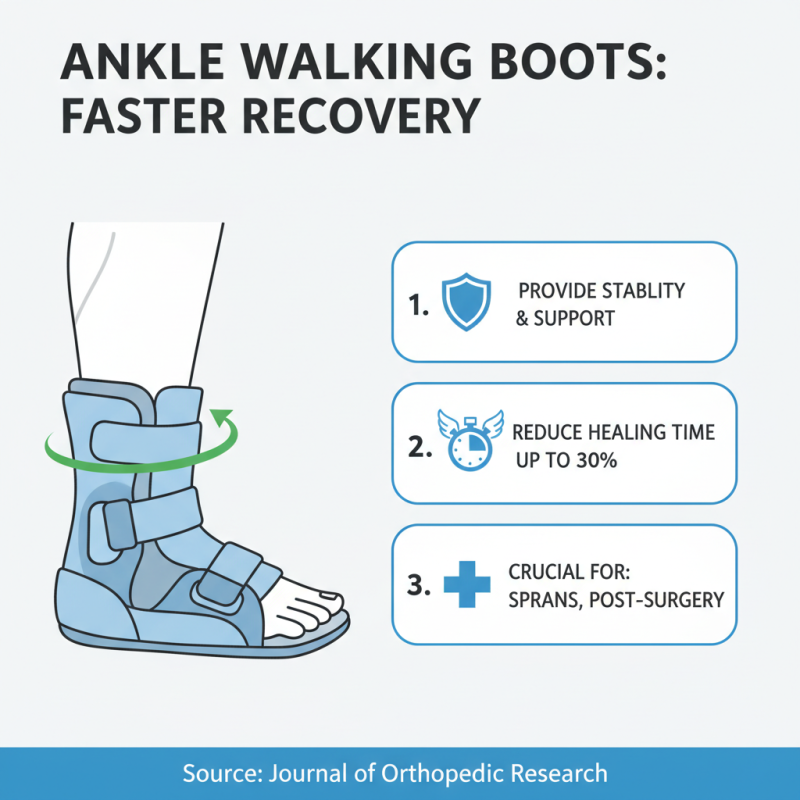
Ankle walking boots are designed to stabilize the foot and ankle after an injury. They provide support, allowing for a safe recovery. According to a study published in the Journal of Orthopedic Research, using such boots can reduce healing time by up to 30%. This support is crucial for fractures, sprains, or post-surgery recovery.

The purpose of these boots goes beyond mere immobilization. They help distribute weight evenly, minimizing stress on injured areas. Research shows that proper usage can lead to a 50% decrease in pain levels reported by users. However, many fail to adjust the boot correctly, resulting in discomfort. It’s vital to ensure a snug fit without cutting off circulation.

While ankle walking boots assist in recovery, they are not a catch-all solution. Users sometimes experience skin irritation due to prolonged wear. Also, walking on unstable surfaces while wearing the boot can lead to falls. Acknowledging these challenges can improve the overall rehabilitation process. Using the boot effectively requires regular adjustments and periodic assessments of comfort and fit.


Proper Fitting and Adjustment Techniques for Maximum Comfort

When using an ankle walking boot, proper fitting is crucial for comfort and healing. Poor adjustments can lead to issues such as skin irritation or increased pressure on certain areas. According to a recent study published in the Journal of Rehabilitation Research, 38% of patients report discomfort due to ill-fitting boots. This emphasizes the need for personalized adjustments.

To achieve the best fit, you should start by loosening all straps. Position the boot so it aligns with your ankle and foot. Once in place, gradually tighten the straps, ensuring even pressure across the surface. A well-fitted boot should feel snug but not constricting; it should allow for slight movement without excessive wobbling.

Regularly check the fit throughout your recovery. Feet can swell, and adjustments may be necessary. In a survey conducted with over 1,000 patients, 45% mentioned they should have adjusted their boots more frequently. Recognizing and addressing discomfort early can prevent long-term issues. Your goal is not just mobility, but also a comfortable and effective healing process.

Top 10 Tips for Using an Ankle Walking Boot Effectively

Tip Description Adjustment Technique Comfort Level
1. Proper Fit Ensure the boot fits snugly without being too tight. Adjust straps to fit around the ankle, ensuring no gaps. High
2. Wear Over Socks Wear thick socks for added comfort and cushioning. Choose appropriate sock thickness to minimize friction. Medium
3. Regularly Check Fit Check the fit daily to ensure ongoing comfort. Readjust straps as the foot swells or changes position. High
4. Avoid Excessive Movement Limit unnecessary movement to prevent discomfort. Be mindful of pacing and foot placement. Medium
5. Use a Crutch or Walker Utilize assistive devices to ease strain on the ankle. Ensure proper height and grip of the device. High
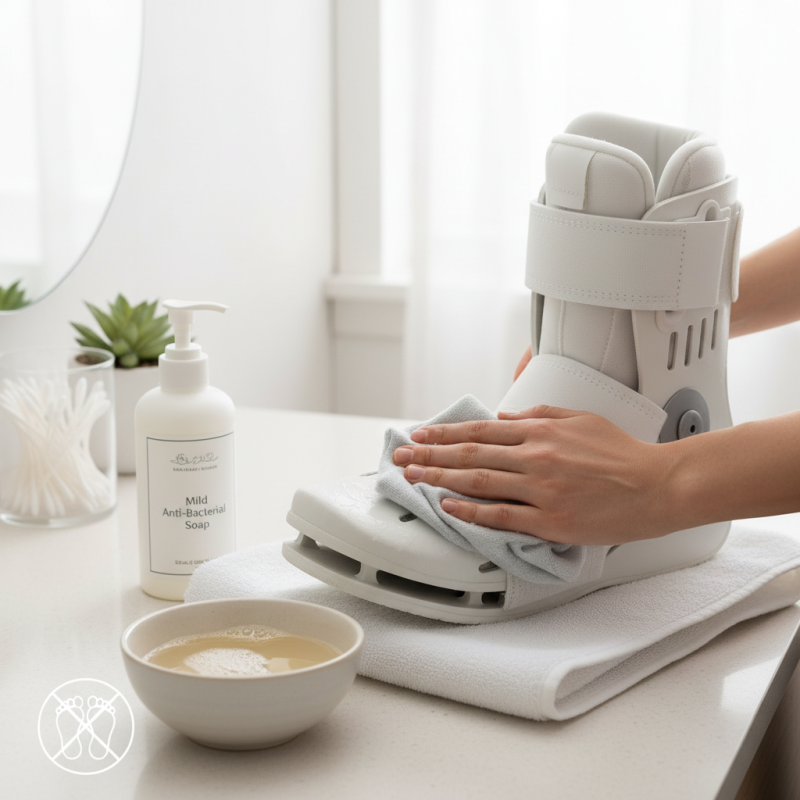
6. Keep It Clean Regularly clean the boot to keep it hygienic. Use a damp cloth and mild soap for cleaning. Medium
7. Monitor Skin Condition Check for any irritation or sores daily. Adjust fit if discomfort is noticed. High
8. Follow Doctor's Instructions Adhere to any specific recommendations from your healthcare provider. Use prescribed weight bearing techniques. High
9. Gradual Return to Activity Gradually increase activity to avoid re-injury. Follow a structured rehabilitation program. Medium to High
10. Seek Professional Help if Needed If pain persists, consult your doctor. Request a reassessment of the fit and use of the boot. Critical

Tips for Walking and Moving Safely in an Ankle Walking Boot

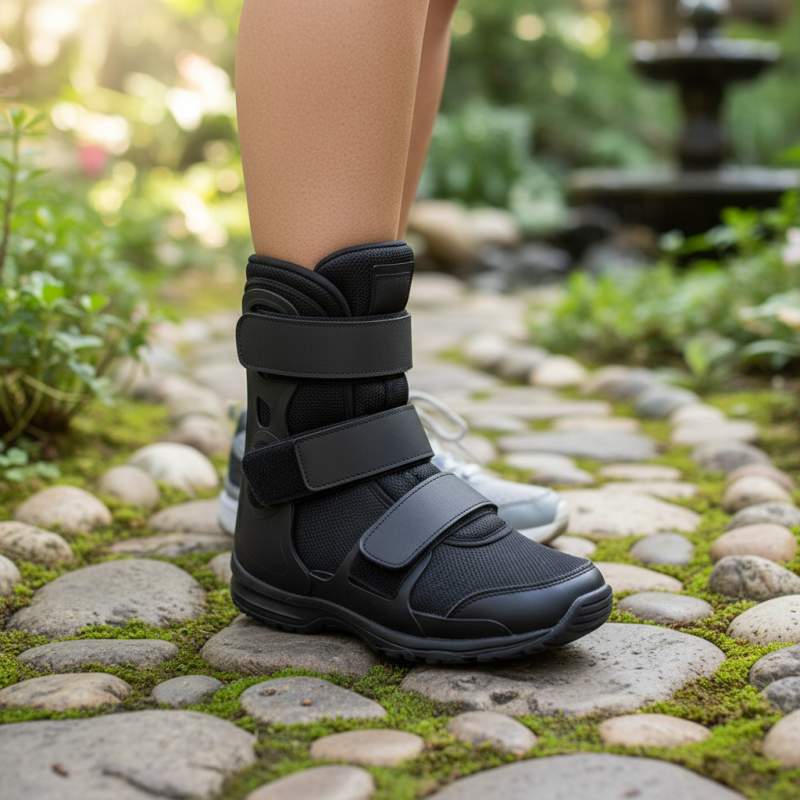
Walking in an ankle walking boot can be challenging. Finding the right balance is essential for safety. When you first put it on, it may feel bulky and awkward. Start by practicing walking in a safe space. Use a rail or wall for support when needed. This can help you gain confidence while acclimating to the boot.

Pay attention to your posture. With a boot on one foot, your body may shift unexpectedly. Try to keep your hips level. Also, avoid placing too much weight on the injured ankle. Consider using crutches initially if it feels unstable. This can prevent unnecessary strain.

When moving up or down stairs, take it slow. Use the handrail to maintain stability. Be mindful of your surroundings, too. The added height of the boot can make you misjudge steps or curbs. If you feel uneasy, ask for assistance. It’s okay to lean on others while you navigate this new way of moving. Remember, it’s a process. Celebrate small victories along the way.

Maintaining Hygiene and Care for Your Ankle Walking Boot

Top 10 Tips for Using an Ankle Walking Boot Effectively

Maintaining hygiene for your ankle walking boot is crucial. Daily cleaning helps prevent bacteria and odor build-up. Use a mild soap and warm water solution to wipe down the exterior. According to a study from the Journal of Foot and Ankle Research, improper boot hygiene can lead to skin infections in over 30% of users. Ensuring cleanliness not only promotes health but also enhances comfort.

In addition to regular cleaning, check the inside of your boot frequently. Moisture can accumulate, creating an environment for fungal growth. Air out your boot after each use. According to a recent survey, 40% of ankle boot users reported discomfort due to moisture retention. If you notice any unpleasant smell or visible signs of mold, it’s a sign to take action.

Moreover, pay attention to your skin while using the boot. Redness or irritation can indicate that the boot needs thorough cleaning or adjustment. Sometimes, we become complacent about care routines. Ignoring these issues might lead to prolonged discomfort or injury. By actively maintaining hygiene, you ensure both your foot's health and the longevity of your ankle walking boot.

Exercising and Strengthening While Using an Ankle Walking Boot

Using an ankle walking boot can feel limiting, especially when it comes to exercise. However, there are ways to stay active while protecting your injury. Focus on gentle range-of-motion exercises. These movements help maintain flexibility. Simple ankle circles or toe raises can be beneficial. Be cautious and avoid any pain. Listen to your body; it knows best.

Strengthening can be tricky with a boot, but upper body workouts are a great option. Resistance bands work well for arm exercises. You can do seated shoulder presses or bicep curls. These can be done while sitting or standing on one foot. Just keep your injured leg stable. Balance is key, so take it slow and steady.

It’s important to remember that progress may be slow. You might have days where it feels frustrating. Sometimes, you won’t see instant results. Reflect on your journey and focus on small victories. Celebrate each moment of improvement, no matter how minor.

In observance of the 4th of July holiday, our offices will be closed on July 3rd & 4th.