Top Sleep Monitoring Technology Trends You Should Know?
Sleep Monitoring Technology has rapidly evolved, becoming essential for improving sleep health. According to a report by Grand View Research, the global sleep tracking market is projected to reach $4.3 billion by 2025, reflecting the growing interest in sleep quality. Advances in wearable devices and smartphone applications empower users to track their sleep patterns. This shift toward personalized health is significant, as poor sleep is linked to various health issues.
Many users are still unaware of the limitations of current sleep monitoring technology. These devices typically track movements and heart rates. However, they often fail to monitor brain activity accurately. A study published in the Journal of Clinical Sleep Medicine revealed that many consumer devices misinterpret sleep stages. Understanding these nuances is crucial for users aiming for better sleep quality.
As the demand for sleep monitoring technology rises, manufacturers are faced with the challenge of ensuring accuracy and reliability. Users must critically evaluate the information provided by these devices. Reliable data can lead to better sleep health, but it requires informed decisions and realistic expectations about what these technologies can offer.
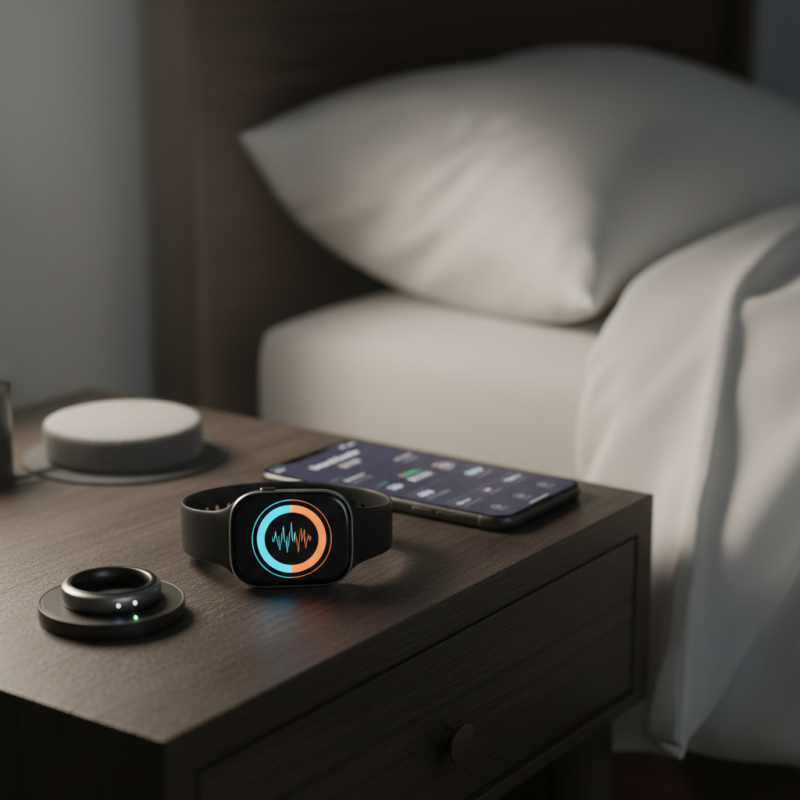
Emerging Sleep Monitoring Technologies in 2023: A Comprehensive Overview
In 2023, the evolution of sleep monitoring technologies offers new insights into our nightly rest. Wearable devices have become more sophisticated, utilizing advanced sensors to track sleep stages accurately. Many now incorporate heart rate variability and oxygen saturation levels, enhancing the depth of data collected. Users can easily access their sleep patterns through intuitive apps, providing a user-friendly experience.
Innovative approaches are also emerging, such as smart mattresses that adjust firmness based on sleep quality. These mattresses analyze body movements and pressure points, offering a personalized sleep environment. However, while technology can greatly aid sleep monitoring, it raises concerns about privacy and data security. Users must be cautious about sharing sensitive information with app developers.
Moreover, the accuracy of sleep tracking is not always perfect. Technologies can misinterpret data, leading users to draw misleading conclusions about their health. Continuous improvements are needed to refine algorithms and enhance reliability. Relying solely on technology may sometimes overshadow fundamental practices, like a consistent sleep schedule and a calming bedtime routine. Prioritizing these traditional methods alongside new tech can lead to better sleep quality.
Top Sleep Monitoring Technology Trends You Should Know
| Technology | Key Features | Potential Benefits | Market Trends |
| Wearable Sleep Trackers | Heart rate monitoring, sleep phase tracking | Personalized sleep insights, health analysis | Increasing consumer adoption, integration with health apps |
| Smart Mattresses | Temperature control, adjustable firmness | Enhanced comfort, improved sleep quality | Rise in luxury bedding markets, smart home integration |
| Sleep Apps | Meditation guides, sleep soundtracks | Ease of access to sleep improvement tools | Growing popularity among millennials and Gen Z |
| AI Sleep Coaches | Personalized coaching based on sleep data | Tailored recommendations for better sleep habits | Emerging interest in personalized health solutions |
| Sleep Monitoring Sensors | Non-contact tracking, data analytics | Less intrusive sleep tracking, real-time feedback | Innovations in IoT, growth in healthcare applications |
Wearable Devices: Trends in Sleep Tracking Accuracy and User Adoption
Wearable devices have transformed the way we track our sleep. The advancements in technology have significantly improved the accuracy of sleep monitoring. Sensors now measure heart rates, body movements, and even sleep stages. This data helps individuals understand their sleep quality better. They can see how long they sleep and the cycles they go through. However, some devices still struggle with accuracy. User-reported data can sometimes conflict with device readings.
User adoption of sleep trackers continues to rise. People are becoming more aware of the importance of sleep. They want to optimize their nightly rest for better health. Many users appreciate personalized insights offered by these devices. However, some users find the data overwhelming. Not every individual understands how to interpret the metrics. This can lead to confusion rather than clarity.
Moreover, wearable devices still face limitations. Battery life is often short, leading to frequent recharges. Some users also express concerns about comfort while sleeping. In fact, consistent overnight wear can feel intrusive. As technology evolves, these challenges will need addressing. Engaging with users can help manufacturers fine-tune their offerings. Balancing innovation with user experience remains critical in this space.
Smart Home Integration: The Future of Sleep Monitoring Automation
As technology evolves, smart home integration becomes crucial in sleep monitoring. Recent studies from industry reports indicate that nearly 70% of consumers prioritize sleep quality. Smart devices can play an essential role. They track sleep patterns, monitor temperature, and even control lighting. Automated responses to your sleep environment may significantly enhance restfulness.
Smart home systems can collect valuable data. For instance, a smart mattress syncs with wearable devices. It adjusts firmness based on sleep stages. This technology responds in real time, leading to improved sleep quality. However, challenges remain in ensuring data privacy and accuracy. Not all users may fully trust these systems.
The market for sleep monitoring technology is growing rapidly. By 2026, it is expected to reach $16 billion. Yet, some consumers feel overwhelmed by choices. Simplifying the user experience is vital. Public awareness is needed to understand how integration can improve sleep health. Enhancing automation through smart home devices requires ongoing reflection. Are consumers ready for this change?
AI-Driven Insights: The Role of Machine Learning in Sleep Health Analysis
In recent years, AI-driven insights have transformed the landscape of sleep health analysis. Machine learning algorithms now analyze vast amounts of sleep data to generate actionable insights. According to research, around 45% of adults experience sleep issues at some point in their lives. The integration of AI helps to identify patterns that may not be visible to human observers.
Machine learning technologies can track sleep stages, monitor heart rate, and assess breathing patterns. A report from the Sleep Research Society highlights that AI can improve accuracy by up to 80% in diagnosing sleep disorders. By processing data from wearables or sleep studies, these algorithms provide personalized recommendations. However, the reliance on technology raises concerns about data privacy. Users must be cautious about what they share and how it's used.
Despite advancements, this technology is not without flaws. Algorithms can misinterpret individual sleep data due to various factors like lifestyle or health conditions. This can lead to incorrect conclusions about sleep quality. It's essential for users to approach AI-driven insights critically, understanding that they are a tool—not an absolute solution. Balancing technology with personal awareness is key for achieving optimal sleep health.
Trends in Sleep Monitoring Technology (2023)
This bar chart illustrates the adoption rate of various sleep monitoring technology trends in 2023. As seen, AI Integration and Wearable Devices lead the adoption, reflecting the growing reliance on technology for sleep health analysis.
Market Growth: Key Statistics on the Sleep Tech Industry's Expansion
The sleep technology industry is expanding rapidly. According to a recent report by Allied Market Research, the global sleep tech market is expected to reach $101.9 billion by 2028. This growth reflects an increasing awareness of sleep disorders and the need for better sleep quality. Improved health outcomes are driving consumer interest in sleep tracking devices and apps.
Data from Grand View Research indicates a compound annual growth rate of 17.5% from 2021 to 2028. This robust growth highlights a rising trend in incorporating technology into personal health management. People are seeking innovative ways to monitor their sleep patterns effectively. The rise of wearable devices is evident, as many individuals use smart gadgets to track sleep metrics like REM cycles and disturbances.
Despite this growth, challenges exist. Many sleep-tracking technologies require users to adapt to new habits. Relying too much on data can lead to anxiety about sleep quality. Additionally, the accuracy of some devices varies significantly. Sleep tech may improve overall awareness, but it can also create pressure to achieve "perfect" sleep, leading to potential negative effects. Balancing data insights with personal intuition remains crucial for optimizing sleep health.