10 Essential Tips for Wheelchair Assist to Enhance Accessibility
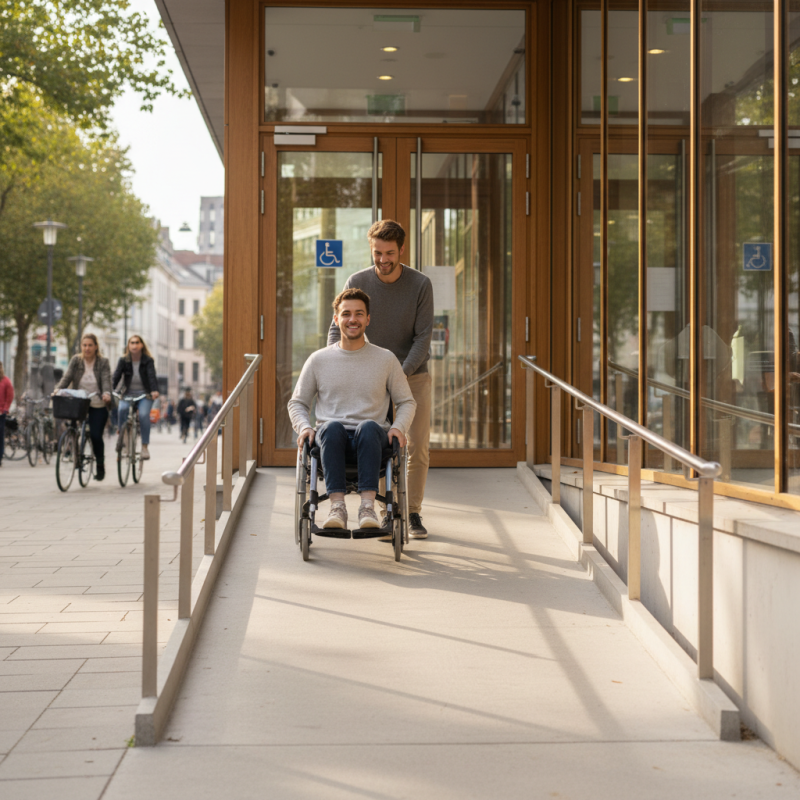
In today's world, accessibility is fundamental for individuals who rely on wheelchair assist. Enhancing accessibility can empower users and create inclusivity. Wheelchair assist plays a vital role in ensuring that everyone can navigate various environments with dignity and ease.
Understanding the specific needs of wheelchair users is essential. Many places still lack adequate ramps or proper signage. An unexpected obstacle can lead to frustration and feelings of exclusion. Therefore, awareness and proactive measures are necessary to improve accessibility.
By focusing on key strategies and adjustments, we can foster a more supportive environment. Simple changes can make a significant impact. Every effort counts in making spaces welcoming for all. It's crucial to continually reflect on how we can better serve wheelchair users in our communities.
Understanding Wheelchair Accessibility Needs
Understanding wheelchair accessibility needs is crucial for fostering inclusion. According to the World Health Organization, 15% of the global population lives with some form of disability. This figure underscores the importance of making spaces accessible. Simple modifications can significantly enhance life quality for wheelchair users.
Many public spaces lack essential features. For instance, ramps may be too steep or narrow. Width is vital; a wheelchair typically requires a minimum of 32 inches to maneuver through doorways comfortably. Yet, many buildings still have doors that are only 28 inches wide. Such gaps illustrate the need for awareness and improvement.
Moreover, effective signage is often overlooked. Clear, intuitive signs can guide wheelchair users easily. According to a study by the American Institute of Architects, 72% of surveyed individuals believe improved signage enhances their experience. Accessibility isn't just about compliance; it's about creating environments where everyone can thrive.
10 Essential Tips for Wheelchair Assist to Enhance Accessibility
| Tip Number |
Tip |
Description |
Importance Level |
| 1 |
Clear Pathways |
Ensure that pathways are free from obstacles like furniture and other debris. |
High |
| 2 |
Accessible Entrances |
Install ramps and automatic doors to facilitate easy access. |
High |
| 3 |
Proper Signage |
Use clear and easy-to-read signs to guide wheelchair users. |
Medium |
| 4 |
Accessible Restrooms |
Ensure restrooms are equipped with wheelchair-accessible stalls. |
High |
| 5 |
Level Surfaces |
Avoid uneven surfaces to prevent accidents and ensure smooth navigation. |
High |
| 6 |
Companion Assistance |
Provide options for companions to assist when needed. |
Medium |
| 7 |
Education and Training |
Educate staff on how to assist wheelchair users effectively. |
Medium |
| 8 |
Regular Maintenance |
Ensure all access points are well-maintained and operational. |
High |
| 9 |
Tech Integration |
Incorporate technology to assist with navigation and access. |
Medium |
| 10 |
Feedback Mechanism |
Create a way for users to provide feedback on accessibility issues. |
High |
Key Features of Assistive Wheelchairs
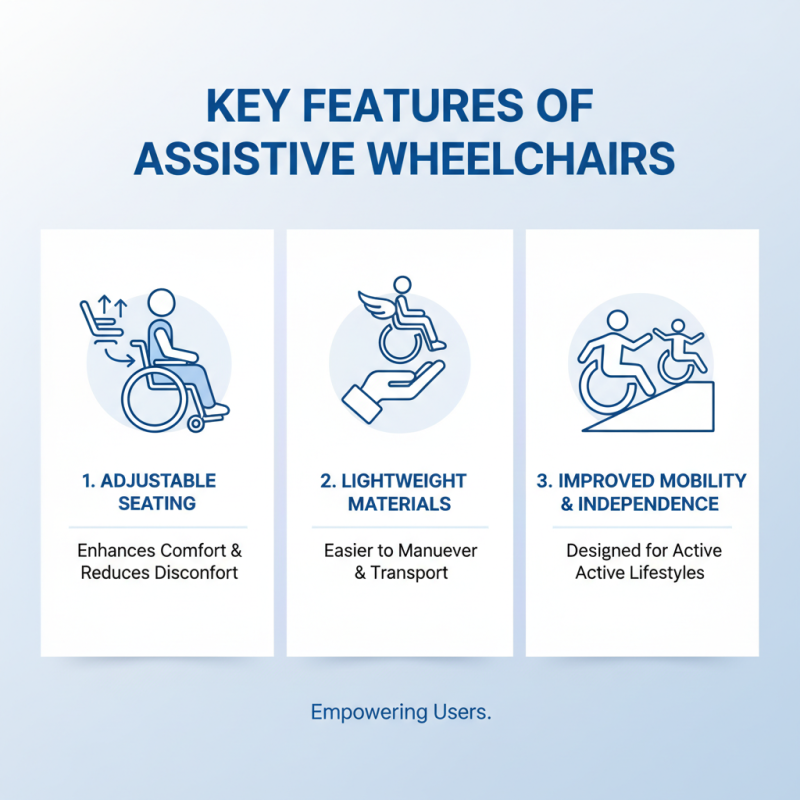
When considering assistive wheelchairs, understanding their key features is essential. These wheelchairs are designed to improve mobility and independence for users. Adjustable seating, for instance, enhances comfort. It allows users to find their ideal position, reducing discomfort during long periods of use. Additionally, lightweight materials are crucial. They make the wheelchair easier to maneuver, especially when transferring in and out of vehicles.
Tips for wheelchair assist include ensuring the equipment is tailored to individual needs. A proper fit enhances both safety and accessibility. Regular maintenance is vital as well; it ensures the wheelchair operates smoothly. Also, look for energy-efficient designs that align with eco-friendly values. Many users are unaware of how helpful these advancements can be.
Key features of assistive wheelchairs also encompass customizable options. These can range from different wheel sizes to specialized footrests. While variances may seem insignificant, they can greatly affect daily tasks. Understanding one’s specific requirements can lead to better choices. It’s important to assess and reflect on the features frequently to ensure optimal usability.
Best Practices for Creating Accessible Environments
Creating accessible environments is crucial for enhancing mobility and independence for wheelchair users. Data from the World Health Organization indicates that over a billion people worldwide live with disabilities, highlighting the urgent need for inclusivity. The design of physical spaces significantly impacts their quality of life.
When considering accessibility, ensure entrances are ramped properly. A 1:12 slope ratio is generally recommended for wheelchair ramps. Keep pathways free of obstacles and wide enough for easy navigation. Incorporating tactile ground surface indicators can help guide visually impaired users. Elevators should have clear instructions and be spacious enough for wheelchair users and their companions.
Regular assessments of existing facilities can reveal areas for improvement. Inaccessible features may contribute to frustration and isolation for users. Engage with local organizations focused on disability advocacy to gain insights. Incorporating user feedback into design processes enhances efficacy. Remember, true accessibility is a continual effort and requires vigilance.
Tech Tips to Improve Wheelchair Navigation
Navigating the world in a wheelchair presents unique challenges. Technology can play a significant role in enhancing accessibility. One effective tech tip is using mobile apps designed for wheelchair users. These apps often highlight accessible routes and nearby wheelchair-friendly facilities. They can transform a mundane trip into a smooth experience.
Another useful tool is adaptive navigation equipment. Such devices can assist with steering and controlling the wheelchair. They enhance user independence. However, one drawback is that they may require a learning curve. Some users report initial frustrations with adapting to these systems. Awareness of this can prepare users for those early days of practice.
Smart home technologies also contribute to improved accessibility. Voice-controlled systems allow users to manage home environments effortlessly. Lights, doors, and other devices can be controlled without physical exertion. Still, integration issues can arise. Not every device communicates well, leading to missed opportunities for improving daily life. Recognizing these limitations is crucial for maximizing tech benefits.
Community Resources for Enhanced Mobility Support
In the pursuit of enhancing mobility support, community resources play a vital role in creating accessible environments for wheelchair users. According to a report by the National Institute on Disability, Aging, and Rehabilitation Research, approximately 7.3 million Americans rely on wheelchairs for mobility. This significant number highlights the crucial need for effective community programs and infrastructure.
Local organizations often provide resources that empower individuals with disabilities. These resources can range from wheelchair repair services to mobility training programs. Communities are starting to recognize the necessity of accessible public transportation. Yet, a survey revealed that nearly 30% of individuals with disabilities reported challenges accessing public transit. This gap calls for more dedicated initiatives to ensure that transport systems cater to all users.
Additionally, advocacy groups are essential in promoting change. They work tirelessly to educate policymakers on the importance of accessibility. Collaboration between community members and these groups is paramount. By sharing experiences and identifying challenges, solutions can be created together. Still, many gaps exist in providing comprehensive support. Reflecting on these issues is important for ongoing improvements in wheelchair assistance and mobility support.
10 Essential Tips for Wheelchair Assist to Enhance Accessibility