10 Essential Tips for Using an Orthopedic Walking Boot Effectively
Using an orthopedic walking boot can be a game-changer for recovery. Dr. Jane Smith, an expert in orthopedic rehabilitation, emphasizes, "A properly used orthopedic walking boot can alter recovery times dramatically." Many patients feel uncertain when first adjusting to this device. They often wonder about effectiveness and comfort.
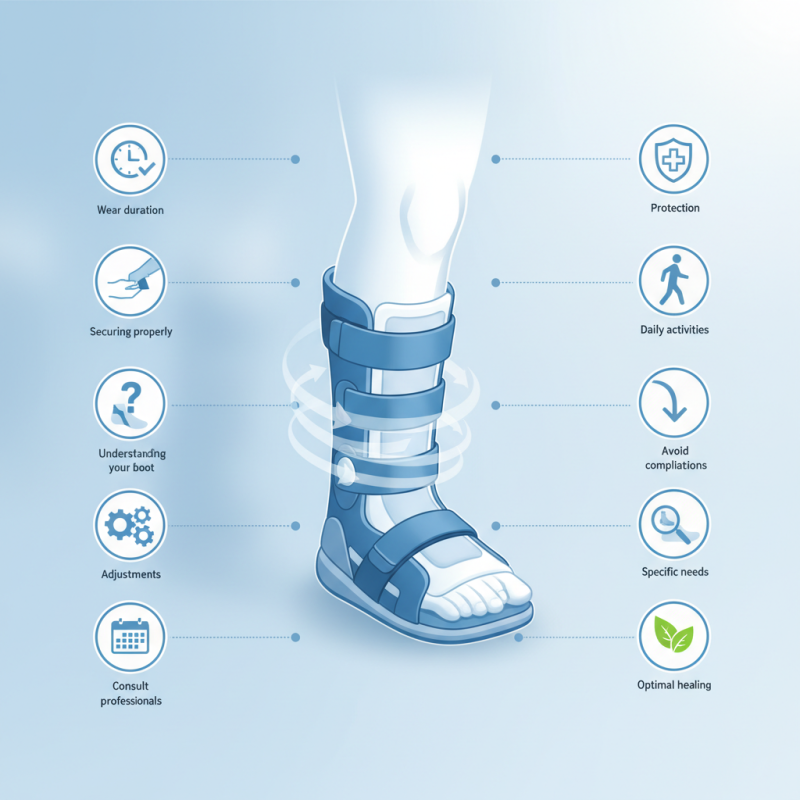
The orthopedic walking boot is designed to provide support while protecting injured areas. It allows patients to go about daily activities with more confidence. However, improper use can lead to complications. Some individuals might not wear the boot long enough, while others may not secure it properly.
Each person’s experience is unique. Certain adjustments can transform the effectiveness of the boot. Taking the time to understand your boot and your specific needs is crucial. Patients should consult professionals regularly to ensure proper usage. With the right approach, an orthopedic walking boot can be a vital tool in recovery, yet reflection on its use is important for optimal healing.
Understanding the Purpose and Benefits of Orthopedic Walking Boots
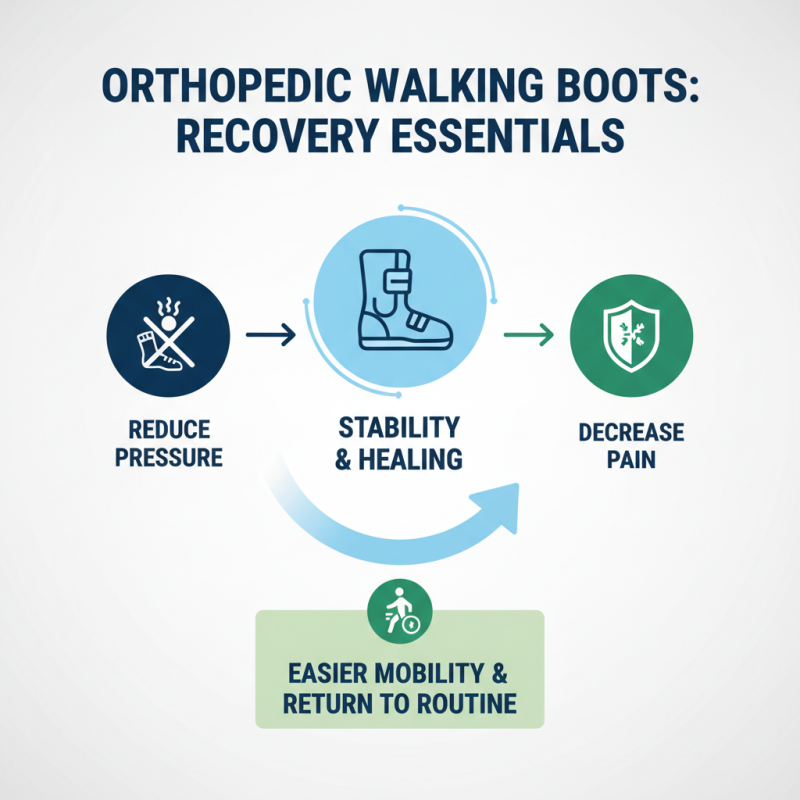
Orthopedic walking boots are vital tools in recovery. They provide stability to injured feet and ankles. These boots keep pressure off the affected areas, promoting healing. By immobilizing the injury, they help reduce pain. This can make a big difference in daily routines. Walking becomes easier, and you can get back to moving.
Wearing an orthopedic boot does come with adjustments. It can feel bulky or uncomfortable at first. This may lead to frustration during mobility. Often, individuals forget to give themselves grace in this period. Rushing the healing process can have negative effects. It is crucial to listen to your body and take breaks as needed. Allow time for the muscles and tendons to strengthen while in the boot.
The benefits are clear. Yet, adapting to a walking boot requires patience. Stay mindful of your surroundings to prevent falls. Using crutches or a scooter can help facilitate movement. Embrace the learning curve and focus on gradual improvement. The journey to full recovery is often not linear, but every step counts.
Key Features to Look for in an Orthopedic Walking Boot
When choosing an orthopedic walking boot, key features matter. Look for adjustable straps. They help secure the boot comfortably. A boot with a breathable lining can provide comfort during long wear. Ventilation is essential, especially in warmer weather. Check the sole's grip. A good tread prevents slips on various surfaces.
Consider the weight of the boot. A lighter design can enhance mobility. Some users find heavy boots cumbersome. Comfort is also crucial. The padding should support without causing pressure points. If the boot feels too tight after a few hours, it may require adjustment. Also, think about the boot's height. Shorter boots are often easier to manage. However, higher options may offer better support for specific injuries.
Finally, a built-in rocker bottom is worth noting. This feature promotes a natural walking pattern. It may take some time to get used to it. Some people find initial discomfort in adapting. Ensure you gradually increase walking time. Monitoring your foot's response is key. An effective orthopedic boot combines support, comfort, and functionality.
Proper Fitting Techniques for Maximum Comfort and Support
When using an orthopedic walking boot, proper fitting is crucial for comfort and support. Start by ensuring the boot is snug but not too tight. You should be able to wiggle your toes freely. If your foot feels cramped, it might cause blisters or discomfort.
Check the height of the boot. It should cover your injured area but not restrict blood flow. Pay attention to the straps. They need to be secure but adjustable. Over-tightening can lead to unnecessary pressure. If you feel pain, reassess the fit immediately.
After putting on the boot, take a few steps. If you experience pain, it might indicate a poor fit. Adjust as needed. Remember to check the inside of the boot for any debris or rough edges. These can irritate your skin. Sometimes, you might have to modify your walking style. Practice gently. It takes time to adapt, and that's perfectly normal.
Effectiveness of Orthopedic Walking Boot Features
This bar chart displays user ratings for various features of an orthopedic walking boot, highlighting areas such as comfort, support, adjustability, durability, weight, and breathability. The ratings indicate the effectiveness of these features, guiding users in choosing the right walking boot for their needs.
Best Practices for Wear Duration and Daily Activity Management
Wearing an orthopedic walking boot can be challenging. Understanding how to manage wear duration is crucial. Typically, you should wear it for recommended hours each day. This helps your foot heal properly. But sometimes, people forget to follow the guidelines. It’s easy to get caught up in daily life and neglect the boot.
Daily activity management is another essential aspect. While the boot provides support, keep your movements limited. Avoid high-impact activities that could worsen your injury. Take frequent breaks to rest your foot. Consider using a cushion or pillow to elevate your foot when sitting.
Finding a balance between mobility and rest can be tricky. Many may feel tempted to rush recovery and overexert themselves. However, this often leads to setbacks. Reflect on your daily routine and how you can incorporate gentle movements. Gradually increasing your activity and monitoring your comfort levels may lead to better outcomes.
Common Mistakes to Avoid While Using an Orthopedic Walking Boot
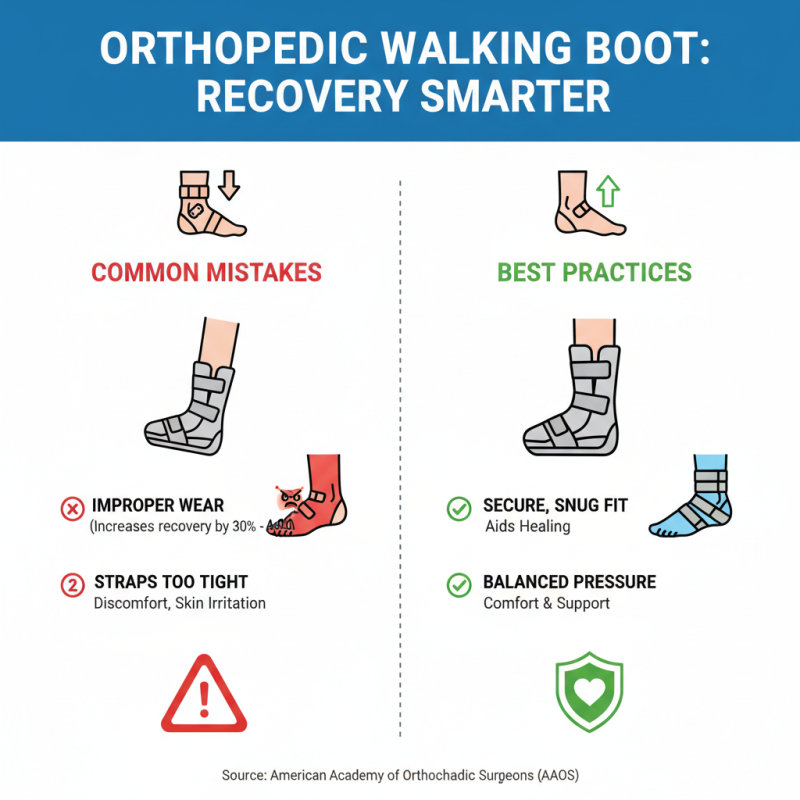
Using an orthopedic walking boot can greatly aid recovery. However, many users make common mistakes. For instance, not wearing the boot properly can lead to complications. According to the American Academy of Orthopaedic Surgeons (AAOS), improper use increases recovery time by 30%. Adjusting the straps too tightly can also cause discomfort or skin irritation. Striking a balance is crucial.
Another frequent mistake is neglecting to follow the prescribed weight-bearing instructions. Many believe they can start putting weight on the boot too soon. Research shows that adhering strictly to weight-bearing protocols can reduce re-injury rates by 40%. Many patients tend to rush their recovery, thinking it will save time in the long run. This approach often leads to setbacks. Regular follow-up appointments with a healthcare provider are essential to monitor progress and make necessary adjustments.
Lastly, some users ignore signs of discomfort. Mild pain can be expected, but persistent pain may indicate a problem. Keep an eye on the fit and feel of the boot. Improper fit affects mobility and healing. A recent survey indicated that 20% of users reported issues due to neglecting fit adjustments. Listening to your body during recovery is vital.