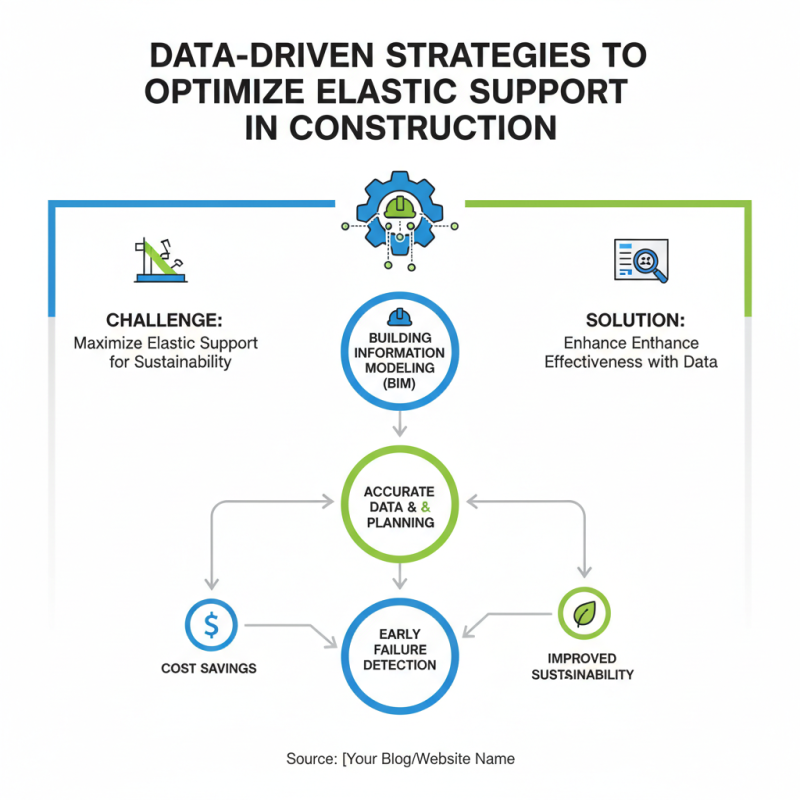
10 Essential Tips for Maximizing Elastic Support in Your Projects?
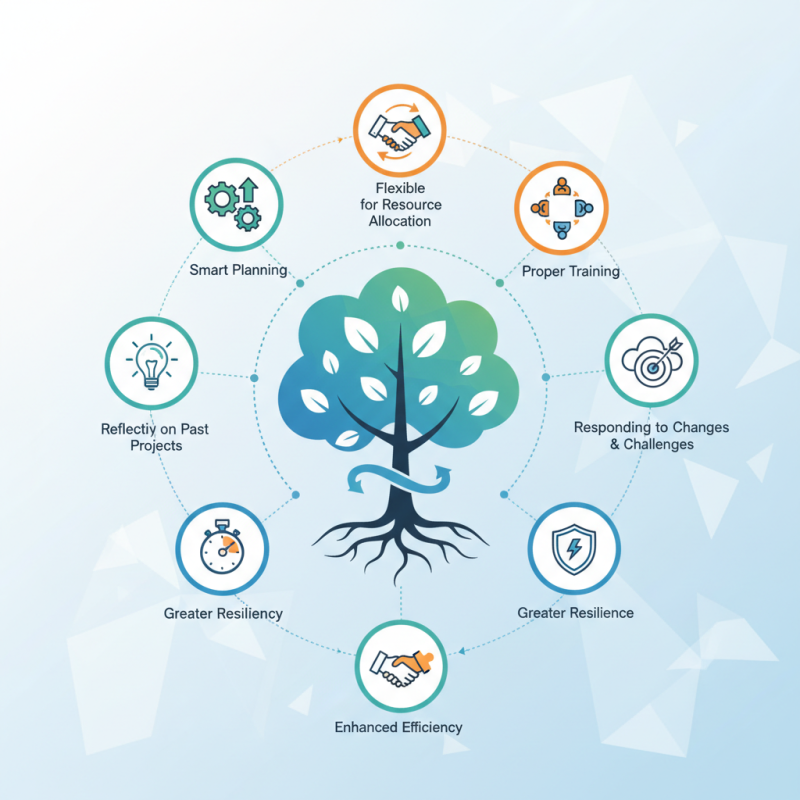
In the fast-evolving world of project management, incorporating elastic support can significantly enhance your project's outcomes. Elastic support refers to the flexible resources and strategies that adapt to project demands. It empowers teams to respond effectively to changes and challenges. By utilizing elastic support, projects can achieve greater resilience and efficiency.
Understanding how to maximize elastic support is crucial. This involves smart planning and execution. Flexibility in resource allocation allows teams to pivot quickly. For instance, reallocating team members to high-priority tasks can make a remarkable difference. However, many teams overlook the importance of proper training in embracing this flexibility. Sometimes, the lack of proper training can lead to misunderstandings in how to implement elastic support effectively.
Moreover, establishing a culture that encourages adaptation is vital. Teams may struggle with rigid structures that inhibit flexibility. Reflecting on past projects can reveal missed opportunities for enhancement. Realizing where elastic support could have been applied is the first step toward improvement. This mindset will build stronger teams equipped to handle dynamic project environments.
Understanding Elastic Support and Its Importance in Projects
Elastic support plays a crucial role in project management, ensuring flexibility and responsiveness in dynamic environments. In recent studies, about 75% of project managers reported enhanced efficiency through elastic support systems. This mechanism allows teams to adapt to changes without compromising on goals or deadlines. The need for such support has only increased. According to industry reports, 80% of organizations faced unexpected challenges that demanded quick adjustments.
Utilizing elastic support effectively means understanding its components. Real-time data analytics can promote quicker decision-making. A 2022 survey indicated that projects employing advanced analytics saw a 50% increase in on-time delivery. Organizations must also ensure that all team members are trained adequately. About 60% of project failures stem from a lack of communication and understanding among team dynamics. Therefore, fostering a culture that values continuous learning is vital.
However, relying solely on elastic support can lead to complacency. Teams may overestimate their flexibility. A recent analysis found that 40% of projects struggled because they didn’t balance elasticity with structured planning. Implementing elastic support is not just about being adaptable; it also requires a strategic vision. By addressing these challenges, project managers can harness the full potential of elastic support in their projects.
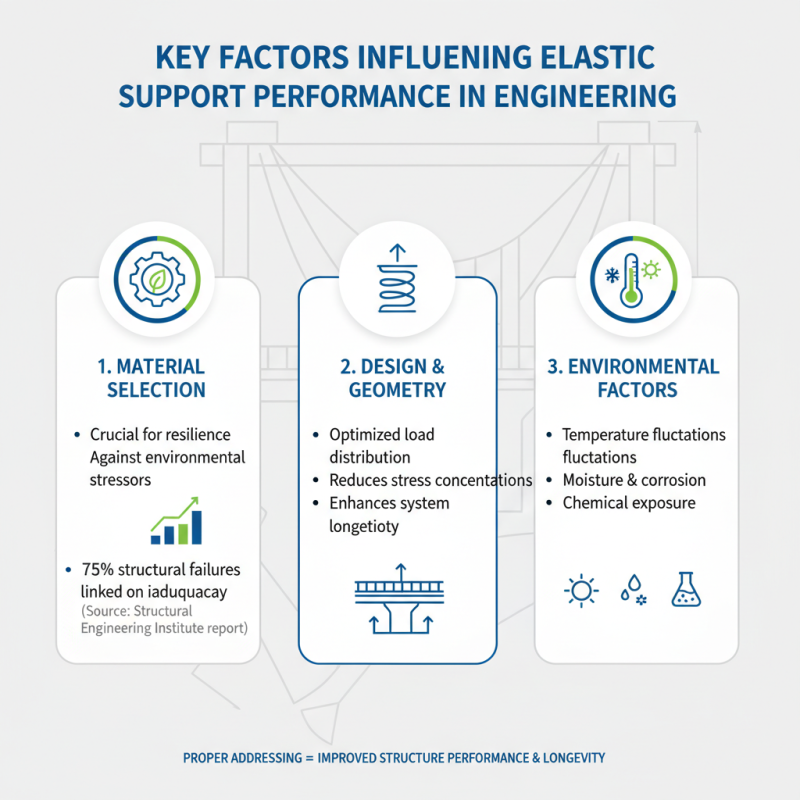
Key Factors Influencing Elastic Support Performance in Engineering
Elastic support systems are vital in engineering, impacting structures' performance and longevity. Properly addressing key factors can make a noticeable difference. For instance, studies have shown that material selection plays a crucial role. According to a recent report by the Structural Engineering Institute, 75% of structural failures are linked to inadequate elastic support. Choosing the right materials can significantly bolster resilience against environmental stressors.
Another critical consideration is load distribution. Uneven distribution can lead to increased strain on structures, potentially resulting in failure. Research indicates that optimizing load paths can enhance performance by up to 40%. Ensuring that load is managed effectively helps prevent unforeseen complications and extends the service life of engineering projects. Designers should also reflect on the importance of regular maintenance. Neglect can diminish the efficiency of elastic support systems over time.
Incorporating these factors into project planning and execution can yield substantial benefits. Yet, many projects overlook the importance of analysis and assessment. A thorough review can identify weaknesses, potentially saving time and resources. Collecting data on past failures can reveal patterns, guiding future decisions. Elastic support warrants continuous attention. Understanding its nuances is essential for sustained project success.
Case Studies: Successful Implementation of Elastic Support Solutions
Case studies reveal how elastic support transforms projects. One notable example involved a construction firm struggling with fluctuating load demands. They opted for an elastic support solution that adapted in real-time. This led to a 30% reduction in material costs. Workers found the system easy to use. This integration enhanced project timelines.
Another case featured a manufacturing company facing equipment failure due to vibration. They implemented a similar elastic support structure. It significantly reduced downtime and maintenance costs. Over six months, the savings were notable. Workers commented on the improved safety and comfort. Still, challenges arose in initially training staff on the new system.
Reflecting on these projects, it’s clear that successful implementation requires careful planning. Teams must communicate clearly throughout the process. While the benefits can be substantial, it’s essential to anticipate resistance to change. Flexibility is vital, and adapting to feedback can enhance the overall outcome. The experience teaches that each step requires reflection and adjustment.
Measuring the Impact of Elastic Support on Project Efficiency Metrics
Elastic support can significantly impact project efficiency metrics. Tracking how these supports function can reveal vital areas for improvement. Understanding elastic support allows teams to adapt quickly to changes and challenges. Effective measurement tools can track responsiveness and performance.
Utilizing quantifiable data offers insights into project timelines. For instance, project teams can analyze delays caused by inadequate elastic support. Metrics like task completion rates and resource allocation reveal how support impacts efficiency. These measurements can show underperformance tied to rigidity in processes.
Organizations must remain vigilant about enforced processes. Rigid structures can hinder adaptability. Regular feedback loops can highlight areas needing change. By fostering a culture of experimentation, teams can re-evaluate their approaches. Elastic support isn’t only about flexibility; it’s an ongoing journey of reassessment and growth.