What is Elastic Support and How Does It Benefit Various Industries?
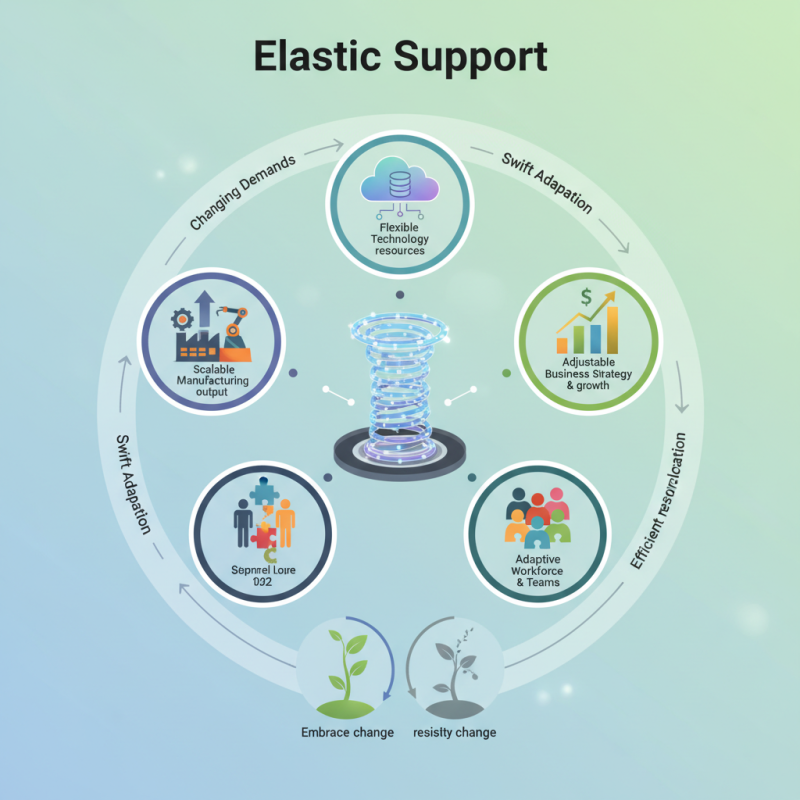
In today’s fast-paced industries, "elastic support" has emerged as a crucial concept. Experts like Dr. Emily Harper emphasize its importance: “Elastic support enables businesses to adapt swiftly to changing demands.” This flexibility greatly benefits various sectors. Companies can quickly adjust resources without significant overhead.
Elastic support encompasses technology and strategic planning. It allows businesses to scale efficiently. For instance, a manufacturing plant can modify output to meet market trends. Yet, the implementation is not always smooth. Some organizations struggle to embrace this adaptable framework. They often resist change, resulting in missed opportunities.
As industries evolve, embracing elastic support proves vital. Companies that overlook its benefits risk falling behind their competitors. Hence, businesses must reflect on their operational strategies. The adoption of elastic support is not just a trend; it is necessary for survival in the modern landscape.
Understanding the Concept of Elastic Support in Engineering
Elastic support is a vital concept in engineering. It refers to the ability of a structure to absorb and redistribute loads. This flexibility allows structures to withstand various stresses without catastrophic failures. For example, elastic support is often used in bridges. The supports adjust to weight changes, ensuring stability.
Industries benefit significantly from this concept. In construction, buildings utilize elastic supports to reduce the impact of earthquakes. This design improves safety and durability. In manufacturing, machinery employs elastic supports for vibration control. Reducing wear and tear can extend equipment lifespan. However, the implementation of elastic support is not always straightforward. Engineers must carefully design these systems, as improper calculations can lead to failures.
Understanding the nuances of elastic support can enhance engineering practices. It prompts engineers to evaluate materials and structures creatively. Adjustments may be necessary to optimize performance. This ongoing process fosters innovation and improvement. Engaging in these challenges can lead to more resilient designs. Elastic support keeps pushing boundaries in engineering disciplines.
Key Features and Mechanisms of Elastic Support Systems
Elastic support systems are designed to handle dynamic loads and vibrations effectively. They provide flexibility, allowing structures to absorb shocks. This feature is crucial for industries like construction, automotive, and aerospace. By employing these systems, industries can enhance stability and safety.
The key mechanisms behind elastic support include dampening and energy absorption. These systems often utilize materials that deform under stress, then return to their original shape. This property reduces vibrations and protects sensitive equipment. A well-designed elastic support system can significantly lower maintenance costs. However, improper installation can lead to issues like misalignment or inadequate support.
Another important feature is their adaptability. Elastic support systems can be tailored to specific requirements. Different settings may demand different levels of rigidity and flexibility. This customization is beneficial but can complicate the design process. The balance between support and flexibility may not always be perfect. This requires ongoing assessment and refinement of the systems.
Applications of Elastic Support Across Different Industries
Elastic support has found diverse applications across various industries, proving valuable in operations and infrastructure. In construction, it ensures structures can adjust to fluctuations in load and stress. Bridges and buildings benefit immensely from this adaptability. It helps in minimizing damage during seismic activities. The installation of elastic supports can be complex, demanding careful planning. Miscalculations can lead to unintended consequences, which require constant evaluation.
In manufacturing, elastic support enhances machine performance. It absorbs vibrations and reduces wear, extending equipment lifespan. This application promotes efficiency and lowers maintenance costs. However, companies must continuously monitor the condition of these supports. Inconsistent checks can lead to breakdowns, disrupting production cycles. In the field of transportation, elastic support improves vehicle stability, especially in railways. It ensures smoother rides for passengers and freight alike, though it requires regular maintenance.
In the energy sector, elastic support plays a role in wind turbines. It helps sustain operations against fluctuating wind conditions. These supports need to be robust yet flexible, balancing durability with the need for movement. Nonetheless, improper installation or neglect can reduce their effectiveness. Industries leveraging elastic support must remain vigilant. They must constantly assess both their applications and potential flaws. The benefits are clear, but attention to detail is crucial.
What is Elastic Support and How Does It Benefit Various Industries? - Applications of Elastic Support Across Different Industries
| Industry |
Application |
Benefits |
Challenges |
| Construction |
Bridge Expansion Joints |
Improved structural integrity and flexibility |
Potential for misalignment over time |
| Automotive |
Suspension Systems |
Enhanced ride comfort and stability |
Requires precise tuning for optimal performance |
| Aerospace |
Vibration Dampening Systems |
Reduced noise and improved passenger comfort |
High costs of implementation and maintenance |
| Manufacturing |
Machinery Mounting |
Minimized vibration leading to better precision |
May require specialized installation techniques |
| Electronics |
Component Isolation |
Increased lifespan of sensitive components |
Space constraints can limit application |
Advantages of Elastic Support: Enhancing Efficiency and Flexibility
Elastic support is transforming the way industries operate. It allows for more adaptable systems that can respond quickly to changes. This flexibility benefits sectors like manufacturing, logistics, and technology. In manufacturing, for instance, machines can adjust to different workloads seamlessly. This leads to reduced downtime and increased output.
Moreover, elastic support enhances collaboration. Teams can share resources more effectively. In logistics, it allows for a dynamic adjustment of routes based on real-time data. Trucks can reroute based on traffic or demand fluctuations. Manufacturers can scale production levels without major disruptions. Adapting to sudden market changes is no longer a daunting task.
However, implementing elastic support is not without challenges.
It requires a foundational change in mindset and processes. Many organizations struggle with this shift. Employees may resist new systems due to comfort with the old ways. This often leads to inefficiencies in the short term. Adjustments in training and communication are vital. Balancing flexibility with consistent performance can be a tough act to manage.
Future Trends in Elastic Support Technologies and Their Impacts
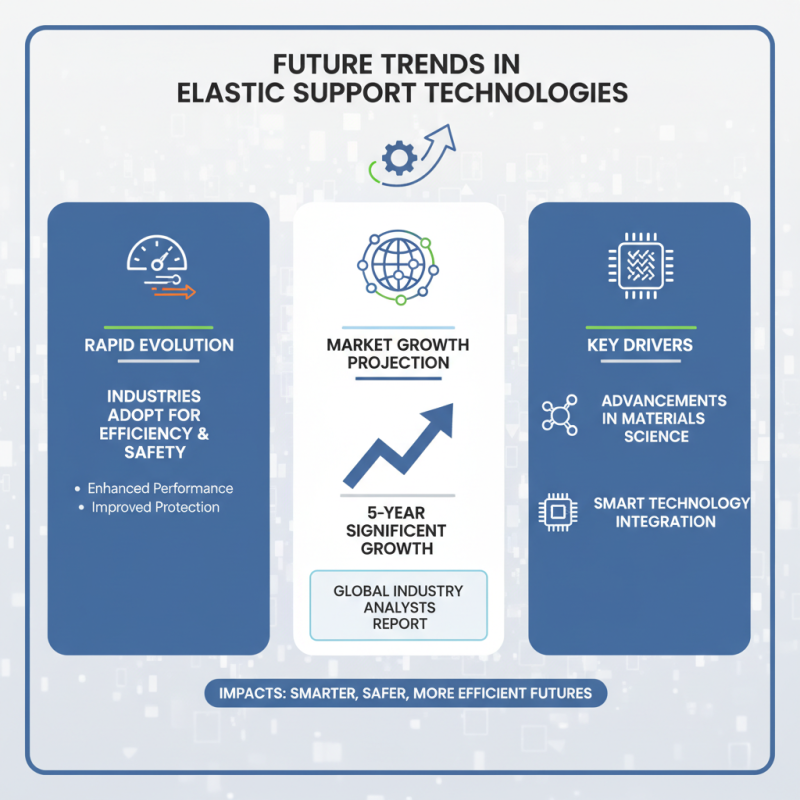
Future trends in elastic support technologies are evolving rapidly. Industries are increasingly adopting these solutions for enhanced efficiency and safety. According to a recent report by Global Industry Analysts, the market for elastic support systems is projected to grow significantly over the next five years, driven by advancements in materials science and smart technology integration.
As new applications emerge, the focus on customization becomes pivotal. Industries like construction and manufacturing demand tailored solutions. Elastic supports can reduce vibration and shock, making environments safer. For instance, in the automotive sector, engineers are experimenting with flexible materials, resulting in quieter rides. However, challenges remain in long-term durability and cost efficiency, requiring ongoing research and innovation.
Tip: Always assess your specific needs before selecting an elastic support system. Understand the unique demands of your industry and environment. Additionally, consider the potential for maintenance costs over time.
The rise of smart technology in elastic support systems also raises questions. Integration with IoT could mean constant monitoring, but data privacy may be a concern. Balancing innovation with ethical considerations will be crucial. Growth will only be sustainable if we address these complexities.