What is DL-Methionine Benefits Uses and Side Effects?
DL-Methionine is an essential amino acid that plays a crucial role in human health. This compound is a building block for proteins and aids in various bodily functions. Many people may not fully understand its benefits, uses, or potential side effects. It is important to explore how DL-Methionine contributes to our well-being.
Various studies highlight DL-Methionine's advantages, including its role in detoxification. It supports liver health by helping reduce toxic buildup. Moreover, it may enhance mood and reduce symptoms of depression. However, the use of DL-Methionine is not without concerns. Some individuals might experience adverse side effects, such as nausea or diarrhea.
Understanding DL-Methionine requires a balanced view. While it offers many benefits, some must reflect on its limitations. It is essential to discuss DL-Methionine with a healthcare provider before starting any supplement. This ensures safe use and maximizes its potential benefits.
Overview of DL-Methionine: Definition and Chemical Structure
DL-Methionine is a sulfur-containing amino acid. It plays a crucial role in various physiological processes. The chemical structure of DL-Methionine features a thioether group, which is essential for its functionality. This compound is known to be polar and hydrophilic, enabling it to easily dissolve in water.
Research indicates that DL-Methionine supports liver health and aids in detoxification. Studies show it helps reduce elevated homocysteine levels. According to a 2021 study published in "Clinical Biochemistry", DL-Methionine supplementation can lower homocysteine by up to 30%. This effect promotes heart health. Additionally, it may have antioxidant properties that protect cells from oxidative stress.
However, caution is essential. Excessive intake can lead to negative side effects, including gastrointestinal issues. Some users report nausea or diarrhea with high doses. A review from the "Journal of Amino Acids" notes that individual responses can vary significantly. Therefore, it is vital to consider personal health conditions before starting supplementation. More research is required to fully understand the long-term effects of high DL-Methionine intake.
Health Benefits of DL-Methionine: Key Uses in Nutrition and Medicine
DL-Methionine is an important amino acid with various health benefits. It plays a crucial role in protein synthesis and supports liver function. It can help detoxify harmful substances and enhance overall health. Many people benefit from its antioxidant properties, protecting cells from oxidative stress. This can lead to improved skin health and a boost in energy levels.
A key use of DL-Methionine is in promoting healthy hair growth. It helps maintain the integrity of proteins, which are essential for hair follicles. Those struggling with hair loss might consider adding it to their diet. Additionally, it has been shown to support joint health and reduce inflammation, making it beneficial for active individuals.
Tips: When considering supplementation, consult a healthcare professional. Balance is crucial. Also, focus on whole food sources rich in methionine, like nuts and seeds. Aim for a varied diet to avoid over-reliance on supplements. Everyone's body responds differently, so monitor any changes closely.
Potential Side Effects of DL-Methionine: Risks and Precautions
DL-Methionine is an essential amino acid. While it offers various benefits, potential side effects should be considered. Some users may experience gastrointestinal issues. Nausea, vomiting, or diarrhea is possible. Allergic reactions are rare, but they can occur. Skin rashes and itching might happen. Being aware of these risks is crucial.
Tips: Stay hydrated. Drink plenty of water if you introduce DL-Methionine into your diet. Monitor your body's response over the first few days. If you notice discomfort, pause your intake.
Some individuals may also report headaches or fatigue. This can be disheartening. Not everyone reacts the same way. Understanding your personal tolerance is vital. Consult with a healthcare provider if unsure.
Tips: Start with a lower dose. Gradually increase it as your body adapts. Keep a journal of any side effects you encounter. Reflect on how your body feels. Adjust your usage accordingly for better outcomes.
Recommended Dosage and Administration of DL-Methionine for Optimal Use
DL-Methionine is an important amino acid with various benefits. For optimal use, understanding the recommended dosage and administration is crucial. The typical dosage for adults ranges from 500 mg to 2,000 mg per day, depending on individual needs and health goals. It is often taken in divided doses throughout the day.
Recent studies suggest that taking DL-Methionine on an empty stomach may enhance absorption. This amino acid helps in the synthesis of proteins and supports detoxification processes in the body. However, potential side effects exist, including gastrointestinal discomfort. Some individuals may also experience allergic reactions, albeit rarely.
Monitoring your response to DL-Methionine is advised. Adjusting the dosage may be necessary based on personal tolerance. Maintaining a balanced diet is essential, as excessive supplementation can lead to imbalances. Always consult a healthcare professional before starting any new supplement regimen, especially if pre-existing conditions are present.
What is DL-Methionine Benefits Uses and Side Effects? - Recommended Dosage and Administration of DL-Methionine for Optimal Use
| Aspect | Details |
| Benefits | Supports liver function, antioxidant properties, aids in detoxification, and may improve mood. |
| Uses | Supplement for methionine deficiency, liver detoxification, and potential support for cysteine production. |
| Common Side Effects | Nausea, headache, diarrhea, and potential allergic reactions. |
| Recommended Dosage | Typically 500-1500 mg per day, as directed by a healthcare professional. |
| Administration | Take with or without food, preferably at regular intervals. |
| Interactions | May interact with medications that affect liver metabolism. Consult with a healthcare provider. |
DL-Methionine Sources: Dietary and Supplement Options Available
DL-Methionine is an essential amino acid with notable benefits. It occurs naturally in many food sources. You can find it in meat, fish, eggs, and dairy products. These sources are great for those who consume animal products. For vegetarians and vegans, beans, nuts, and whole grains may provide some DL-Methionine.
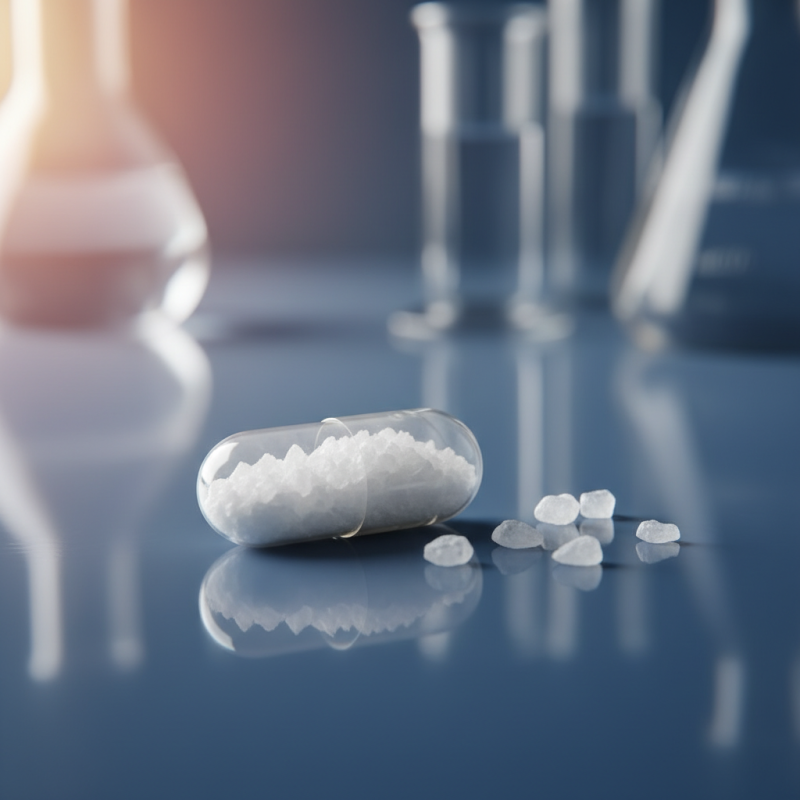
When considering supplements, it's important to choose quality options. DL-Methionine supplements are available in various forms, including capsules and powders. The choice depends on your personal preference and lifestyle. Always read labels. Start with lower doses to see how your body reacts.
Tips: Stay hydrated while taking supplements. Water helps metabolize amino acids effectively. Consider keeping a food diary. This may help you track your dietary intake. Be cautious: excessive consumption might lead to side effects like nausea or irritability. Monitoring your body’s response is crucial.