What to Consider When Buying a Dental Hand Drill?
When considering the purchase of a Dental Hand Drill, various factors must be taken into account. A dental hand drill is a crucial tool in modern dentistry. It defines the quality of patient care and treatment outcomes. Choosing the right model can affect efficiency and comfort for both the dentist and patient.
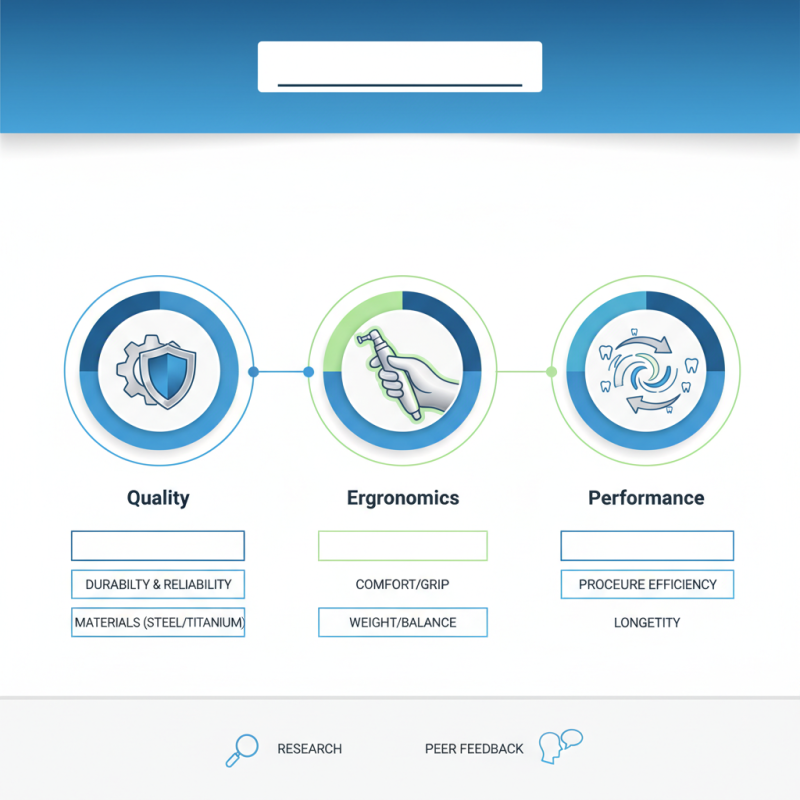
Quality should be a primary concern. Look for drills that are durable and reliable. The material used in the construction of the dental hand drill plays a significant role. Steel and titanium are preferred for their strength and longevity. However, not all drills perform equally well in real-world scenarios. Some may struggle with particular procedures or wear down quickly.
Ergonomics is another vital aspect. A comfortable grip can minimize hand fatigue during extended use. Many dental professionals find lighter models easier to manage. It’s essential to consider how the drill feels in your hand. A poorly designed drill may lead to inefficiencies. Ultimately, making an informed choice necessitates research and feedback from peers.
Types of Dental Hand Drills Available on the Market
When considering different types of dental hand drills, it's crucial to understand their specific applications. Generally, there are two main types: friction grip and latch type. Friction grip drills are lightweight and designed for high-speed operations. They are ideal for delicate procedures. However, they may not offer the same control as latch type drills, which provide more stability but are heavier.
Another important factor is the drill's motor. Electric hand drills are popular due to their consistent speed and torque. They reduce hand fatigue and can enhance precision. On the other hand, air-powered drills are lightweight and easy to maneuver, making them suitable for quick tasks. However, they may struggle with longer procedures due to their reliance on air pressure, leading to potential inconsistencies.
Be mindful of the drill's noise level as well. Some electric drills can be quite loud, causing discomfort for patients. While quieter options exist, their power might be compromised. Think about how the vibration and sound might affect both the patient and the dentist. This could impact the overall experience during dental work, making patient comfort a significant consideration.
Key Features to Look for in a Dental Hand Drill
When selecting a dental hand drill, the precision and comfort it offers are crucial. Look for drills equipped with a balance of power and speed. An adjustable speed feature can enhance control, allowing for better performance during procedures. Ergonomically designed handles are vital for reducing fatigue during extended use.
Consider the weight of the drill. A lightweight model can help prevent strain, especially during long sessions. However, it should still feel robust and reliable. Also, pay attention to noise levels. Quieter drills create a more comfortable environment for both patients and practitioners.
Tips: Always test the grip and handling before purchasing. This ensures it feels right in your hand. Remember, a drill that feels perfect for one clinician may not suit another. Lastly, consider maintenance. A model that is easy to clean will save you time and promote better hygiene practices. Reflect on the needs of your practice and choose wisely.
Understanding the Importance of Ergonomics in Dental Drills
When considering a dental hand drill, ergonomics is a crucial aspect to focus on. This field requires precision, and comfort can enhance performance. A well-designed hand drill allows for better maneuverability. This can reduce muscle strain and fatigue during long procedures. Dental professionals often spend hours at a time using these tools, making it essential to choose one that fits comfortably in the hand.
Tips for selecting an ergonomic drill include looking for adjustable handles. These can provide better grip and lessen the stress on fingers. Weight is another factor; a lighter drill is easier to control. Evaluate the balance of the tool, too. A well-balanced drill minimizes fatigue and allows for steadier hands when working.
Additionally, understand that not all ergonomic designs are the same. Some may not fit your specific hand shape. This is why testing a drill before purchasing is vital. A drill that feels perfect at first may cause discomfort later. Adjustments can often be made, but starting with a good design is essential. Prioritize your comfort; it directly affects your performance and patients' experiences.
Evaluating the Cost and Budget Considerations for Hand Drills
When considering the purchase of a dental hand drill, budget plays a crucial role. Prices can vary significantly based on quality and features. A higher cost often reflects better durability and advanced technology. However, lower-priced options may still offer adequate performance for basic procedures. It's essential to weigh these factors carefully.
Another consideration is the long-term investment potential. Cheaper drills may save money initially but could require frequent replacements. This could lead to higher costs over time. Investing in a reliable, high-quality drill may yield better results and efficiency in the long run. Moreover, evaluating maintenance requirements is important. Some drills may need specialized care that adds to overall costs.
Beyond initial costs, think about the features necessary for your practice. Do you need a lightweight design or specific speed settings? Reflecting on the unique needs of your dental work will help narrow down your options. Balancing cost with performance is vital. Making an informed decision ensures you are not swayed solely by price but also by long-term value and functionality.
What to Consider When Buying a Dental Hand Drill? - Evaluating the Cost and Budget Considerations for Hand Drills
| Feature | Entry Level ($) | Mid Range ($) | High End ($) |
| Speed Range | 5,000 - 30,000 RPM | 20,000 - 40,000 RPM | 30,000 - 50,000 RPM |
| Weight | 0.5 - 1.0 kg | 0.3 - 0.8 kg | 0.2 - 0.5 kg |
| Battery Life (if cordless) | 30 - 60 minutes | 60 - 120 minutes | 120 - 180 minutes |
| Price Range | 100 - 300 | 300 - 600 | 600 - 1,200 |
| Warranty Period | 1 year | 2 years | 3 years |
Maintenance and Care Tips for Longevity of Dental Hand Drills
Caring for dental hand drills is vital. Proper maintenance ensures these tools perform well over time. Regular cleaning is essential. After each use, thoroughly wipe down the exterior. This helps prevent bacteria buildup. Some dentists recommend using specific disinfectants for the best results.
Storing hand drills properly is equally important. Keep them in a designated area, away from moisture. A dry environment helps to prevent rust and corrosion. It’s also a good idea to periodically check for wear and tear. If a drill shows signs of damage, it might need repairs or replacement. Ignoring these issues could lead to complications.
Remember, not all dental hand drills are the same. Some may require more care than others. It's worth reflecting on your routine. Are you giving your tools the attention they deserve? Monitor their performance as well. An effective drill should catch issues early. Continuous learning about maintenance can enhance your practice’s longevity.