How to Choose the Right Orthopedic Soft Goods for Your Recovery Needs?
In today's healthcare landscape, choosing the right orthopedic soft goods is essential for effective recovery. With over 2 million injuries related to orthopedic conditions each year in the U.S., understanding how to select the right products can significantly impact rehabilitation outcomes. Studies indicate that proper support can reduce recovery time by 20% and improve mobility by 30%.
Orthopedic soft goods, such as braces, sleeves, and supports, provide crucial stability. A report from the American Academy of Orthopedic Surgeons cites that 75% of patients experience improved function after using high-quality orthopedic soft goods. However, not all products are created equal. Many patients struggle with finding the right fit or type, often leading to frustration.
Considering the complexities of individual needs, careful selection is vital. Factors like injury type, activity level, and comfort should be prioritized. It’s important to remember that sometimes a subpar choice can hinder recovery. Therefore, patients must reflect on their unique circumstances when navigating the options available in the market.
Understanding Orthopedic Soft Goods and Their Purpose
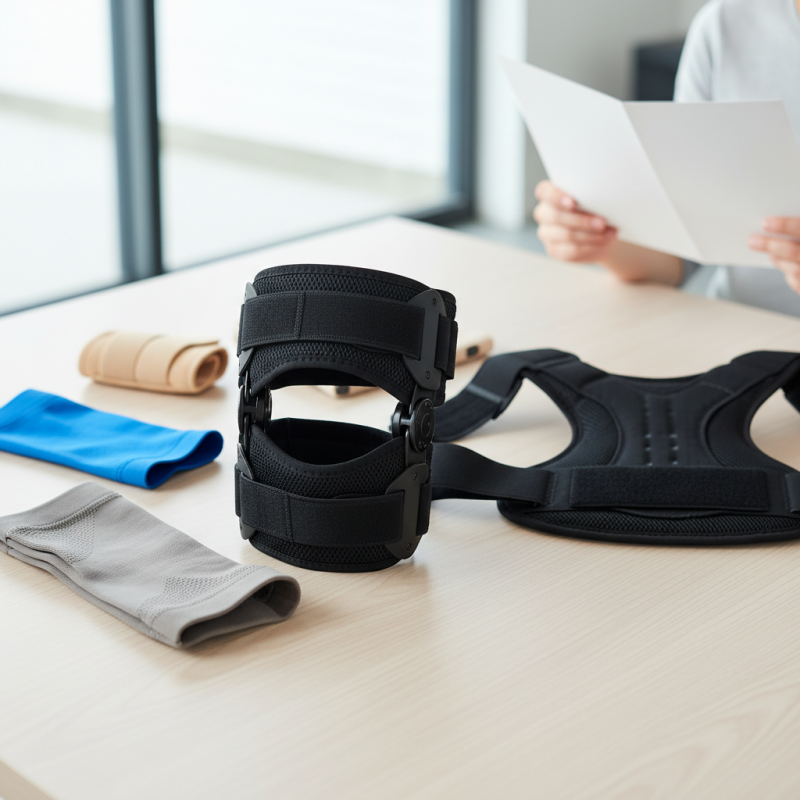
Orthopedic soft goods play a vital role in the recovery process. They include braces, supports, and wraps designed to stabilize and protect injured areas. Understanding their purpose is essential for effective rehabilitation. According to a report by the Journal of Orthopedic Research, correct usage of these items can lead to a significant reduction in recovery time.
Choosing the right orthopedic soft good may seem daunting. Many patients feel overwhelmed by options. The right support is crucial for proper healing. It is essential to consult with a healthcare professional to ensure you select an appropriate product. Pay attention to fit and comfort; an ill-fitting brace can lead to further complications.
Tips: Always measure your affected area before purchasing. This ensures better support. Regularly check for signs of wear, as damaged goods can compromise healing. Lastly, reflect on your comfort level. If it doesn’t feel right, it might not be the right choice for you. Remember that recovery is a personal journey. Each individual’s needs differ.
Types of Orthopedic Soft Goods Available for Recovery
When choosing orthopedic soft goods, understanding the types available is crucial for effective recovery. Common options include braces, supports, splints, and wraps. Each serves a unique purpose. For instance, knee braces stabilize the joint and alleviate pain. They can be vital for athletes recovering from injuries. According to a recent report by the American Academy of Orthopedic Surgeons, proper use of these soft goods can reduce recovery time by up to 30%.
Another popular category is orthopedic wraps. These provide compression and support for soft tissue injuries. A study published in the Journal of Orthopedic Research highlighted that patients using compression wraps showed significant improvements in swelling reduction. However, one must ensure these items fit properly. Ill-fitting goods can exacerbate pain instead of alleviating it.
It’s essential to evaluate your specific needs. Not every product works for all individuals. Some may find a splint uncomfortable, while others prefer it. Trying different options can lead to confusion and delay in recovery. Engage with healthcare professionals for guidance. The right choice can enhance healing and mobility, leading to better outcomes. Be mindful of potential over-reliance on a single product, as it may hinder comprehensive recovery strategies.
Types of Orthopedic Soft Goods Available for Recovery
This chart illustrates the popularity of various types of orthopedic soft goods among users based on their recovery needs. Braces and supports are the most widely used, indicating a higher demand for these products during recovery. Wraps and compressors have relatively lower usage, suggesting they are less commonly chosen options.
Factors to Consider When Selecting Orthopedic Soft Goods
Choosing the right orthopedic soft goods for recovery involves several key factors. Comfort and fit should be your priority. A poorly fitted brace can hinder healing. According to a study published in the Journal of Orthopedic Research, more than 30% of patients reported discomfort due to improper sizing. This can lead to compliance issues. Remember, the right product should feel supportive without being overly restrictive.
Material is another critical consideration. Breathability is vital for prolonged use. A report from the American Journal of Sports Medicine indicates that moisture-wicking fabrics can reduce skin irritation. Many people overlook this aspect, but it plays a significant role in recovery. The choice between rigid and flexible support also matters. Each type serves different recovery phases. Some may prefer more mobility, while others need stability.
It's essential to pay attention to any allergies or sensitivities to materials as well. A significant number of patients, around 15%, experience adverse reactions to certain fabrics. Consulting with a healthcare provider ensures the best match for your specific needs. Reflecting on personal experiences and feedback from others can help guide your choices. Careful selection can significantly improve your recovery journey.
How to Choose the Right Orthopedic Soft Goods for Your Recovery Needs?
| Factor |
Description |
Importance |
| Type of Injury |
Consider the specific type of injury to determine the right support. |
High |
| Material |
Select breathable and moisture-wicking fabrics for comfort. |
Medium |
| Size Fit |
Proper sizing ensures adequate support and mobility. |
High |
| Adjustability |
Look for adjustable features for personalized fit. |
Medium |
| Recovery Stage |
Different stages of recovery may require different supports. |
High |
How to Properly Use and Maintain Orthopedic Soft Goods
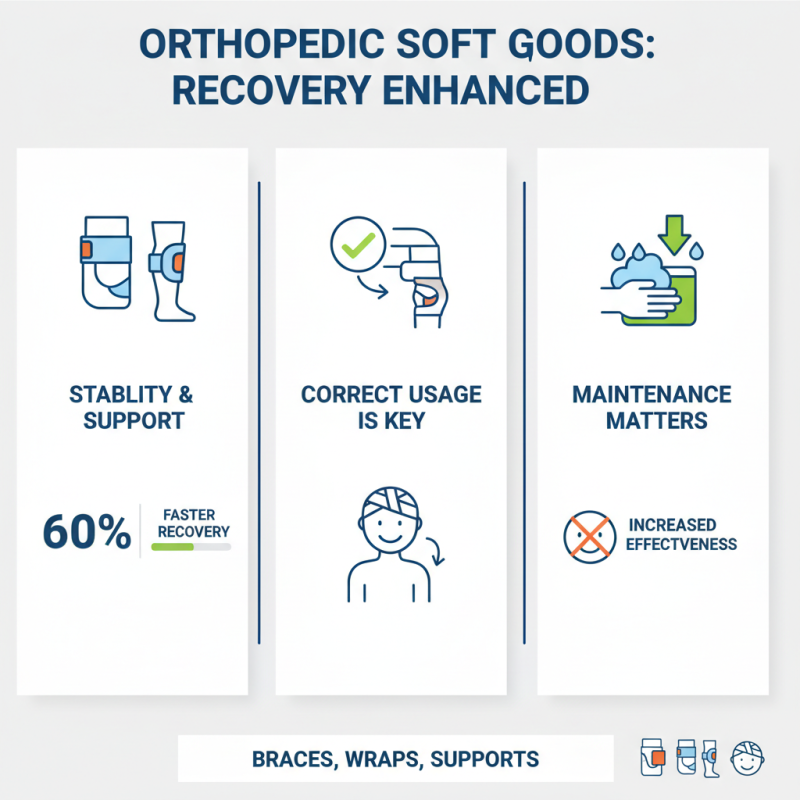
Using orthopedic soft goods properly is crucial for effective recovery. These products, such as braces, wraps, and supports, provide necessary stability. According to recent studies, nearly 60% of patients report improved recovery times when using these aids correctly. However, many users overlook maintenance, which decreases their effectiveness.
Cleaning and storing orthopedic soft goods is vital. Many users forget these steps. For instance, hand-washing with mild soap can extend the life of your brace. Improper drying methods may lead to wear and tear. Ideally, these items should be air-dried, avoiding direct sunlight. It minimizes damage and retains their shape.
Understanding wear indicators is equally important. Look for signs of fraying or loss of elasticity. A worn-out support may fail to provide the intended benefits. Regular inspections should be a routine practice. While you may feel pressure to continue using an item, it’s wise to replace it based on performance rather than just appearance. A proactive approach ensures that your orthopedic soft goods contribute positively to your recovery journey.
Consultation with Healthcare Professionals for Personalized Choices
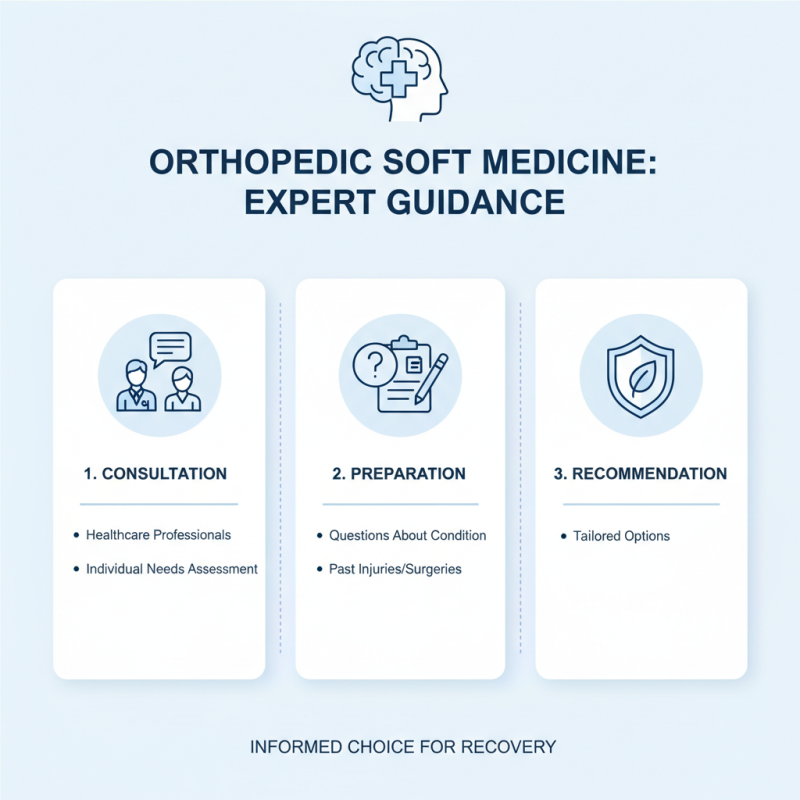
Consulting with healthcare professionals is essential when choosing orthopedic soft goods. They possess the expertise to understand individual recovery needs. During the appointment, be prepared with questions about your specific condition. Discuss any past injuries or surgeries. This information helps practitioners recommend appropriate options.
Healthcare professionals may suggest braces, supports, or wraps tailored to your requirements. They can explain the differences between various materials and designs. Your comfort level can vary, so be open about any discomfort during fittings. Sometimes, what looks good may not provide the best support.
Reflecting on these recommendations can be a challenge. You might feel overwhelmed by the choices available. It can be easy to overlook the expert’s advice. However, prioritizing medical input will lead to better recovery outcomes. Make sure you actively participate in your healing process. Consider keeping a journal of how each product feels during your recovery. This can guide your future consultations.