How to Choose the Right Ankle Pad for Your Needs?
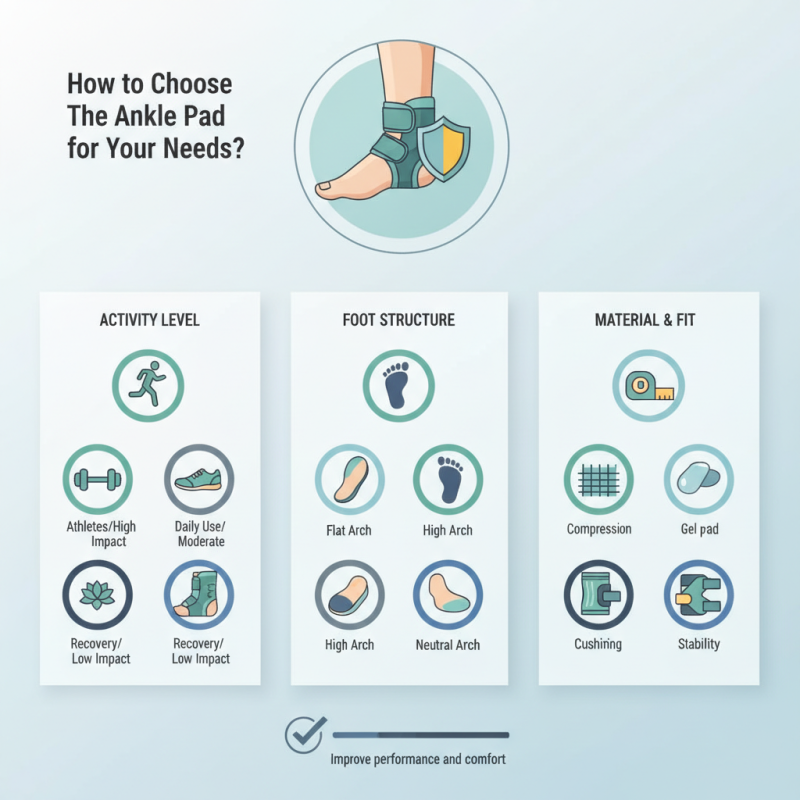
Selecting the right ankle pad can significantly enhance your comfort and support during various activities. According to the American Podiatric Medical Association, around 75% of people will experience foot problems in their lifetime. Ankle pads designed for specific needs can prevent injuries and improve overall performance. The right choice depends on individual requirements, activity level, and foot structure.
Different activities demand different types of ankle pads. For example, athletes may need padded support that offers flexibility and stability. A study published in the Journal of Athletic Training found that proper cushioning can reduce ankle injuries by up to 40%. However, many overlook the importance of fit and material. A common mistake is choosing an ankle pad that feels comfortable but does not offer adequate support.
It's critical to understand your needs when selecting an ankle pad. Many people rush to buy the first option they see, which may lead to discomfort or insufficient protection. By paying attention to factors like size, thickness, and material, you can find an ankle pad that truly meets your needs. Evaluating your activity level and foot mechanics will also guide you toward the right choice. With informed decisions, the right ankle pad can make a tangible difference in your daily performance.
Understanding the Different Types of Ankle Pads Available in the Market
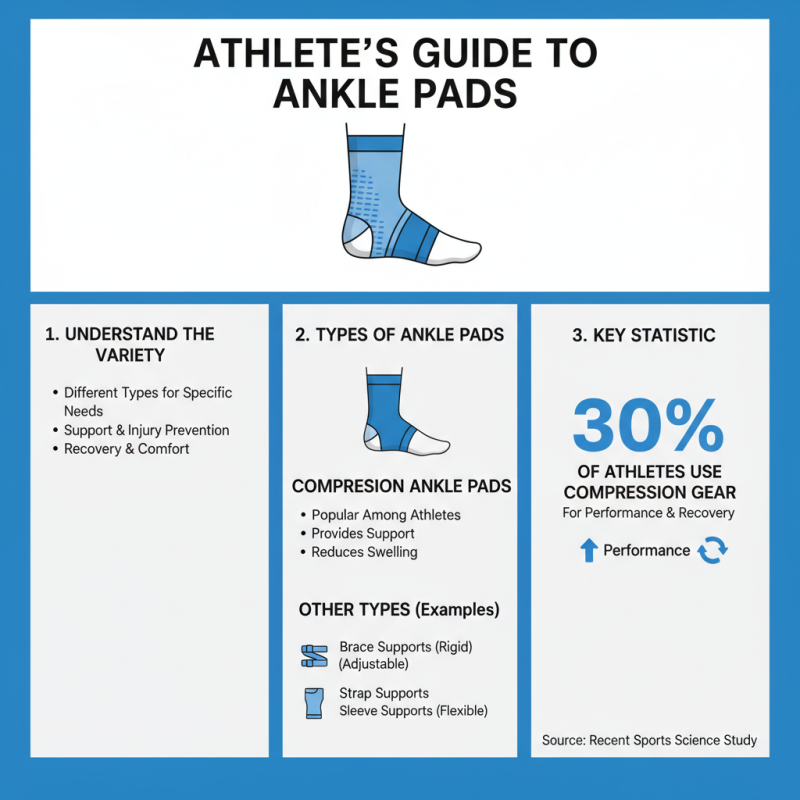
When selecting the right ankle pad, understanding the variety available is crucial. There are several types on the market, each designed for specific needs. Compression ankle pads are popular among athletes. They provide support and reduce swelling. According to a recent study, about 30% of athletes use compression gear to enhance performance and recovery.
Gel ankle pads, on the other hand, offer cushioning and comfort. They are often recommended for daily wear or minor injuries. Research indicates that gel materials can absorb shock effectively, reducing impact on the ankle joint. However, some users may find them too warm or uncomfortable for extended use. This feedback is essential to consider when making a choice.
Neoprene pads offer warmth and stability. They are ideal for those with chronic pain or arthritis. While neoprene can retain heat, it might also cause sweating. This discomfort can lead to decreased usage. It's important to balance support with comfort. Understanding your specific needs and the available options can guide you to the right choice.
Identifying Your Specific Needs: Support, Comfort, or Protection
When considering the right ankle pad, it's vital to identify your specific needs. Support, comfort, and protection are the key areas to focus on. A study by the American Journal of Sports Medicine found that proper ankle support can reduce the risk of injuries by up to 50%. This highlights the importance of selecting a pad that provides adequate stability. Think about your activities. If you're an athlete, a firmer pad may offer the support required for intense movements.
Comfort is another critical aspect. Many users underestimate the importance of a snug fit. According to a report from the Journal of Orthopaedic Research, discomfort can lead to decreased performance and increased risk of accidents. A well-fitting pad should feel secure but not restrictive. Some ankle pads are too bulky, which can hinder mobility. This is a common complaint among users. Reflection on these details can prevent poor choices.
Protection is essential, especially for those with previous injuries. Research indicates that wearing protective gear can help in rehabilitation. Yet, finding the right balance is a challenge. Some pads protect well but compromise comfort. Others are comfortable but provide minimal protection. A thoughtful choice is needed. Test different options to discover what truly works for your needs.
How to Choose the Right Ankle Pad for Your Needs?
| Feature |
Support Level |
Comfort Rating |
Protection Level |
Ideal Use Case |
| Soft Ankle Pad |
Low |
High |
Low |
Casual Walking |
| Moderate Support Ankle Pad |
Medium |
Medium |
Medium |
Light Sports |
| High Support Ankle Brace |
High |
Low |
High |
Rehabilitation |
| Compression Ankle Sleeve |
Medium |
High |
Low |
Daily Wear |
| Ankle Support Wrap |
Adjustable |
Medium |
Medium |
Sports Activities |
Evaluating Material Options: Foam, Gel, and Other Fabrics
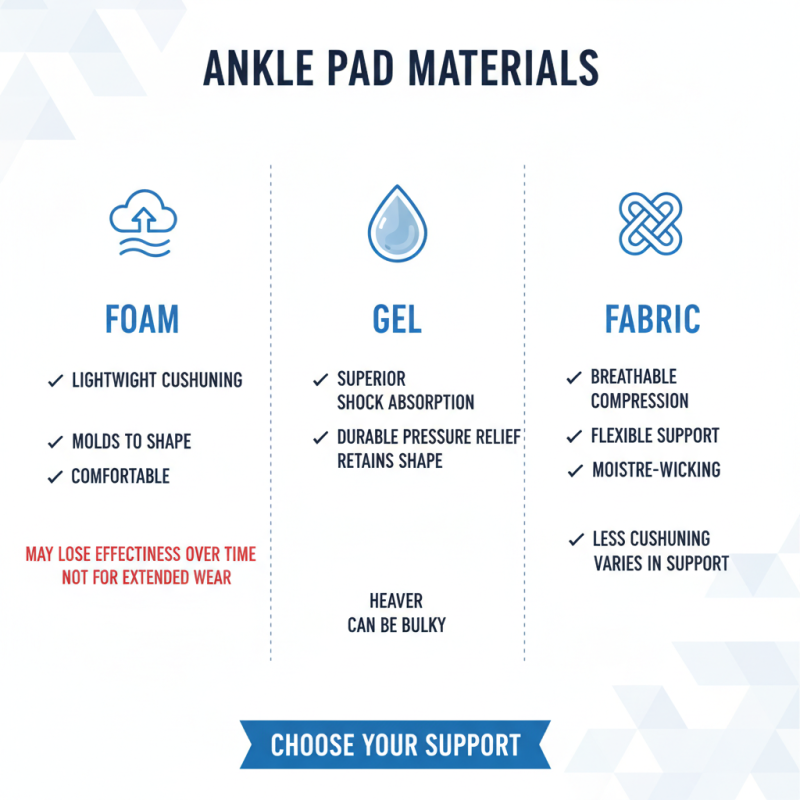
Choosing the right ankle pad involves evaluating the material options available. Foam, gel, and other fabrics each have unique properties. Foam is often lightweight and offers decent cushioning. Its compressibility allows it to mold to your ankle shape, providing comfort during movement. However, it may compress over time, losing some of its effectiveness. Not ideal for extended wear.
Gel pads are another popular choice. They provide better shock absorption, offering a snug fit. Many users appreciate their ability to reduce pain while walking or exercising. However, they can feel a bit bulky. This can limit mobility in active situations. Also, gel pads may retain heat, causing discomfort during long periods.
Other fabric options include breathable moisture-wicking materials. These fabrics help keep the ankle dry during intense activities. Yet, they may not offer as much padding as foam or gel. This trade-off can be crucial. Finding the right balance depends on individual preferences. Consider your activity level and how much support you really need. A suitable ankle pad can enhance your comfort but requires careful thought.
Sizing and Fit: How to Choose the Right Size for Your Ankle Pad
Choosing the right ankle pad involves understanding sizing and fit. Ankle pads come in various sizes. Finding the perfect fit can prevent discomfort. Research shows that nearly 45% of wearers experience issues due to incorrect sizing. This can lead to reduced effectiveness and increased injury risk.
Measure your ankle for an accurate fit. Use a flexible measuring tape around the narrowest part of your ankle. This helps you determine the appropriate size. An ill-fitting pad may slip or feel too tight. According to industry data, about 30% of users pick a size too small. This mistake can cause pain and limit mobility.
Don’t hesitate to try different options. Each brand may have its own sizing chart. Adjusting the fit can make a difference in comfort. Pay attention to materials as well. Some pads may cause irritation. If you notice discomfort, consider revisiting your size selection. Ensure your ankle pad enhances support without compromising movement.
Tips for Care and Maintenance of Your Ankle Pad to Extend Its Lifespan
Taking care of your ankle pad is essential for prolonging its lifespan. Proper maintenance not only enhances comfort but also improves its performance during use. Regular cleaning is crucial. Use mild soap and warm water to wipe it down, removing sweat and bacteria. This habit helps maintain hygiene and prevents unpleasant odors.
Tips: Always air dry your ankle pad, avoiding direct sunlight. Sunlight can degrade materials over time. Also, inspect it for wear and tear frequently. Look for frays or thinning areas that could compromise support. If you notice any issues, consider repairing or replacing it.
Storing your ankle pad correctly is equally important. Instead of cramming it into a bag, lay it flat in a cool, dry place. That helps maintain its shape and protects the padding. After intense use, allow it to rest. Don't neglect it, thinking it will be fine. Taking these steps can significantly lengthen the time you can enjoy its benefits.