How to Choose the Best Wrist Support for Your Needs?
Choosing the best wrist support can be challenging. Many options exist, but not all are ideal for your needs. A good wrist support plays a crucial role in injury prevention and recovery.
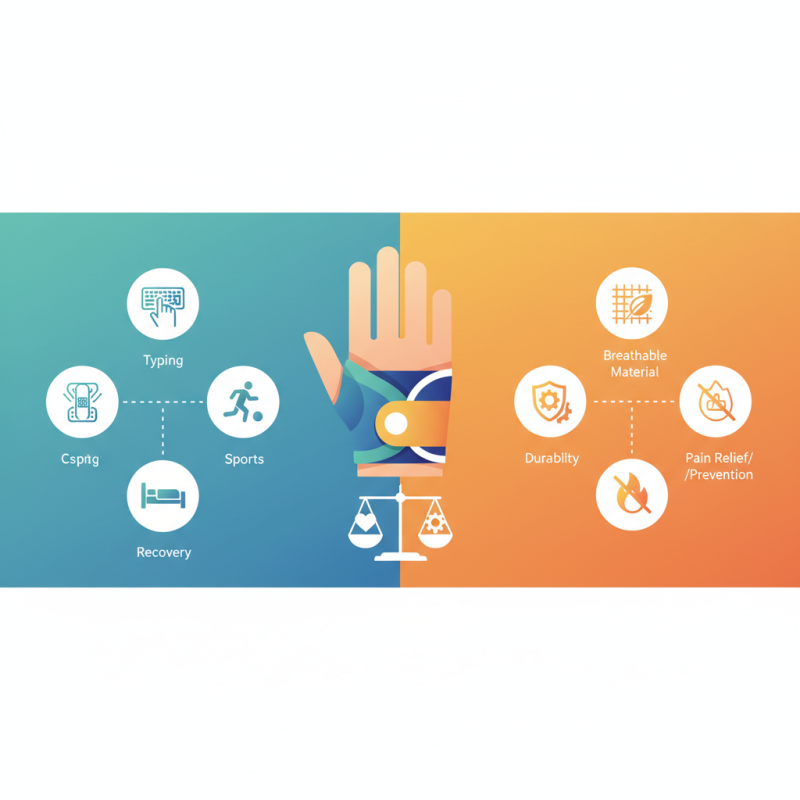
Consider your daily activities. Are you typing for hours? Or involved in sports? Each scenario has unique demands. A proper wrist support should align with these activities. Comfort is essential, but support is paramount. You may dislike a tight fit, yet it is often necessary for stability.
Some individuals overlook the importance of material. Breathable fabrics can enhance comfort during prolonged use. However, durability is equally important. You want something that lasts. Reflect on your most relevant needs. Are you dealing with pain, or is it preventative? Finding the right balance is key.
What to Consider When Selecting Wrist Support: Key Factors to Evaluate
Choosing the right wrist support can be challenging. You need to think about your specific needs. The activities you do most often play a role. For instance, someone who types a lot may need a softer, more flexible support. In contrast, athletes might require firmer options to prevent injury.
Consider the material of the wrist support. Is it breathable? Will it keep you comfortable during use? A fabric that irritates the skin can make wearing it unbearable. Padding is also important. Too much padding might restrict movement, while too little may not provide adequate support. Test the fit. It shouldn’t be too loose or too tight.
Finally, reflect on your past experiences. What worked? What didn’t? Consultation with a healthcare professional can also provide insights. They may highlight issues you hadn’t considered. It's easy to overlook details, but each plays a vital role in your decision. Choosing the best wrist support is about more than just comfort—it's about improving your daily life.
How to Choose the Best Wrist Support for Your Needs?
This chart illustrates the importance of various factors to consider when selecting wrist support. Comfort and support level are prioritized highest, indicating their significance in the decision-making process.
Types of Wrist Supports: Splints, Braces, and Elastic Supports Explained
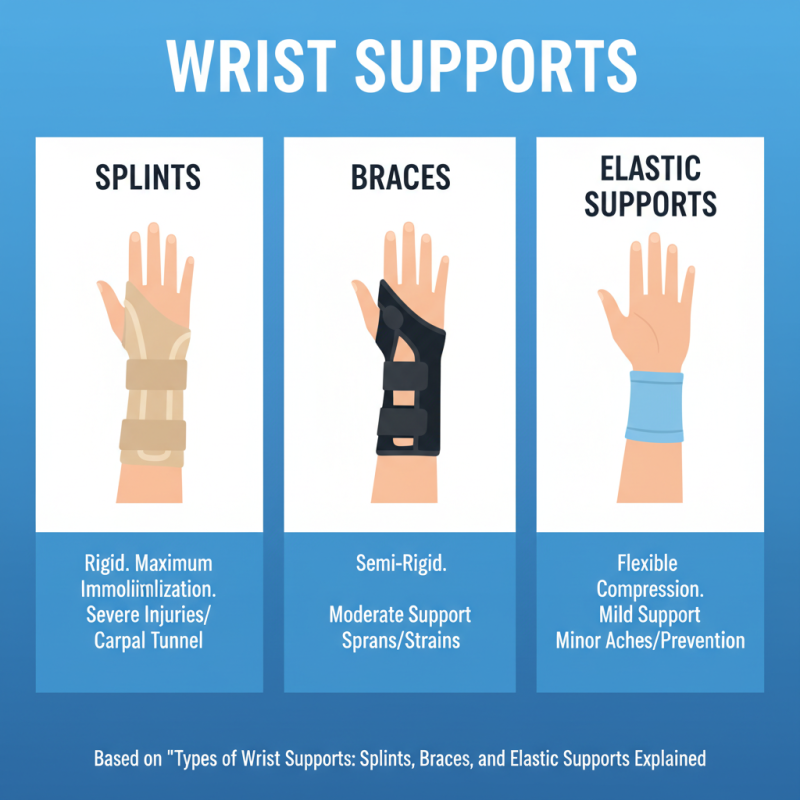
Wrist supports come in various types, each designed for specific needs. Splints are rigid devices, providing maximum support and immobilization. They are especially useful for severe injuries or conditions like carpal tunnel syndrome. Wearing a splint can restrict movement, which some may find uncomfortable. However, they help in healing by stabilizing the wrist.
Braces are more flexible. They offer support without full immobilization, allowing for some movement. These are ideal for those recovering from mild injuries or experiencing repetitive strain. A brace may not suit everyone, as some users feel it lacks the necessary support. Elastic supports, on the other hand, provide compression and warmth. They are great for minor sprains but won’t offer much rigidity. People often choose elastic supports for daily comfort, yet they sometimes find them ineffective for serious injuries.
Choosing the right wrist support can be a confusing process. Everyone’s needs differ. A support that works for one person may not help another. It’s crucial to test different types and assess their effects. Reflecting on your comfort and mobility after wearing specific supports will guide you to the best choice.
Understanding the Material: Breathability, Support, and Comfort Levels
Choosing the right wrist support involves understanding material options. Breathability, support, and comfort levels are crucial. A material that allows air circulation will keep your wrist cool. This is especially important during extended wear. If the support feels too hot, it can lead to discomfort.
Support level is another key factor. Some materials offer rigid support, while others are softer. Rigid options provide stability but may restrict movement. Softer materials allow for flexibility but can lack joint stability. Finding a balance between these features is essential.
Comfort is often overlooked. A support may provide excellent support but can irritate the skin. Look for materials with moisture-wicking properties. These help to reduce sweat and improve overall comfort. Trying on different models to gauge fit and feel can be helpful. Ultimately, your choice should cater to your individual needs. Reflect on your daily activities and consider how each material works for you.
How to Choose the Best Wrist Support for Your Needs?
| Material Type |
Breathability |
Support Level |
Comfort Level |
Recommended Use |
| Neoprene |
Moderate |
High |
Moderate |
Sprains, strains |
| Cotton |
High |
Low |
High |
Light support, daily wear |
| Elastic |
Very High |
Medium |
Very Comfortable |
Active use, moderate support |
| Brace with Splint |
Low |
Very High |
Moderate |
Injury recovery |
| Neoprene Blend |
Moderate |
High |
High |
Chronic pain |
Assessing Fit and Size: Importance of Proper Sizing for Effectiveness
Choosing the right wrist support hinges largely on finding the right fit and size. Proper sizing enhances the effectiveness of the support. An ill-fitting wrist support may cause discomfort or even worsen your condition. Measure your wrist circumference carefully. A snug fit is ideal, but it shouldn't feel restrictive.
Tips: Always check sizing charts. Small discrepancies can make a difference. If you're between sizes, opt for the larger option. It's better to have a little extra room than a too-tight fit.
Don’t forget to consider the material. Some fabrics may irritate sensitive skin. Look for breathable options that allow moisture to escape. A comfortable support means you're more likely to wear it consistently.
In the end, reflect on your needs and activities. A support that works for someone else may not work for you. Test different styles and sizes. Your comfort is paramount. Small adjustments can lead to significant improvements. Ensure that your wrist support empowers you, rather than hinders you.
Consulting Professionals: When to Seek Expert Advice for Wrist Support Choices
When considering wrist support options, consulting professionals is crucial. They possess the expertise to assess your specific needs. A physical therapist or sports medicine doctor can provide valuable insights. They evaluate your wrist condition and activity level. Their guidance ensures that your choice is tailored to your lifestyle.
It’s easy to overlook subtle pain or discomfort. Sometimes we dismiss it as mere fatigue. This approach can lead to improper choice of support. A professional helps to identify underlying issues. They can recommend specific types of wrist braces or exercises. Their recommendations are informed by experience and education, making them reliable.
Regular check-ins with a specialist can also enhance your recovery. As your condition evolves, so should your support solutions. An expert can track your progress, suggesting adjustments when necessary. Relying on self-diagnosis can lead to frustration and ineffective solutions. Seeking expert advice empowers you to make informed decisions that promote healing and prevention.