How to Choose the Best Upper Arm Brace for Support?
Choosing the right upper arm brace is crucial for effective support and recovery. Many people face challenges when selecting braces. With various types available, it can feel overwhelming. An upper arm brace should offer stability while allowing mobility. Incorrect choices may lead to discomfort or inadequate support.
When considering an upper arm brace, aim for ones that suit your specific needs. Look for adjustable options that can adapt to your arm size. Materials matter too; breathable fabrics can enhance comfort during wear. Some brands are known for their expertise. Researching reputable manufacturers can guide you toward quality choices.
However, personal experience plays a vital role. What works for one person may not work for another. Be open to experimenting with different styles. Seek professional advice if unsure about your needs. Ultimately, selecting the best upper arm brace involves balancing comfort, support, and personal preference.
Understanding the Purpose of an Upper Arm Brace for Support
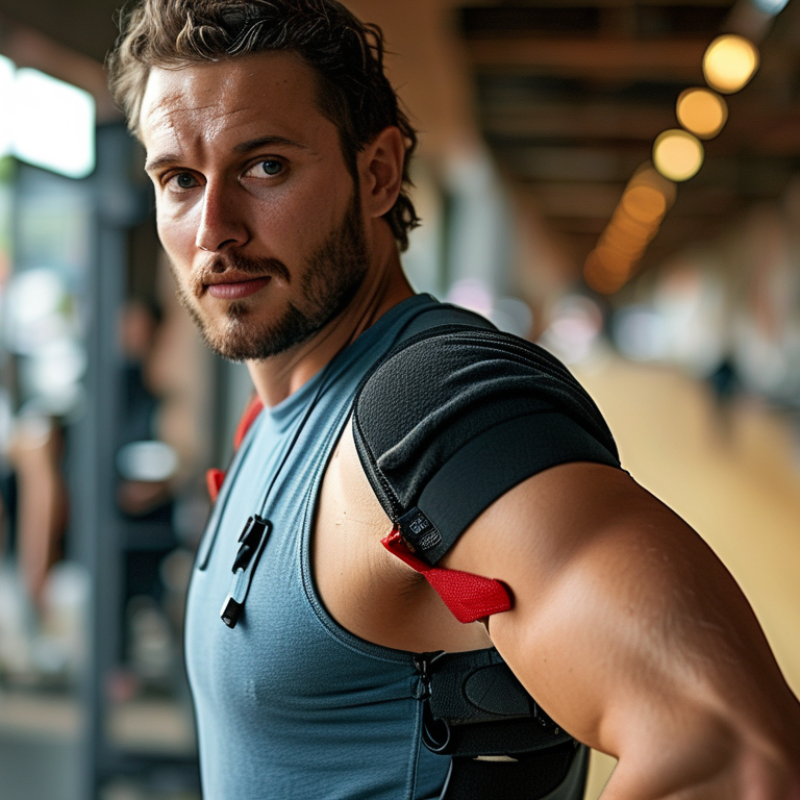
When choosing an upper arm brace, understanding its purpose is crucial. These braces offer support during recovery from injuries, strains, or surgeries. Their primary function is to stabilize the arm while allowing limited mobility. This feature is vital for people who need to maintain some level of activity during healing. However, the fit and comfort of the brace significantly impact its effectiveness.
A well-designed upper arm brace should prevent excessive movement without causing discomfort. Improper sizing can lead to irritation or even delayed recovery. It's essential to try the brace on and adjust it properly. Some users may find that they need a break from wearing it to avoid skin irritation. This necessity for adjustment highlights the importance of patience and self-awareness during the healing process.
In addition to physical support, an upper arm brace can influence mental well-being. Knowing you have support can boost confidence as you engage in daily tasks. Still, relying too heavily on the brace may hinder natural healing. It's vital to find a balance between support and reliance. This reflection can be challenging but is essential for a successful recovery journey.
How to Choose the Best Upper Arm Brace for Support?
| Feature |
Description |
Importance |
| Material |
Breathable and durable fabrics that provide comfort and support. |
High |
| Size Adjustability |
Ability to adjust size for a snug fit to enhance support. |
Medium |
| Support Level |
Different braces offer varying levels of support based on condition. |
High |
| Purpose of Use |
To alleviate pain, support recovery post-injury, or stabilization. |
High |
| Comfort Features |
Soft linings, padding, and breathable meshes enhance user comfort. |
Medium |
| Weight |
Should be lightweight for ease of wear throughout the day. |
Medium |
Types of Upper Arm Braces and Their Uses
Choosing the right upper arm brace involves understanding its types and uses. There are several kinds available, each designed for specific conditions. Compression sleeves provide support while promoting circulation. They are ideal for mild injuries or soreness. Rigid braces offer more stability for severe injuries. They can immobilize the arm, making them useful for post-surgery recovery.
When selecting a brace, consider your needs. A brace supporting your arm might not work well if it's too tight. A comfortable fit is essential. Assess the level of support you require. Too much support can limit mobility. Too little might not provide adequate protection.
Consult a healthcare professional if unsure. They can help determine the best type for your condition. Always read user reviews for insight. Personal experiences provide valuable information. Experiment with different options. Finding the right brace often requires some trial and error. Remember that your comfort and support level should be the priority.
Factors to Consider When Choosing an Upper Arm Brace
When selecting an upper arm brace, several factors come into play. Comfort is key. A brace should fit snugly but not too tightly. Look for breathable materials to prevent moisture buildup. Padding can enhance comfort, especially for extended wear.
The support level is also crucial. Consider what activities you will engage in. A brace designed for light support may suffice for daily tasks. For sports or rehabilitation, a sturdier option may be necessary.
Adjustability is another important feature. A brace that can be customized to your arm size will provide better support. This prevents any slippage during movement. Closure mechanisms like Velcro or straps can offer flexibility. Evaluate how easy they are to use.
Finally, consult a healthcare professional for advice. Their experience can guide you toward suitable options. Everyone's needs differ; what works for one may not work for another. Test a few different models. Finding the right brace can take time and patience.
How to Measure Your Arm for the Right Fit
Finding the right upper arm brace for support starts with accurate measurements. Knowing how to measure your arm properly can make a significant difference in comfort and effectiveness.
To measure your arm, lift your arm to a 90-degree angle. Use a flexible measuring tape around your bicep and tricep. Make sure to take note of the circumference at the widest part. It’s essential to be precise—too tight can restrict blood flow, while too loose may not provide adequate support. After you have your measurements, refer to sizing charts for the best fit.
When selecting an upper arm brace, consider your activity level. A heavier brace often provides more support, but it can also limit mobility. If you’re active, find a balance between support and flexibility. Different materials also impact comfort; breathable fabrics can enhance wearability. Sometimes, trying on a brace can reveal what measurements alone can’t.
Many people overlook the importance of fit. A brace that feels uncomfortable may lead to repeated adjustments during use. Reflections on your experience can lead to better choices. Don’t hesitate to seek advice from healthcare professionals if you're unsure about your selection. Choosing the right brace is personal; it requires both research and introspection.
Top Brands and Recommendations for Upper Arm Braces
When choosing the best upper arm brace for support, consider your specific needs. A variety of options cater to different conditions, from tendonitis to post-surgery recovery. Look for features that provide both support and comfort.
Adjustable straps can enhance fit and stability, ensuring the brace doesn’t become a distraction.
Weight is another factor. Lightweight materials often provide better breathability and comfort, allowing for longer wear. Some braces also offer additional padding. This can help reduce pressure on sensitive areas, which is crucial for prolonged wear. However, balance is key; too much padding can limit movement.
Evaluate reputable brands known for quality and effectiveness. Research customer reviews and ratings, which can offer insights into performance. Don’t overlook the importance of sizing; a poorly fitted brace can lead to inadequate support. Test different options if possible. It’s essential to find what feels right. Remember, it's okay to seek expert advice. Consulting with a healthcare professional can help determine the best choice for your needs.