How to Choose the Right Vascular Access Device at the 2026 Canton Fair?
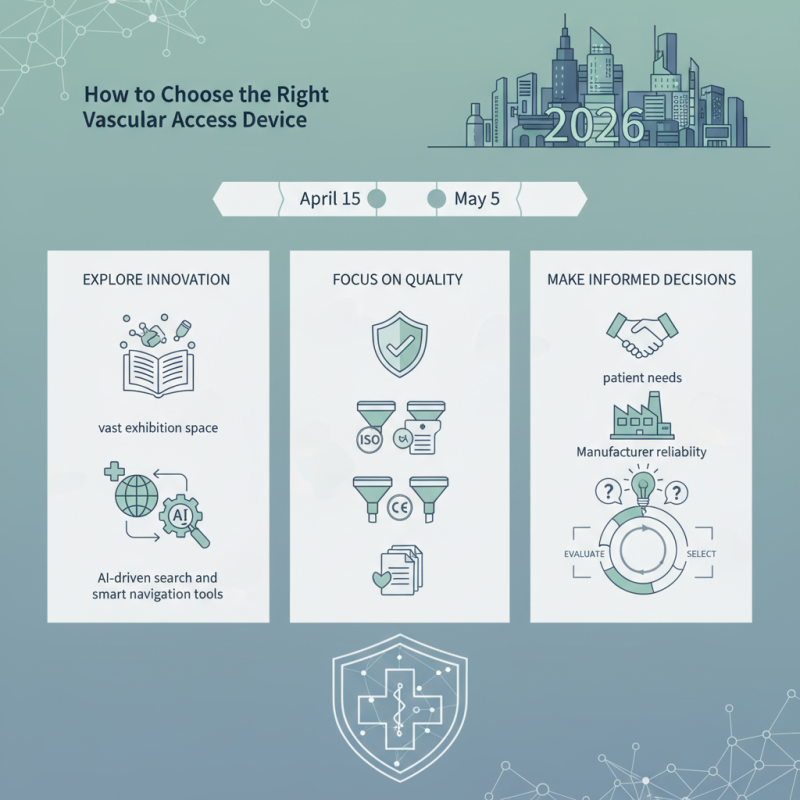
The 2026 Canton Fair presents a unique opportunity for healthcare professionals seeking the right Vascular Access Device. With the event spanning from April 15 to May 5, exhibitors will showcase the latest innovations in medical technology. The fair is not just a marketplace; it is a hub for advancements in healthcare solutions, particularly in vascular access.
Navigating the vast exhibition space of 1.55 million square meters might seem overwhelming. However, the introduction of AI-driven search and smart navigation tools enhances the experience greatly. Buyers can filter suppliers based on specific credentials, such as ISO and CE certifications. This technology ensures that attendees focus on quality and compliance—a critical aspect when choosing medical devices.
Yet, selecting the right Vascular Access Device remains a challenge. It requires careful consideration of patient needs and manufacturer reliability. It's essential to ask questions, evaluate options, and even reconsider previous choices. This reflection is crucial in making informed decisions that can significantly impact patient care. The Canton Fair, with its focused themes and smart tools, aims to facilitate this important process.
Understanding Vascular Access Devices: Types and Uses
Vascular access devices (VADs) play a crucial role in healthcare. They are essential for delivering medications, fluids, and for drawing blood. Different types of VADs cater to specific needs. Some are temporary, while others are designed for long-term use. This diversity can make choosing the right device challenging.
Peripheral vascular access devices are common in hospitals. They are easy to insert and remove, making them convenient for short-term needs. However, they may not be suitable for all patients. In contrast, central vascular access devices provide long-term solutions. They allow for continuous therapies but require more care. Selecting between these options requires careful consideration of patient's condition and treatment goals.
There are also emerging options, such as implantable ports. These devices can be lifesavers when repeated access is necessary. However, they come with risks, such as infections. It's essential to weigh the benefits against the potential complications. Reflection on these factors will lead to better decision-making at events like the Canton Fair.
Choosing the Right Vascular Access Device at the 2026 Canton Fair
This chart illustrates the usage frequency of different types of vascular access devices. Peripheral IV catheters are the most commonly used, accounting for 45% of usage, followed by Central Venous Catheters at 25%. Midline catheters and implantable ports share equal usage at 15% each. This data is crucial for making informed decisions at the 2026 Canton Fair.
Identifying Patient Needs: Factors to Consider for Device Selection
Choosing the right vascular access device requires a thorough understanding of patient needs. One critical factor is the patient's medical history. Conditions such as diabetes or obesity can affect device choice. A historical review of vein conditions is also crucial. Some veins might be more difficult to access.
Another key aspect is the duration of access required. Short-term devices differ from long-term solutions. For example, if a patient needs access for a few days, a simple IV may suffice. However, for prolonged treatment, a more durable option like a PICC line would be necessary. Understanding patient comfort is essential as well. Some devices can cause discomfort, leading to anxiety or resistance.
Additionally, the clinician's skill level matters. It's important to recognize the staff's experience with specific devices. Not all clinicians are equally skilled in placing or maintaining every type of vascular access. This reality can influence patient outcomes. Regular staff training and evaluation are recommended. Moreover, limitations exist in terms of available devices. Supply constraints may lead to suboptimal choices. Reflecting on these factors can support informed decision-making.
Evaluating Device Features: Reliability, Safety, and Comfort
Choosing the right vascular access device is critical for patient care. At the 2026 Canton Fair, evaluating device features is key. It's essential to focus on reliability, safety, and comfort. A reliable device minimizes the risk of complications. Look for products that have proven performance in various clinical settings.
Safety cannot be overlooked. Devices should have features that reduce the risk of infection. Look for designs that simplify the insertion process. Ergonomics plays a role here. A comfortable device reduces patient anxiety. Consider how it feels in the hand. Does it allow precise control? These factors influence both patient and clinician experiences.
However, finding the perfect device is challenging. Manufacturers may highlight ideal features, but real-world performance can differ. Some devices may promise ease of use but fall short in practice. This highlights the need for careful evaluation. Take time to assess feedback from other users. Reflections on experiences can guide better choices. The right device can make a significant difference in care outcomes.
Exploring the Latest Innovations in Vascular Access Technology
As we look forward to the 2026 Canton Fair, vascular access technology is evolving rapidly. New devices promise to enhance patient safety and comfort. Innovations now focus on reducing infection rates and improving accessibility. Many devices incorporate advanced materials that minimize tissue trauma. When evaluating these innovations, pay attention to their design.
However, navigating these options may feel overwhelming. Many devices include complex features that may not suit every clinical setting. Some may require extensive training that could hinder timely implementation. It’s crucial to consider ease of use alongside technological advancements. Sometimes, simplicity is more effective in a high-pressure environment.
Don’t overlook the importance of feedback from healthcare professionals. They can offer insights on practical application and device effectiveness. User experience can reveal the strengths and weaknesses of new vascular access devices. Ongoing reflection on what works best in actual use is essential. Always remain open to adjusting your choices based on real-world outcomes.
Making Informed Decisions at the Canton Fair: Tips for Attendees
Attending the Canton Fair is an exciting opportunity. However, making informed choices can be challenging. For instance, the variety of vascular access devices may overwhelm attendees. It’s essential to research different types before you arrive. Check online resources, read reviews, and gather insights from previous attendees.
During the fair, engage with suppliers. Ask direct questions about the devices. Observe their setup and how they demonstrate functionality. Pay attention to any inconsistencies in their responses. This could indicate potential issues. Take notes on device features and compare them later. A clear understanding of your needs will guide better decision-making.
Remember, not every device will suit your requirements. Some may promise more than they deliver. Reflect on your experiences while exploring. What did you like? What raised concerns? Use these reflections to refine your choices. In the end, filling gaps in information can lead to better outcomes.