How to Choose the Right Patient Care Products for Optimal Health?
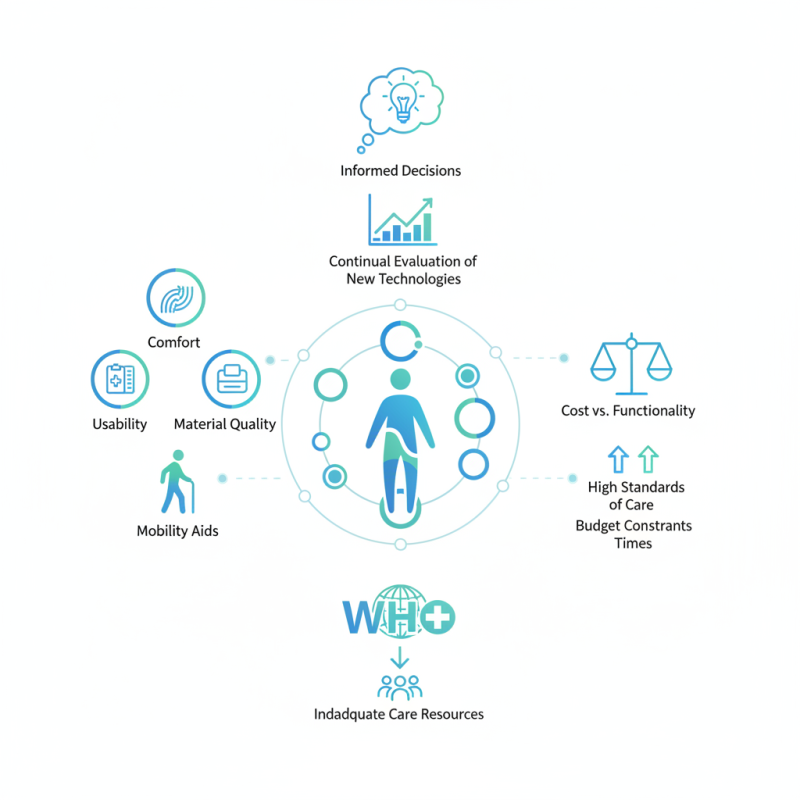
Choosing the right patient care products is essential for achieving optimal health outcomes. According to the World Health Organization, nearly 100 million people experience poor health due to inadequate care resources. This statistic highlights the importance of selecting high-quality patient care products that meet specific needs.
Various factors affect the effectiveness of these products. For example, comfort, usability, and material quality are crucial considerations. Studies show that patients using suitable mobility aids experience less pain and improved recovery times. However, many healthcare providers still lack awareness of the latest innovations in patient care products. This gap leads to suboptimal patient experiences.
Moreover, the selection process can be overwhelming. Health care professionals must balance cost with functionality. The challenge lies in ensuring that products meet both budget constraints and high standards of care. As new technologies emerge, continual evaluation becomes necessary. In the end, making informed decisions regarding patient care products can significantly impact patient well-being and recovery trajectories.
Understanding the Importance of Patient Care Products in Health Management
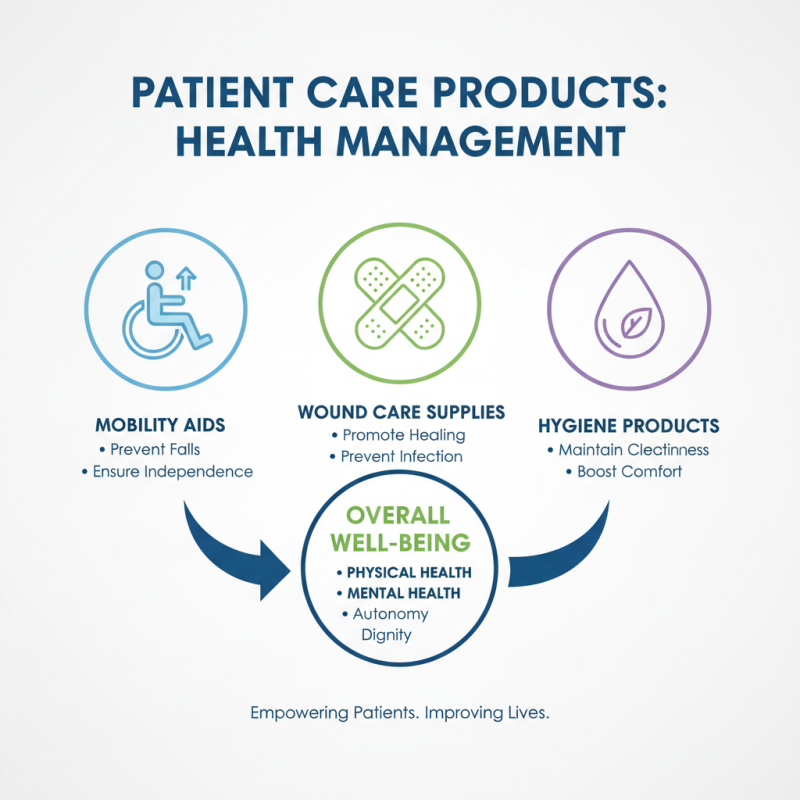
Patient care products play a crucial role in health management. They include items like mobility aids, wound care supplies, and hygiene products. Each of these contributes to a patient's overall well-being. For instance, the right mobility aid can prevent falls and ensure independence. This impacts both physical and mental health, fostering a sense of autonomy.
Understanding how to select these products is vital. Patients often need specific features to suit their conditions. A simple wheelchair may not meet everyone’s needs; adjustments might be necessary. Additionally, caregivers must be informed. They must understand the proper use of each product. Misuse can lead to complications, escalating health issues.
Moreover, it's important to regularly review these choices. Preferences and needs can change over time, especially with chronic conditions. A product that worked well last year may no longer suffice. This makes continuous evaluation essential. By prioritizing the right patient care products, we empower individuals to manage their health more effectively.
Identifying Different Types of Patient Care Products and Their Uses
Choosing the right patient care products is crucial for maintaining optimal health. Different types of products exist, each serving unique purposes. For example, mobility aids help patients move safely. According to a recent industry report, over 20% of elderly patients require mobility assistance in their daily activities. This statistic highlights the importance of selecting suitable devices for enhancing mobility.
Nutritional support products are also vital. These include supplements and specialized dietary items, which play a significant role in recovery. A study shows that nearly 30% of hospitalized patients experience malnutrition. This can hinder healing processes and prolong hospital stays. Selecting appropriate nutritional products can significantly improve health outcomes.
It’s essential to evaluate various patient care items critically. Some products may not fit every patient's needs, leading to dissatisfaction. Research indicates that about 15% of patients feel that their care products were poorly matched to their health requirements. Being informed and reflective about these choices can improve overall patient satisfaction and health.
How to Choose the Right Patient Care Products for Optimal Health?
| Product Type |
Description |
Uses |
Considerations |
| Mobility Aids |
Devices that assist individuals in moving around. |
For patients with reduced mobility or recovering from surgery. |
Assess the patient's strength and balance. |
| Patient Monitors |
Equipment that tracks vital signs. |
Used in hospitals to monitor heart rate, blood pressure, etc. |
Ensure ease of use and accuracy in readings. |
| Incontinence Products |
Products designed to absorb or contain urine and feces. |
For elderly or patients with bladder control issues. |
Check for skin sensitivity and product sizing. |
| Wound Care Supplies |
Items used to treat and dress wounds. |
For patients recovering from surgery or injuries. |
Consider the type and severity of the wound. |
| Nutrition Support |
Products that aid in providing essential nutrients. |
For patients with difficulty eating or malnutrition. |
Assess dietary restrictions and preferences. |
Considering Patient Needs and Preferences in Product Selection
Choosing patient care products goes beyond product specifications. It involves understanding individual needs and preferences. Every patient is unique. Some may prioritize comfort, while others focus on ease of use. Listening to their experiences can lead to better choices in product selection.
Tips: Always ask patients what they value in care products. Consider conducting surveys or simple interviews. This input can guide your choices more effectively. Don’t assume that what works for one person works for all. Personal experiences vary widely.
Consider the settings where products will be used. A wheelchair may be ideal for some, while others prefer walking aids. Pay attention to environmental factors and accessibility. Is the product easy to maneuver in various spaces? Sometimes, options that seem perfect on paper can fall short in real-life situations. It’s important to remain flexible and be willing to adapt choices based on ongoing feedback.
Strategies for Budgeting and Sourcing Affordable Patient Care Products
Choosing affordable patient care products requires careful planning. Start by assessing your specific needs. What kind of products are essential for optimal health? Create a list of necessities. Focus on quality and durability. In some cases, cheaper options may prove less effective in the long run.
Budgeting for these items can be tricky. Set a strict budget that reflects your financial situation. Research local suppliers and online marketplaces. Look for sales or bulk purchase discounts. Some suppliers offer rewards programs. Take advantage of these opportunities to save money. Use community resources like local health clinics or non-profit organizations for additional support.
It’s also wise to reflect on the choices you make. Were the products you bought really necessary? Did you consider sustainable options? Sometimes we prioritize price over value, leading to regrettable purchases. It can be challenging to balance costs with health benefits. Engage with community forums for shared experiences and advice. This can guide you toward more informed decisions.