How to Choose Pocket Filter Media for Optimal Air Quality?
Choosing the right pocket filter media is crucial for maintaining optimal air quality. The effectiveness of air filtration systems largely depends on the media used. Pocket filter media plays a direct role in capturing dust, allergens, and other pollutants. Selecting the right type can significantly enhance air cleanliness.
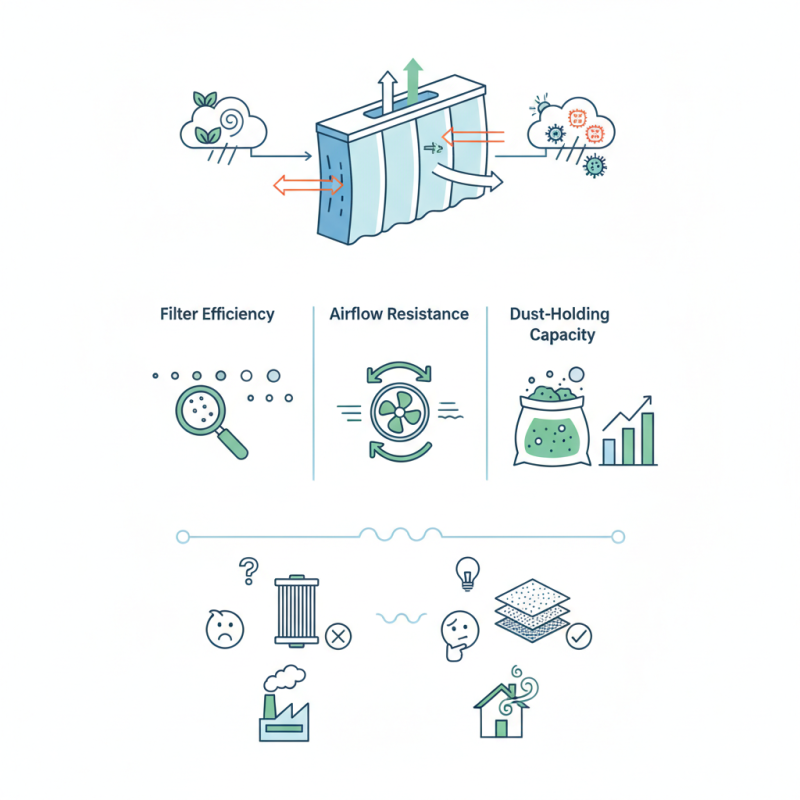
Various factors influence the choice of pocket filter media. These include filter efficiency, airflow resistance, and dust-holding capacity. Not all pocket filters perform the same. Some may trap larger particles effectively, while others focus on fine particulates. Understanding these differences can make a noticeable impact on indoor air quality.
Despite advancements, there are always challenges. Users may overlook specific requirements for their environments. This could lead to suboptimal filtration. It's important to take the time to assess needs carefully. A thoughtful approach to selecting pocket filter media ensures better health and air quality in the long run.
Understanding Pocket Filter Media: An Overview
When it comes to indoor air quality, pocket filter media plays a crucial role. These filters capture airborne particles and pollutants effectively. According to a 2023 industry report, filters with a MERV rating of 13 or higher can capture up to 90% of particles like dust and pollen. This level of filtration significantly improves air quality in commercial and residential spaces.
Choosing the right pocket filter media involves considering several factors. Material type is one of them. For instance, synthetic media often offers a longer lifespan than fiberglass options. The right choice can mean the difference between efficient air cleaning and frequent replacements. Moreover, factors like airflow resistance and dust holding capacity should be evaluated. A high resistance can reduce system efficiency, leading to increased operational costs.
Understanding these elements is vital, yet many overlook them. Often, users prioritize cost over efficiency. This may lead to higher energy bills and poor air quality. Regular maintenance is essential as well. Filters need replacement at intervals based on usage. Failure to do so can result in a decline in air quality and increased health risks.
Key Factors in Selecting Pocket Filter Media
Choosing the right pocket filter media is essential for maintaining optimal air quality. Various factors come into play when making this choice. First, consider the filter's efficiency rating. This indicates how well it captures dust and other particulate matter. Higher efficiency often means better air quality but can result in higher pressure drops.
Another key factor is the type of material used. Different materials present unique characteristics. For instance, synthetic fibers can offer better moisture resistance than traditional options. However, they may also be more expensive. It’s important to weigh the pros and cons of each material. Look for durability and maintenance requirements. Some filters need frequent replacements, adding to upkeep costs.
Finally, consider the application environment. Filters used in industrial settings may require thicker media due to higher pollutant levels. For residential use, a less robust filter might suffice. It’s crucial to reflect on the specific air quality challenges faced in your space. Balancing these factors can lead to a more informed decision, promoting better air quality in the long run.
Types of Pocket Filter Media and Their Applications
Choosing the right pocket filter media is essential for maintaining good air quality. There are various types of pocket filters available, each with distinct applications. Some filters are designed for high-efficiency particulate air (HEPA) filtration, which captures tiny particles. Others focus more on general air cleaning, which might not be as effective for fine dust.
Synthetic materials are popular due to their durability. They resist moisture and are suitable for diverse environments. On the other hand, fiberglass filters are lightweight and easy to handle, but they may not capture as many particles. It's crucial to consider the specific needs of your space. For example, industrial areas require different standards compared to residential settings.
Understanding the filter's MERV rating helps in making informed choices. A higher rating means better filtration but can restrict airflow. This may lead to increased energy costs. Regular maintenance is necessary to ensure optimal performance. A filter that clogs quickly can hinder air quality rather than improve it. Evaluating your filter choices regularly is key to air cleanliness. Always consider the balance between filtration efficiency and airflow to achieve the best results.
Evaluating Filter Efficiency for Air Quality Improvement
When choosing pocket filter media, it's essential to evaluate filter efficiency to improve air quality effectively. The efficiency of a filter is measured by its ability to capture particles of different sizes. Some filters may excel at trapping larger particles but struggle with finer pollutants. This discrepancy can lead to subpar air quality in spaces where cleanliness is crucial.
It’s also vital to consider the environment in which the filter will be used. For example, filters meant for industrial settings must withstand higher levels of contaminants. However, some filters may not perform as expected under these conditions. Regular testing and monitoring of filter performance can reveal whether the media is truly effective. It’s crucial to remain conscious of the trade-offs; higher efficiency often means higher resistance to airflow. This can lead to increased energy consumption.
Investing time in understanding the types of pollutants present in your environment is beneficial. Not all filters are created equal, and what works in one setting may not work in another. Balancing efficiency, cost, and energy use is not straightforward. It requires ongoing evaluation and adjustments to ensure optimal air quality. Regular reflection on your choices can lead to better outcomes in the long run.
Air Filter Efficiency Comparison for Pocket Filter Media
Maintenance Considerations for Pocket Filters in HVAC Systems
Regular maintenance of pocket filters is crucial for effective air quality management. Studies show that neglecting filter upkeep can lead to a 20-30% drop in HVAC efficiency within just a few months. Changing filters on time helps maintain optimal airflow and reduces energy consumption. When filters are clogged, the system works harder, leading to increased operating costs.
Monitoring pressure drops across filters is essential. Significant changes may indicate dirt buildup or filter wear. For example, a pressure drop exceeding 0.5 inches of water gauge often signals that filters need replacement. Using differential pressure gauges can be helpful for this. Routine inspections are necessary, but many facilities overlook this task. This gap can lead to bigger issues down the line.
Education on filter selection and maintenance remains limited. Some facility managers prioritize cost over quality. This approach can be shortsighted. A low-quality filter may save money initially, but it can result in costly repairs later. Engaging in proper education and training can bridge this knowledge gap, ensuring better decision-making for advantageous air quality and system performance.