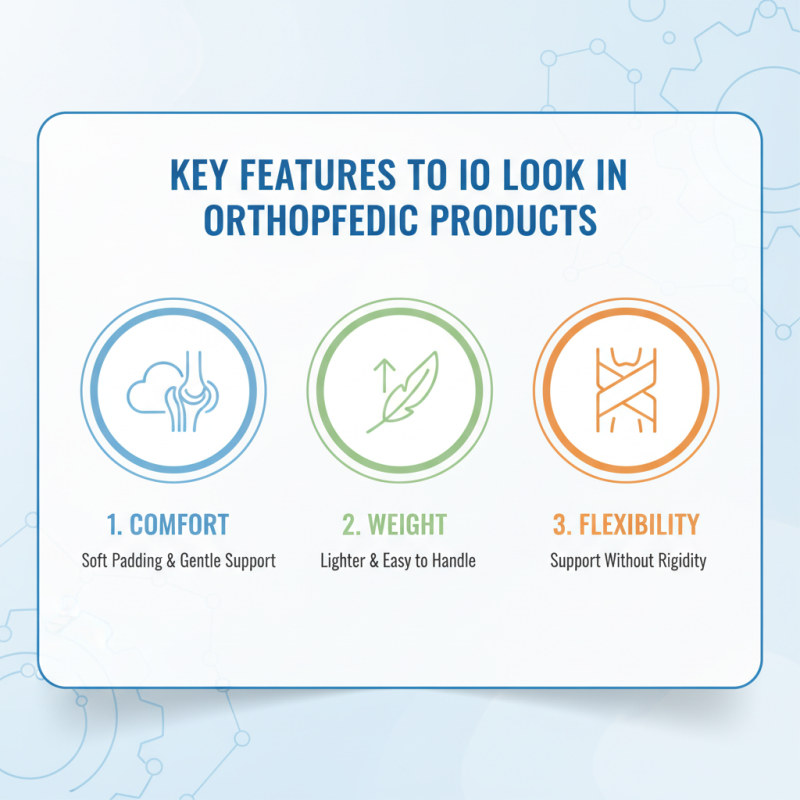
How to Choose the Best Orthopedic Products for Your Needs?
Choosing the right orthopedic products can significantly impact your comfort and mobility. Dr. John Anderson, an orthopedic surgeon with over 25 years of experience, once stated, “The right support is key to recovery and daily function.” This resonates deeply in today’s market where options abound.
Navigating through various choices demands careful thought. Patients must consider their unique needs and preferences. Details, like the type of material in braces or the design of insoles, play a crucial role. A poorly chosen orthopedic product can cause discomfort or even exacerbate existing problems.
Additionally, quality certifications, such as ISO and CE, become essential indicators of reliability. In an age of quick information, an informed choice can prevent costly mistakes. When exploring orthopedic products, it’s essential to reflect on personal health goals and seek professional advice if needed. This thoughtful approach ensures that the final choice aids in promoting better health and well-being.
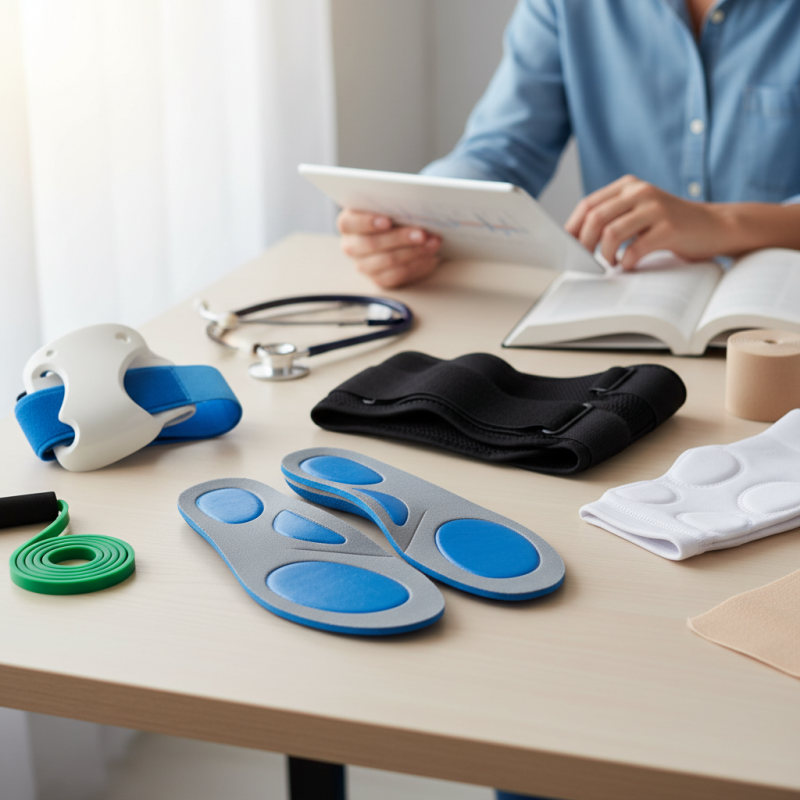
Understanding Orthopedic Products: Types and Functions
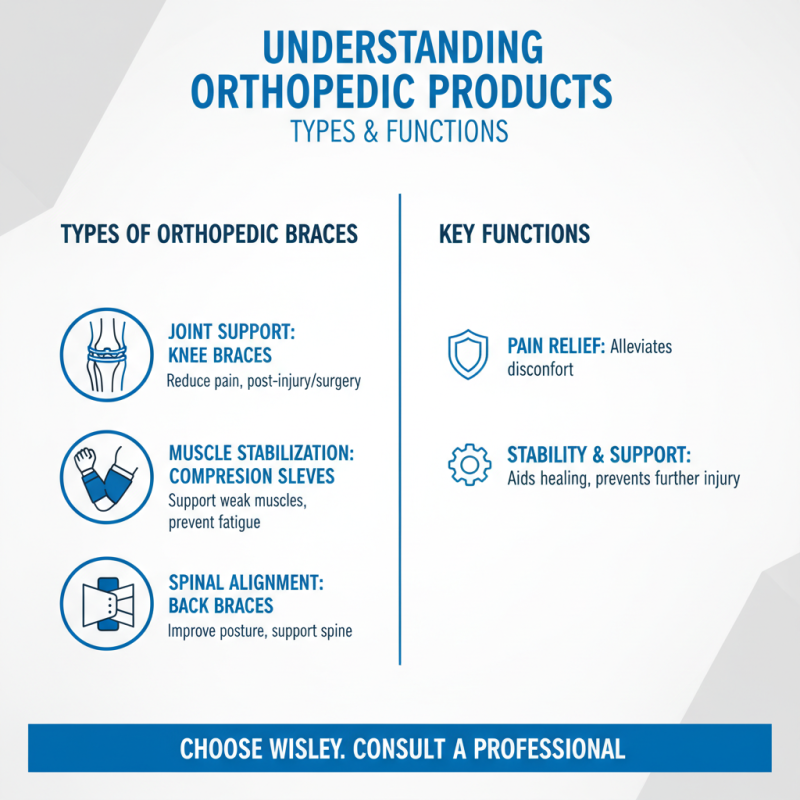
When selecting orthopedic products, understanding their types and functions is crucial. Orthopedic braces come in many styles. Some support joints, while others stabilize muscles. For example, knee braces can help reduce pain during physical activity. They are often used after injuries or surgeries.
Another common category includes orthopedic shoes. These are designed to reduce discomfort and support foot health. Many people do not realize that proper footwear can significantly affect posture and alignment. Shoes with firm soles and arch support can help distribute weight evenly.
Finally, there are orthotic devices. These are custom-fitted to correct misalignments and improve function. Some users struggle to adapt to them initially. They can feel bulky or uncomfortable. It's essential to consult a specialist to ensure the best fit and function. Finding the right product might take time and experimentation. This process is personal and varies greatly from one individual to another.
Evaluating Your Specific Orthopedic Needs and Conditions
When choosing orthopedic products, assessing your specific needs becomes crucial.
Identify your condition. Do you suffer from chronic pain, arthritis, or recent injuries?
Each situation requires different support. For instance, those with lower back pain might need
lumbar support while knee pain could call for braces.
Think about comfort and fit. An ill-fitting product can worsen your condition.
Measure carefully, and don’t hesitate to try before you buy. There’s often a learning curve with new products.
You might not find relief immediately, and adjustments could be necessary. It’s okay to seek advice from healthcare professionals.
Your lifestyle matters too. Are you active, or do you mostly sit?
This influences the type of support you should seek. Keep in mind that some products may provide temporary relief
but won’t solve underlying issues. Reflect on the long-term benefits versus the
short-term fixes. Prioritize products that align with your health goals rather than quick solutions.
Budget Considerations: Finding Quality Within Your Price Range
When considering orthopedic products, budget plays a crucial role. High-quality products can be expensive, yet affordable options exist. Finding the right balance ensures you get what you need without overspending. Look for items that provide support, comfort, and durability.
Tips: Research materials used in the products. Some affordable options might use inferior materials. You may compromise on long-term use with cheaper choices. Read reviews from reliable sources to gain insight into the product’s effectiveness.
Another point to consider is warranty and after-sale service. A product might seem budget-friendly, but if it wears out quickly, costs can rise. Ensure a warranty covers potential defects. This could save money in the long run.
Tips: Create a list of essential features you need. Prioritize them based on importance. Sometimes, it’s tempting to buy fancy extras that won’t be used. Reflect on what truly enhances your daily life. Avoid impulse buys; think it through.
Where to Buy: Trusted Sources for Orthopedic Products
When it comes to orthopedic products, knowing where to buy is essential. Your choices can significantly impact your health. Look for retailers that specialize in orthopedic equipment. They often have well-trained staff who can provide guidance. Consider checking out local pharmacies or medical supply stores. They usually carry a range of items from braces to supportive footwear.
Online shopping is another convenient option. Websites dedicated to health products often have extensive inventories. However, be cautious. Not all online sources are reliable. Check for customer reviews and ratings first. Many users share their experiences, which can help guide your decision. Take your time when selecting a store. Quality matters, but so does the reputation of the seller.
Visiting orthopedic clinics can also provide insight. Many professionals recommend specific products based on individual needs. Sometimes, they might even have partnerships with vendors, leading to better deals or recommendations. If a product does not feel right after use, don’t hesitate to seek feedback. It's important to adjust your choices to find what truly supports your wellbeing. Always remember that what works for one person may not work for another.
Comparison of Popular Orthopedic Products