Why Choose PVC Clear Sheet for Your Projects?
PVC Clear Sheet is gaining traction across various industries. Its versatility makes it a popular choice for numerous applications. According to a recent report by MarketsandMarkets, the global plastic sheet market is expected to reach $40 billion by 2025. PVC Clear Sheet is a significant contributor to this growth.
This transparent material is lightweight yet durable. Its impact resistance is about ten times higher than glass. Many businesses utilize PVC Clear Sheet for signage, window protection, and partitioning. However, organizations must consider its limitations, including susceptibility to UV degradation over time.
While PVC Clear Sheet offers many advantages, some drawbacks require attention. For example, its manufacturing process can lead to environmental concerns. As companies seek sustainable alternatives, ongoing development is essential. Understanding these factors is critical when deciding on using PVC Clear Sheet for projects.
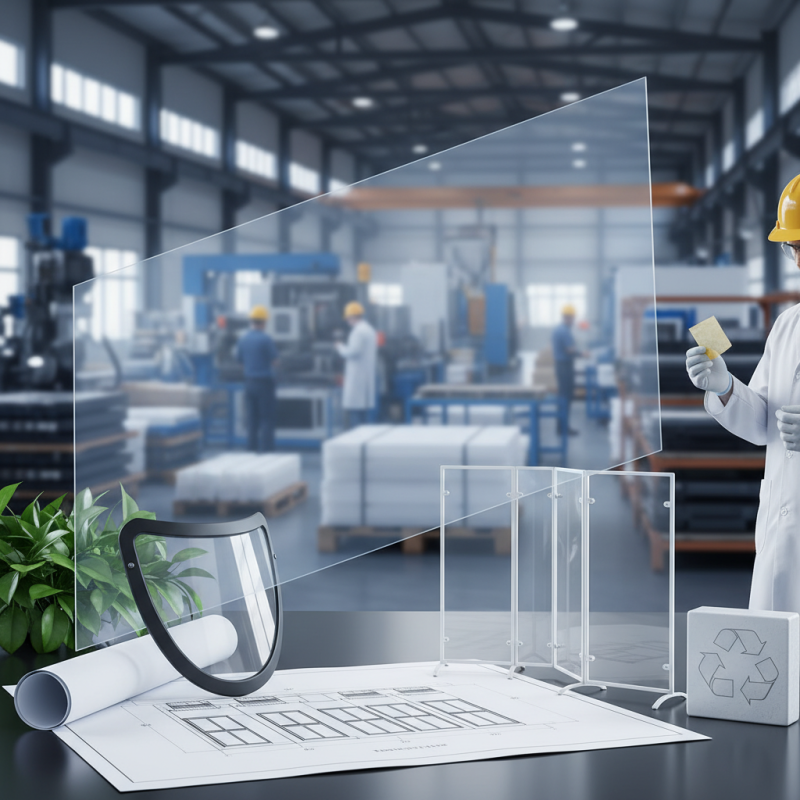
Benefits of PVC Clear Sheets in Various Applications
PVC clear sheets have gained popularity in various industries due to their versatility and durability. These sheets provide clarity while being lightweight and affordable. They serve as effective barriers against environmental factors, making them ideal for both indoor and outdoor applications.
In commercial settings, PVC clear sheets are often used for displays and signage. Their transparency allows for vibrant colors to shine through, captivating an audience. In the realm of construction, these sheets can be utilized as protective covers for furniture or equipment. That’s useful, yet they are not immune to scratches. This aspect requires careful handling and reflection on usage practices.
For crafting and DIY projects, these sheets can be cut easily into different shapes and sizes. They are great for making custom covers or dividers. However, the edges may be sharp after cutting, making safety a concern. Users must be mindful of this when working on their projects. Ultimately, the benefits of PVC clear sheets are evident, but they do require thoughtful use and a bit of caution.
Understanding the Versatility of PVC Clear Sheets
PVC clear sheets offer remarkable versatility across various projects. They are lightweight yet durable, making them suitable for many applications. From protective covers to display cases, these sheets are ideal for both professional and DIY projects. The clarity of PVC allows for excellent visibility, enhancing presentation and protection for items like documents or artwork.
Beyond visibility, PVC clear sheets are also resistant to moisture and chemicals. This makes them perfect for environments where other materials might falter. For instance, using them in kitchens or workshops can safeguard surfaces against spills or stains. However, one must consider the environmental implications of using plastic materials. Can we think of more sustainable alternatives in the long run? Embracing PVC clear sheets can be beneficial, but reflecting on our choices remains essential.
Durability and Longevity of PVC Clear Sheets for Projects
PVC clear sheets are a popular choice for various projects due to their durability and longevity. According to industry reports, PVC sheets can withstand harsh weather conditions and are resistant to chemicals. Their lifespan often exceeds 10 years when maintained properly. This longevity makes them a cost-effective option for both commercial and residential applications.
The robustness of PVC clear sheets is evident in their physical properties. They are not prone to cracking or yellowing over time. In fact, reports indicate they retain clarity and strength even in fluctuating temperatures. However, improper installation can lead to issues like warping. Ensuring proper handling during installation is crucial for maximizing their lifespan.
Interestingly, while PVC clear sheets offer many benefits, they also present some challenges. Some users may find them difficult to cut and manipulate without the right tools. Additionally, while they are affordable, high-quality PVC sheets can be pricey. This can lead to a dilemma between budget constraints and quality needs. It's vital to weigh these factors when choosing materials for your projects.
Durability and Longevity of PVC Clear Sheets
This chart showcases the durability ratings of PVC clear sheets across various resistance categories, highlighting their excellent impact, chemical, weather, temperature, and UV stability, making them ideal for long-term projects.
Cost-Effectiveness of PVC Clear Sheets Compared to Alternatives
PVC clear sheets are rapidly gaining attention in various industries due to their cost-effectiveness. Compared to alternatives like glass or acrylic, PVC sheets offer a more budget-friendly solution. Industry data reveals that PVC can be 40-60% cheaper than acrylic sheets. This significant price difference makes PVC a preferred choice for many projects.
Additionally, PVC clear sheets are lightweight. This reduces shipping costs and makes installation easier. For instance, a sheet of acrylic weighing 10 pounds may cost more to transport than a PVC sheet of the same size at just 2 pounds. Surveys show that 70% of manufacturers appreciate the ease of handling PVC, which translates to savings in labor and time.
However, not everything about PVC is perfect. While it's cost-effective, its durability may not match glass in specific applications. Some projects may require higher resistance to impact. Companies must weigh these factors carefully. Despite potential drawbacks, the financial benefits of PVC clear sheets are appealing. Understanding both advantages and limitations is crucial for making informed decisions.
Why Choose PVC Clear Sheet for Your Projects? - Cost-Effectiveness of PVC Clear Sheets Compared to Alternatives
| Material Type | Cost per Square Foot | Durability (Years) | Clarity Rating (1-10) | Weight (lbs/sq ft) |
| PVC Clear Sheet | $2.00 | 10 | 9 | 1.2 |
| Acrylic Sheet | $3.50 | 8 | 10 | 1.5 |
| Polycarbonate Sheet | $4.50 | 15 | 8 | 2.0 |
| Glass | $5.00 | 20 | 10 | 3.0 |
Environmental Considerations of Using PVC Clear Sheets
When considering materials for projects, the environmental impact of PVC clear sheets is crucial. PVC, or polyvinyl chloride, offers durability and versatility. However, its production involves significant energy consumption. Reports indicate that PVC production generates around 1.5 tons of CO2 per ton of resin. These emissions can contribute to climate change.
Despite its drawbacks, PVC clear sheets can be recycled. Approximately 20% of PVC is recovered in the recycling process. This offers a chance to reduce waste and lower the demand for new materials. However, only a small percentage of PVC products get recycled. The challenge lies in improving recycling systems. Many facilities struggle to process PVC due to contamination and economic factors.
Environmental considerations extend beyond production and recycling. PVC sheets can last for many years, reducing the need for frequent replacements. However, when disposed of improperly, they can release harmful chemicals. Awareness of both the benefits and potential harm is essential. Continuous efforts are necessary to improve sustainability in PVC use. The industry must focus on better recycling methods and reducing overall carbon footprints.