How to Choose the Best Silent Diesel Generator for Your Needs?
Choosing the best silent diesel generator can be a challenging task. Expert John Smith, a specialist in energy solutions, once stated, "The right generator can transform a silent environment into a powered one." This highlights the importance of understanding your specific needs.
When selecting a silent diesel generator, consider your power requirements. Evaluate how much energy your devices consume. A mismatch can lead to inefficiency. Additionally, think about noise levels. Many models boast low decibels, but not all live up to the claims.
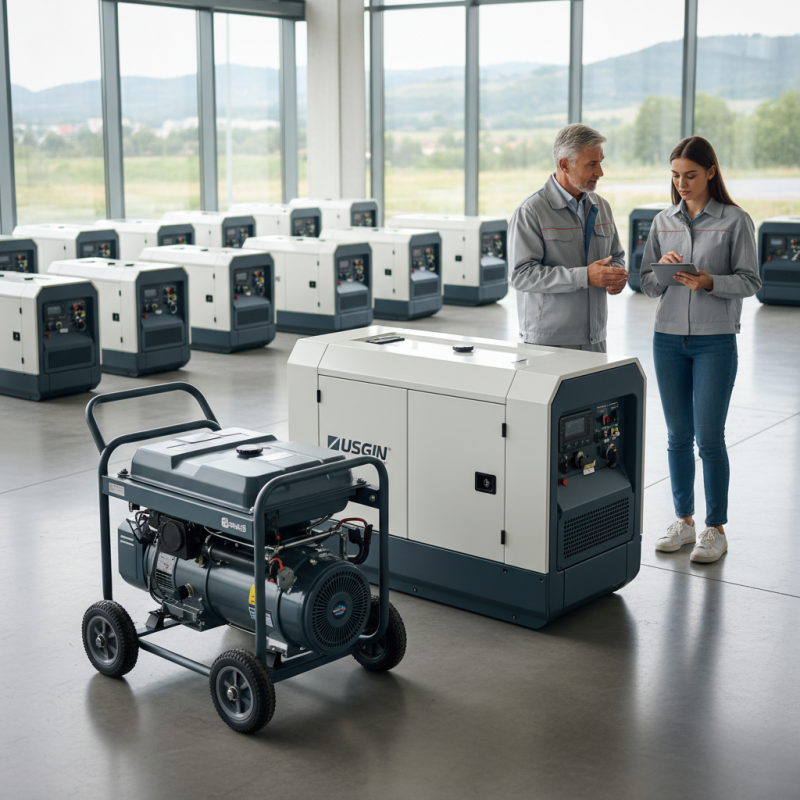
The size and weight of the generator are significant factors, too. A portable unit may serve fieldwork, while a larger unit suits fixed locations. Fuel consumption and maintenance factors also matter. Remember, the ideal choice is not always the loudest or most powerful. Sometimes, it's about balance and practicality.
Factors to Consider When Choosing a Silent Diesel Generator
When choosing a silent diesel generator, it’s vital to consider several key factors. Start with power output. Calculate your total wattage requirements. Think about essential appliances and machinery. You don’t want to underpower your needs. Oversizing can lead to wasted fuel and higher emissions.
Next, focus on noise levels. Look for a generator designed to minimize sound. Check the decibel ratings. Some features help reduce noise, such as insulated enclosures or advanced muffler systems. Placement matters too. Even a quiet generator can cause disturbance if not positioned well.
Also, consider portability. If you need to move it frequently, weight and wheel designs are important. Think about maintenance requirements as well. Regular upkeep ensures longevity. Sometimes, models with easier access to parts can save you time and frustration. Don’t overlook fuel efficiency, too. This affects operating costs over time. Reflect on these aspects thoroughly. They can significantly impact your overall satisfaction with your generator.
Understanding Noise Levels and Their Impact on Generator Selection
Noise levels play a critical role in selecting a silent diesel generator. High decibel levels can disrupt peace, making it hard to relax or work. Many users overlook the importance of noise, but it affects their daily lives. For instance, a generator running at 70 dB may feel like an outdoor conversation, while one at 50 dB is akin to a quiet office. Knowing these differences can help you make an informed choice.
When considering a generator, think about its application. If it’s for a construction site, higher noise levels might be acceptable. However, for residential use, lower noise levels are essential. It’s often easy to get lost in technical specs and overlook actual sound impact. You might find a generator with great fuel efficiency but with high noise output. This could lead to regrettable choices. Paying attention to noise ratings can prevent issues later on. Consider also the generator’s placement; sound barriers can help mitigate noise.
Investing time in understanding noise levels can save you from discomfort. Imagine trying to sleep while a loud generator rattles away nearby. The noise could easily spoil a peaceful night. It’s vital to balance performance with sound output. This consideration can lead to better user satisfaction and quality of life. Make sure to think critically about your needs and the potential impact of noise before making a purchase.
Evaluating Power Output Requirements for Your Specific Applications
Choosing the right silent diesel generator heavily depends on your power output needs. Understanding your specific applications is crucial. For example, a construction site may require generators with outputs ranging from 7 kW to 20 kW. In contrast, a residential setup typically needs around 5 kW to 10 kW. Misjudging these requirements can lead to significant issues, like inadequate power supply or unnecessary costs.
Power consumption varies significantly. An industrial facility could demand higher wattage compared to a small cabin. Reports from the Electrical Generator Manufacturers Association indicate that over 30% of users underestimate their power needs. This can lead to operational inefficiencies. Evaluating devices you plan to run can help you specify your precise wattage requirements.
When assessing power output, consider peak and continuous wattage. Peak wattage may spike during startup but typically lasts only seconds. Continuous wattage indicates what the generator can sustain over time. It’s important to add a cushion to your calculations, around 20% more than you think you’ll need. This protects the generator’s longevity. Failing to do this could result in overheating or premature failure.
Analyzing Fuel Efficiency and Running Costs of Diesel Generators
When selecting a silent diesel generator, fuel efficiency and running costs play crucial roles. According to recent industry reports, a generator's fuel efficiency can significantly impact operational expenses. For instance, the average diesel generator consumes around 0.4 to 0.5 liters of fuel per kWh generated. This metric can fluctuate based on load conditions and generator design. Choosing a model with refined fuel consumption can lead to noticeable savings.
Operational costs extend beyond fuel consumption. Maintenance is a critical factor. Regular servicing is essential to ensure optimal performance. Some generators may require oil changes every 100 hours, while others might need servicing less frequently. Neglect can lead to higher fuel consumption and increased breakdowns. A poorly maintained generator may consume up to 15% more fuel, erasing previous savings.
Another aspect to consider involves the generator’s noise levels. Even a quiet generator can face higher costs if it requires a larger setup to meet energy demands. While a silent design offers comfort, it should not compromise performance or lead to inefficiency. Evaluating these elements requires careful consideration. A well-rounded approach will aid in balancing fuel efficiency with overall running costs.
Fuel Efficiency and Running Costs of Selected Diesel Generators
Assessing Portability and Size for Different Usage Scenarios
When selecting a silent diesel generator, portability and size are crucial factors. These traits significantly impact how you use the generator. According to recent industry reports, a portable generator typically weighs between 100 to 300 pounds. This weight range allows users to transport it for various applications, from camping to construction sites. However, heavier models often deliver more power. Striking the right balance can be challenging.
Consider how often you'll need to move the generator. If you plan to use it in different locations, a lighter unit is ideal. However, if the generator will remain stationary, you might prioritize power output over portability. Size matters too. Compact generators are easier to store but often generate less energy. They can be ideal for home backup needs. Nonetheless, they may struggle in larger outdoor settings where power requirements spike.
Many users overlook noise levels. A silent diesel generator should operate around 55-65 dB, similar to the sound of normal conversation. Larger units may produce more noise, which might not be suitable for residential areas. Always think about where and how you'll use the generator. Weighing these factors can lead to smarter, more efficient choices.
How to Choose the Best Silent Diesel Generator for Your Needs? - Assessing Portability and Size for Different Usage Scenarios
| Model | Power Rating (kW) | Dimensions (LxWxH in cm) | Weight (kg) | Fuel Tank Capacity (L) | Run Time (hours at 75% Load) | Noise Level (dB) |
| Model A | 5 | 80 x 50 x 60 | 90 | 15 | 12 | 65 |
| Model B | 7 | 90 x 55 x 65 | 100 | 20 | 10 | 68 |
| Model C | 10 | 100 x 60 x 70 | 120 | 25 | 8 | 70 |
| Model D | 15 | 120 x 70 x 80 | 150 | 30 | 7 | 72 |