How to Choose the Best Camping Sleeping Bag for Your Needs?
Choosing the right camping sleeping bag can be overwhelming. With countless options on the market, it’s crucial to find one that suits your specific needs. According to industry reports, nearly 70% of outdoor enthusiasts consider the weight and insulation type when selecting their sleeping gear. A good camping sleeping bag can greatly enhance your comfort, impacting sleep quality during a trip.
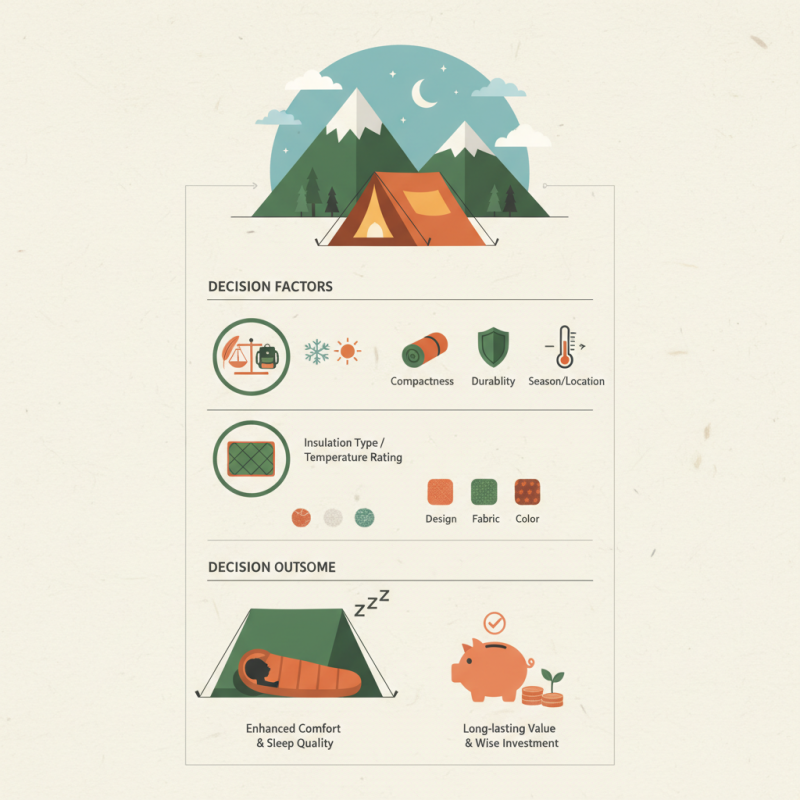
The right bag ensures warmth and protection from the elements. Many bags are rated for different temperatures, which should guide your choice based on the season and location. Yet, a common mistake is assuming that a higher rating means better comfort. Reflecting on personal experiences can help clarify preferences, whether you prioritize compactness or durability. The design, fabric, and even color can influence your decision, but they often require deeper thought.
When shopping, consider what matters most to you. High-quality options may come with a higher price tag, but they can last for years. Remember, not all bags are created equal. A little research can prevent discomfort and wasteful spending. In the end, your camping experience relies on thoughtful selection of the right camping sleeping bag.
Understanding Different Types of Sleeping Bags for Camping
When selecting a camping sleeping bag, understanding the different types is crucial. There are two main categories: down and synthetic. Down bags are lighter and more compressible. They provide more warmth for their weight, often favored by backpackers. However, they lose insulation when wet. Synthetic bags, on the other hand, are heavier. They perform well even in damp conditions. According to a study by the Outdoor Industry Association, 64% of campers prefer synthetic options for outdoor adventures.
Temperature ratings play a significant role in bag selection. Bags can be rated for summer, three-season, or winter use. A good three-season bag typically retains warmth at temperatures as low as 20°F. But keep in mind, individual comfort levels vary. Over 30% of campers reported feeling cold in sleeping bags. Insufficient insulation and incorrect bag choice were common issues.
Investing in the right sleeping bag can enhance your camping experience. A sleeping bag made from durable materials can withstand wear and tear. Regularly checking for damage or wear can prevent discomfort. While many overlook this, maintenance is key. A poorly maintained bag can lead to less insulation and increased weight.
Factors to Consider When Choosing a Sleeping Bag Size
Choosing the right size for your sleeping bag is crucial. A bag that is too large can leave you feeling cold. Heat escapes in the extra space. Conversely, a bag that is too snug may restrict movement. Comfort during sleep is essential for enjoyment.
When considering size, think about your height and sleeping position. Many bags come in regular and long sizes. If you are tall, a long bag is worth considering. Test the bag if possible. You should fit comfortably while lying down. A little extra room for your feet can be beneficial.
Don’t forget to think about gear storage. Some bags have extra pockets for essentials. Others may not offer enough space for your belongings. Reflecting on your needs before a trip is vital. Consider factors beyond just the fit. It’s about how you will use it in the wild.
Insulation Materials: Selecting the Right Warmth for Your Climate
Choosing the right insulation material for your sleeping bag is crucial. It directly impacts your comfort and warmth during camping. You can opt for down insulation, known for its lightweight and compressibility. However, it loses loft when wet. This means it needs extra care in damp climates. Synthetic insulation, on the other hand, retains heat even when wet. This makes it a practical choice for unpredictable weather.
Consider the temperature rating of a sleeping bag. The warmth it provides is tied to the insulation type. Some bags are marketed for specific conditions. But ratings can be misleading. Always think about your personal comfort level. If you tend to get cold easily, choose a bag rated for lower temperatures than you might expect. Also, fit matters. A snug fit retains heat better than a larger bag, but it also may feel constricting. Balancing these factors requires reflection on your own camping habits and preferences.
How to Choose the Best Camping Sleeping Bag for Your Needs? - Insulation Materials: Selecting the Right Warmth for Your Climate
| Insulation Material | Temperature Rating (°F) | Weight (lbs) | Best for Climate |
| Down | 20 to 30 | 2.0 - 3.5 | Cold to Mild Weather |
| Synthetic | 30 to 50 | 3.0 - 5.0 | Mild Weather, Damp Conditions |
| Hybrid | 10 to 40 | 2.5 - 4.5 | Varied Conditions |
| Cotton | 40 to 60 | 4.0 - 6.0 | Warm Weather, Indoor Use |
Temperature Ratings and Their Importance in Sleeping Bag Selection
When selecting a sleeping bag, temperature ratings are crucial. They help you understand the bag's limits in different conditions. According to industry research, 25% of campers experience discomfort due to incorrect temperature ratings. Many users choose bags with exaggerated ratings. This mismatch can ruin your outdoor experience.
Temperature ratings typically include three classifications: summer, three-season, and winter. Summer bags are rated above 35°F. Three-season bags are suitable for temperatures between 20°F and 35°F. Winter bags perform well in temperatures below 20°F. It’s worth noting that individual comfort levels vary. Some people feel cold at higher temperatures. Others may feel hot at lower ratings.
Furthermore, the bag's insulation type affects its performance. Synthetic insulation works better in damp conditions. Down insulation compresses easily and retains warmth. This choice requires careful consideration. A report from the Outdoor Industry Association reveals that 60% of campers regret their sleeping bag choice. This statistic highlights the importance of understanding temperature ratings before making a purchase.
Temperature Ratings of Sleeping Bags
Additional Features to Enhance Your Camping Sleeping Bag Experience
When selecting a camping sleeping bag, consider additional features that enhance comfort and usability. A good sleeping bag might offer insulation type and temperature ratings. For instance, synthetic insulation performs well in damp situations, while down insulation is lightweight but less effective when wet. According to industry data, nearly 70% of outdoor enthusiasts prefer sleeping bags that retain warmth, even when damp.
Zippers matter too. Two-way zippers give flexibility for ventilation. A hooded design can trap heat effectively, making chilly nights more manageable. Features like pockets for small items are often overlooked but can add practical convenience. Some bags come with a built-in pillow pocket; this can be a game changer for comfort.
Tips: Always check the weight of the sleeping bag if you’re hiking. A lighter bag makes for less strain on your back. Also, consider your camping environment. If it’s rainy or humid, prioritize water-resistant materials. Recognizing that not every feature may suit you is crucial. Reflect on your unique camping style to make an informed choice.