Best Wrist Support for Maximum Comfort and Performance?
Wrist support plays a crucial role in enhancing both comfort and performance during various activities. According to the American Academy of Orthopaedic Surgeons, nearly 30% of adults experience wrist issues at some point in their lives. This data highlights the importance of selecting the right wrist support for optimal functionality.
With numerous options available, it's essential to understand the specific needs based on activity type. For instance, athletes often prefer wrist braces that offer both stability and flexibility. Meanwhile, individuals engaging in repetitive tasks may require support designed for long-term use. This understanding can significantly impact performance and reduce the risk of injury.
Despite advancements in design and materials, not all wrist supports are created equal. Users should consider factors like fit and breathability, as discomfort can lead to subpar performance. Reflecting on personal experiences with different types can guide better choices. In a market flooded with options, making informed decisions about wrist support is vital for maintaining health and achieving peak performance.
Understanding Wrist Support: Importance and Benefits
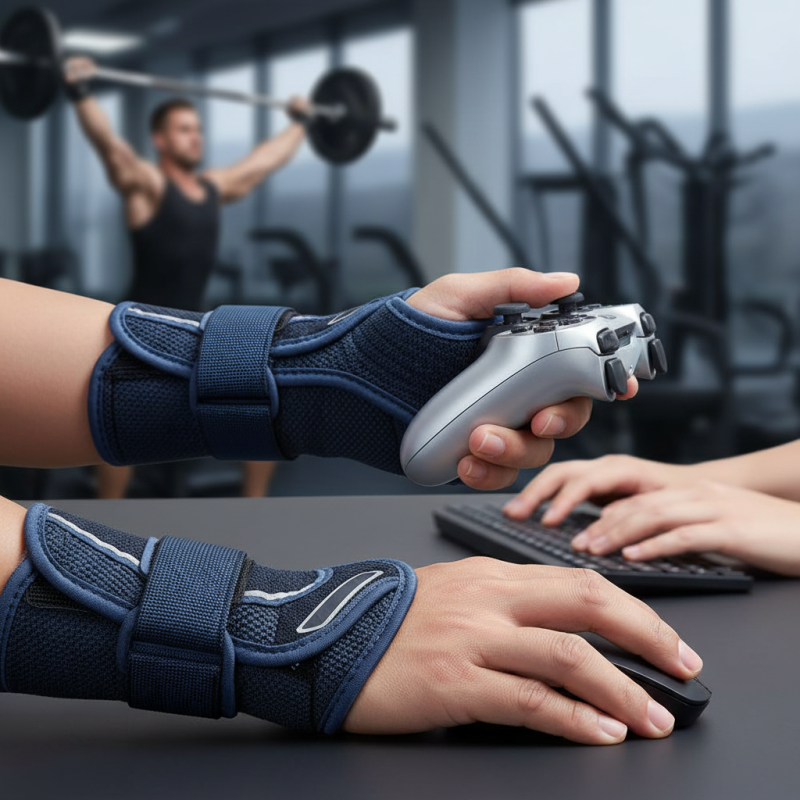
Wrist support plays a crucial role in promoting comfort and enhancing performance. Whether you are typing, gaming, or lifting weights, proper wrist support can reduce strain and prevent injuries. A well-fitted wrist brace can stabilize the joint. This support allows for smoother movements. Without it, the risk of sprains or strains increases.
When choosing wrist support, consider the material. Breathable fabrics enhance comfort during prolonged use. You want a supportive but not overly restrictive fit. Assess your specific activities; different tasks may require varied levels of support.
Tips: Consult a healthcare professional for personalized advice. This can help you identify specific needs. Regularly evaluate your wrist's condition. Adjust support levels based on how you feel. Remember that neglecting wrist health now can lead to long-term issues. Prioritize your comfort, and listen to your body.
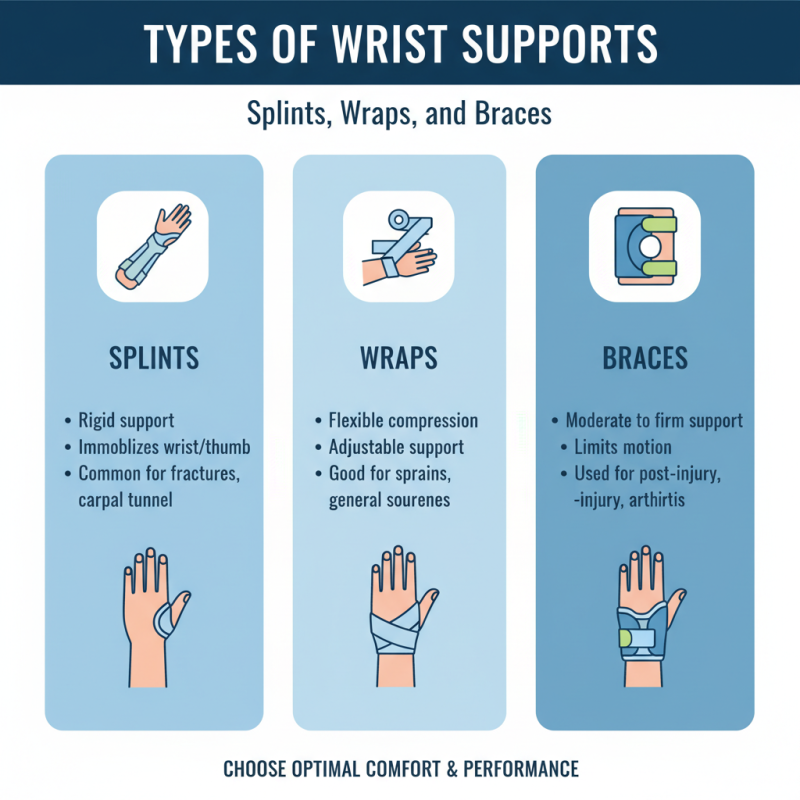
Types of Wrist Supports: Splints, Wraps, and Braces
When it comes to wrist support, understanding the different types is crucial for optimal comfort and performance. Splints offer rigid support, limiting wrist movement. This is beneficial for injuries such as sprains or fractures. They are often made from firm material and can provide immobilization during recovery. However, prolonged use can lead to stiffness or muscle weakening if not carefully monitored.
Wraps are another popular option. They provide adjustable compression and support while allowing some flexibility. This versatility makes them ideal for athletes or individuals engaging in repetitive tasks. Yet, the wrong tension can lead to discomfort. It's essential to find a balance. Too tight, and it constricts circulation; too loose, it offers little benefit.
Braces serve as a hybrid, blending support and mobility. They often include straps or sleeves that maintain wrist stability during movement. However, not every brace is suitable for all conditions. Sizing and fit are critical; a poorly fitted brace can exacerbate issues. Monitoring how your wrist responds during activities is vital. Always listen to your body.
Key Features to Look for in Wrist Support Products
When looking for wrist support, several key features make a significant difference in comfort and performance. Adjustable straps enhance fit and stability. This allows users to tailor the support to their unique wrist shape. A snug fit prevents unwanted movements, reducing the risk of injury during activities. Breathable materials are essential too. They help wick away sweat, keeping the wrist dry and comfortable over prolonged use.
Consider the level of support needed. Some may prefer light support for daily tasks, while others need firm support for recovery. The right choice depends on your activities and lifestyle. Lightweight designs often provide flexibility, but they might lack the robustness needed for intense exercises. Evaluate the trade-off between mobility and support based on your personal needs.
While searching, remember to think about the ease of use. Some products are simpler to put on and take off. However, this could compromise the effectiveness. Weighing convenience against support will lead to better overall choices. Finding the right wrist support may require a few trials. It is essential to reflect on what works best for you, as comfort and performance can vary widely among individuals.
Best Wrist Support for Maximum Comfort and Performance? - Key Features to Look for in Wrist Support Products
| Feature |
Description |
Benefits |
Considerations |
| Material |
Breathable, moisture-wicking fabrics |
Keeps skin dry and comfortable |
Check for allergic reactions to materials |
| Support Level |
Adjustable support levels (light to rigid) |
Customizable for different activities and injuries |
Choose based on activity type |
| Design |
Ergonomic and contoured fit |
Enhances mobility and natural wrist movement |
Verify size for fit and comfort |
| Adjustability |
Velcro straps or lacing systems |
Allows for personalized tightness |
Ensure ease of use |
| Padding |
Soft cushioning in contact areas |
Reduces pressure and increases comfort |
Check for thickness to avoid bulkiness |
Best Practices for Using Wrist Supports Effectively
Wrist supports are essential for athletes and anyone involved in repetitive wrist activities. Studies indicate that proper use of wrist supports can decrease discomfort and prevent injuries. In a report by the American Academy of Orthopaedic Surgeons, it was noted that over 80% of users experienced relief from wrist pain with continuous support.
When using a wrist support, make sure it fits snugly but not too tightly. A support that's too tight can restrict blood flow. Conversely, a loose fit may cause inadequate stabilization. Aim for a balance that provides comfort while enhancing performance. Adjust the support based on activity level; for intense activities, consider more rigid supports.
Tip: Regular breaks are crucial. Even with support, prolonged use can lead to discomfort. Listen to your body and take time to rest. Monitor your posture during activities. A proper setup can significantly benefit your wrist health.
Wrist supports are most effective when used in conjunction with exercises designed to strengthen forearm muscles. Incorporating these practices can increase overall wrist stability. Remember, the goal is not only to support but also to empower your wrist for maximum efficiency.
Best Wrist Support for Maximum Comfort and Performance
This chart represents the user satisfaction ratings for different types of wrist supports. The ratings are out of 10 and reflect the comfort and performance experienced by users while utilizing these supports.
Recommended Brands for Optimal Wrist Comfort and Performance
Finding the right wrist support can significantly enhance comfort and performance. Not all products are created equal. Several trusted brands focus on ergonomics, quality materials, and user-specific needs. These brands prioritize reliable craftsmanship. Their designs cater to various activities, from typing to sports.
Consider materials like breathable fabric and adjustable straps. These features ensure the wrist support accommodates individual preferences. A well-fitted brace can improve circulation and reduce fatigue, amplifying your performance. Seek out those that offer a range of sizes for an optimal fit. Comfort should never be compromised.
Yet, not every product is flawless. Some users may find stiffness or limited mobility with certain supports. Reflecting on personal lifestyle is crucial. What feels great for one user may not suit another. Always assess your own needs. Trust in established brands, but also be willing to try different options. Finding the perfect wrist support is a personal journey.