2026 Best Wheelchair Assist Devices for Global Buyers?
The demand for wheelchair assist devices is growing globally. According to a report by the World Health Organization, around 2.7 million people need wheelchairs each year. However, only 15% receive the assistive devices they require. This gap highlights an urgent need for better wheelchair assist solutions.
Wheelchair assist technology has developed significantly. Advances include smart wheelchairs with navigation systems and lightweight materials that enhance mobility. A study from the International Journal of Rehabilitation Research shows that users experience increased independence when using improved devices. Yet, affordability and accessibility remain barriers for many.
The market for wheelchair assist products is projected to reach $10 billion by 2026. This figure shows the increasing focus on innovation. However, quality and reliability must not be overlooked. Some devices fail to meet user needs, leading to frustration. Buyers must research options thoroughly to find the best solutions available.
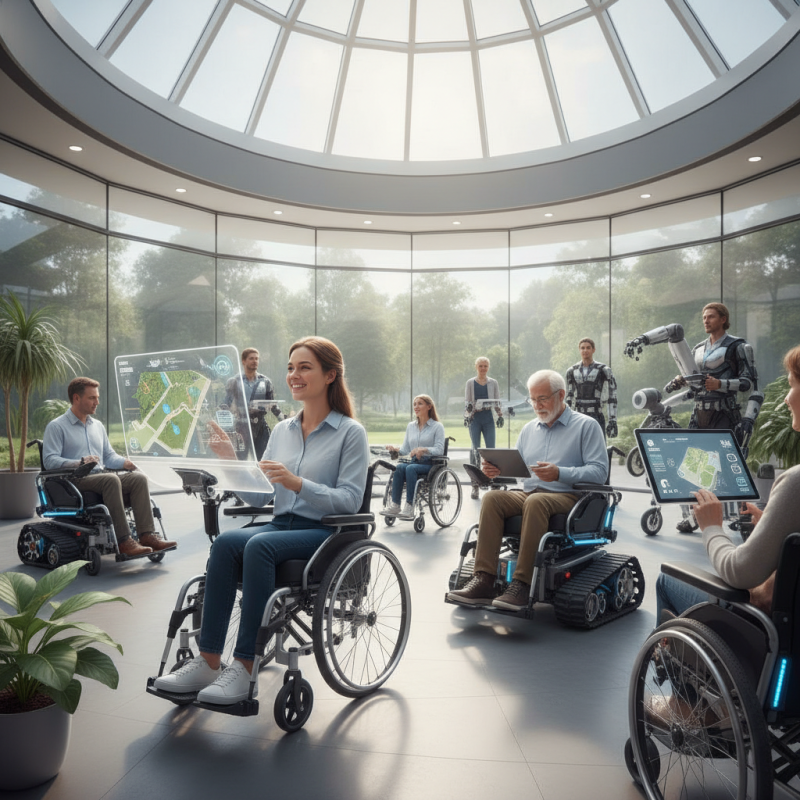
2026 Global Market Trends for Wheelchair Assist Devices
As we look towards 2026, the market for wheelchair assist devices is evolving rapidly. Innovations are emerging as technology advances. Users are demanding greater efficiency and comfort. This shift requires manufacturers to rethink design and functionality. The integration of smart technology is becoming commonplace. Sensors and automation are enhancing user experiences. It’s an exciting time for both developers and users alike.
However, challenges still exist. Accessibility remains a key issue in many regions. Not all communities have access to the latest devices. Affordability also plays a critical role in adoption rates. Many families struggle to finance advanced mobility aids. Additionally, user training is often inadequate. This can lead to frustration and underutilization of devices. As the market grows, addressing these barriers will be essential.
Consumer preferences are shifting towards personalized devices. Users want options that reflect their unique needs and lifestyles. Trends indicate a rising demand for lightweight, portable features. Moreover, aesthetic considerations are becoming increasingly important. Users desire assistive devices that are both functional and visually appealing. Balancing technology and design will be crucial for future manufacturers. Understanding these dynamics will help guide the direction of the industry.
Key Innovations in Wheelchair Assistive Technology for 2026
As we approach 2026, wheelchair assistive devices are evolving with innovative technologies. Advancements focus on enhancing mobility and independence for users. Electric wheelchairs now feature smarter navigation systems, allowing for easier maneuverability in tight spaces. Users can expect improvements in battery life and charging speed. These innovations address a common challenge: the need for longer-lasting power on the go.
Tips: Always consider your daily needs when choosing a device. Think about the terrain and environments you frequently navigate.
Another exciting development is the integration of AI. Smart sensors can detect obstacles and adjust routes automatically. This technology enhances safety and confidence for users. However, reliance on technology can lead to challenges. It’s essential to balance tech use with personal control.
Tips: Test devices in various settings before purchase. See how well they manage different surfaces and scenarios.
Accessibility also plays a crucial role in design. Improved height adjustments and customizable seating options cater to diverse user requirements. Finding the right fit can be difficult, highlighting the importance of user-centric design.
Tips: Engage with communities for shared experiences. They can provide valuable insights and guidance on finding what works best for you.
Assessment of User Experience and Satisfaction with Wheelchair Devices
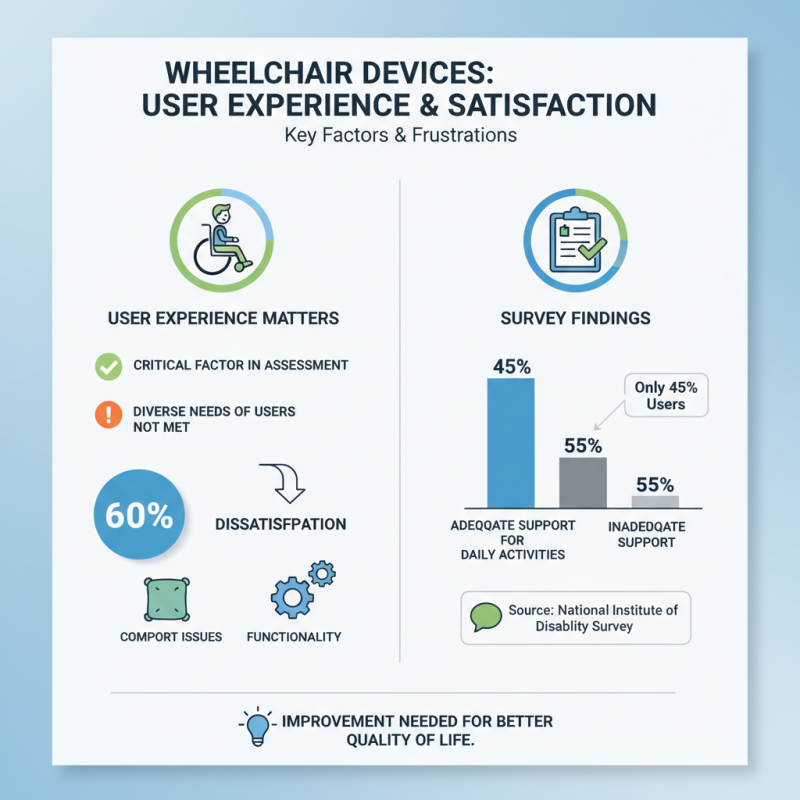
User experience is a critical factor in the assessment of wheelchair assist devices. Studies indicate that over 60% of users report dissatisfaction due to comfort issues and functionality. Many devices fail to meet the diverse needs of users, leading to frustration. For example, a survey by the National Institute of Disability noted that only 45% of users felt their wheelchairs provided adequate support for daily activities.
The design and technology behind these devices can significantly impact user satisfaction. A comprehensive report highlighted that adjustable features are highly valued. Users appreciate when devices are customizable, allowing them to tailor settings for better comfort and mobility. However, data shows that many current models lack the necessary adjustments, limiting their effectiveness.
Moreover, accessibility remains a challenge. A 2021 study indicated that nearly 30% of respondents struggled with barriers in public spaces while using their wheelchairs. This calls for a re-evaluation of how these devices integrate with their environments. User feedback should guide future designs, ensuring that devices not only fit personal needs but also promote greater independence.
Comparative Analysis of Top Wheelchair Assist Devices Based on Specifications
The wheelchair assist device market is evolving rapidly, driven by technological innovations. A recent report by Grand View Research indicated the market size is projected to reach $6.7 billion by 2026. This growth highlights the increasing demand for user-friendly and efficient mobility solutions for individuals with disabilities.
In a comparative analysis of specifications, key factors emerge. Weight capacity, battery life, and ease of use are critical. Devices with a higher weight capacity are emerging. These often accommodate various user needs better. Battery life is another significant factor; most users prefer devices that last over 12 hours on a single charge. Ease of use remains paramount. Devices should have intuitive controls, allowing for quick adaptation by new users.
Tips: When selecting a wheelchair assist device, consider your lifestyle. Assess your daily activities to identify features that suit your needs. Trial each device when possible. This can reveal practical strengths and weaknesses. Think about maintenance. Some devices require regular upkeep, which could be daunting. Ensure you have resources for repairs and support.
Market Forecast: Growth and Opportunities in Wheelchair Assist Devices by 2026
The global market for wheelchair assist devices is poised for significant growth by 2026. As the population ages, the demand for these devices is increasing. Many individuals require mobility aids to maintain their independence. This growing need presents ample opportunities for innovation and advancements in technology.
Investments in research and development are crucial. Industry professionals are exploring lightweight materials and smart technology integration. These advancements can enhance usability and user comfort. However, accessibility remains a challenge. Not all regions have easy access to such devices. Additionally, affordability is a persistent issue, limiting many from acquiring necessary aids.
Stakeholders must reflect on the balance between innovation and accessibility. It's important to ensure that new products cater to diverse needs. User feedback plays a vital role in this process. Fostering collaboration among manufacturers, healthcare providers, and users can lead to better designs. This approach ensures that future developments are user-centered and meet global demand effectively.
2026 Best Wheelchair Assist Devices for Global Buyers
| Device Type |
Market Share (%) |
Projected Growth Rate (%) |
Key Features |
Target Demographic |
| Power Wheelchairs |
35% |
7.5% |
Electric drive, adjustable seating |
Elderly, disabled |
| Manual Wheelchairs |
30% |
5% |
Lightweight, foldable |
Active users, rehabilitation |
| Reclining Wheelchairs |
15% |
6% |
Reclining backrest, footrest |
Post-operative patients |
| Sports Wheelchairs |
10% |
8% |
Specialized wheels, lightweight |
Athletes, sports enthusiasts |