How to Buy the Best Well Drilling Rig for Sale?
In the competitive market of well drilling, choosing the right well drilling rig for sale can be daunting. Experts like John Smith, a seasoned drilling engineer, emphasize, "Investing in quality equipment pays off in the long run." This highlights the importance of making informed decisions when selecting a rig.
Understanding the different types of rigs is essential. Some rigs are designed for specific terrains or depths. Buyers must consider these factors carefully. A poorly chosen rig can lead to inefficiency and extra costs. Moreover, reliability is crucial. Drilling projects face tight schedules, and equipment failure can delay progress.
With so many options available, reflecting on your needs is critical. Many people rush into decisions, motivated by price alone, which can lead to regret. Quality should not be sacrificed for a bargain. Take the time to research and consult experts. Your investment in a well drilling rig for sale should provide value and durability for years to come.
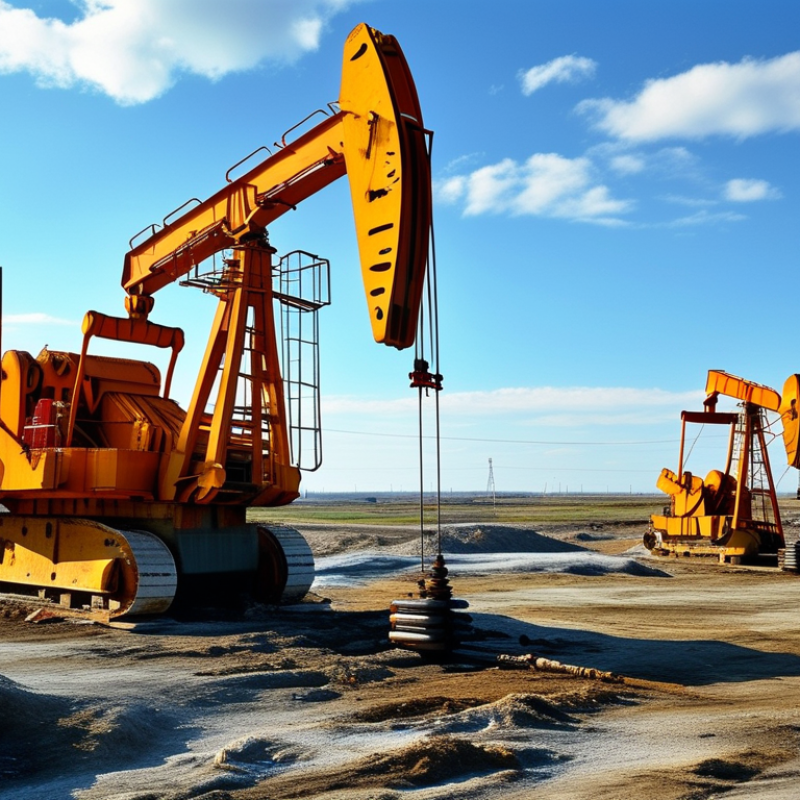
Understanding Your Well Drilling Needs and Requirements
Determining your well drilling needs is crucial before investing in a rig. Consider factors like depth and soil type. Different soils require specific drill types. For instance, rocky terrains may call for a rotary rig. Understanding these parameters helps narrow your options.
Evaluate the water demand. Calculate daily usage rates. Will your well be for residential or commercial use? Higher demand means you might need a more robust rig. Also, consider the location and accessibility. These factors impact the overall drilling process.
Don't overlook training and maintenance. Operating a rig requires skill. Trained personnel can ensure safety and efficiency. Regular maintenance on the equipment is essential for longevity. Reflect on these elements, as making uninformed choices may lead to costly mistakes.
Types of Well Drilling Rigs Available for Purchase
When exploring well drilling rigs, understanding the types available is essential. Generally, there are three main categories: rotary rigs, cable tool rigs, and dual-purpose rigs. Rotary rigs dominate the market due to their efficiency. They utilize a rotating drill bit to penetrate various soil types. This type is ideal for deep drilling projects and offers speed and precision.
Cable tool rigs are more traditional. They operate using a heavy chisel-like tool, which impacts the ground to create a borehole. While slower, these rigs excel in rocky terrain. Their simplicity means maintenance can be less complex. Dual-purpose rigs combine features from both types, making them versatile. They can drill and perform well completions, but their dual capability may lead to compromises on performance in specific tasks.
As you assess your options, consider the terrain. Assessing the soil type and drilling depth is critical. Each rig type offers unique challenges. Some may struggle in hard rock, while others may be too slow for large projects. Compatibility with possible attachments can also impact performance. Balancing your immediate needs with potential improvements is crucial in making the right choice.
Key Features to Consider When Choosing a Well Drilling Rig
When choosing a well drilling rig, key features play a critical role. Consider the rig's power source. Electric, diesel, and hybrid options each have advantages. Diesel rigs offer mobility and power. Electric rigs are quieter but may have limited range. Weigh the benefits based on your drilling needs.
Next, assess the rig's mobility. Will you need to move it often? A trailer-mounted rig provides flexibility for various locations. Also, think about the size and weight. Heavier rigs can be more stable but harder to transport. Look for a balance that suits your operations.
Another aspect is the drilling depth capability. Understand your specific requirements. Some projects only need shallow drilling, while others require deeper capabilities. Ensure the rig can meet your project's demands without exceeding them. Consider the maintenance needs too. Some rigs require frequent servicing, while others are designed for ease of maintenance. Always check user reviews; real experiences can shed light on reliability issues.
Evaluating Well Drilling Rig Brands and Manufacturers
When evaluating well drilling rig brands and manufacturers, it’s essential to focus on reliability and performance. Some brands stand out for their advanced technology and user-friendly designs. Researching each brand’s reputation helps you gauge their reliability. User reviews and testimonials provide real-world insights. They can highlight both strengths and weaknesses.
Tips: Look for brands that offer excellent customer service. Support after the sale is invaluable. Explore warranty options as they reflect the manufacturer’s confidence in their product. Pay attention to the materials used; durable components lead to longer equipment life.
Be critical of flashy marketing. Sometimes, the most advertised rigs aren’t the best for your needs. Some manufacturers may push features that are unnecessary for your projects. Comparing specifications and performance data helps you make an informed choice. Meeting your specific needs should always come before brand loyalty.
Budgeting for Your Well Drilling Rig Purchase and Maintenance Costs
When planning to buy a well drilling rig, budgeting is crucial. Understand both the initial purchase price and ongoing maintenance costs. Maintenance is often overlooked, yet it can significantly impact your total investment. Expenses may include parts replacement, fuel, and technician fees. Regular servicing prolongs the rig’s life and ensures efficiency.
Create a detailed budget before purchasing. This should include not just the purchase cost, but also insurance and necessary certifications. Avoid the temptation to buy solely based on upfront costs. Cheaper rigs may lead to higher long-term expenses from repairs and inefficiencies. Accurately forecasting these expenses is vital for a successful investment.
Don’t forget about training costs. Operating a rig requires skills that might necessitate professional training. Investing in training may seem costly initially but can save you money on mistakes later. Each decision should reflect a thoughtful approach to budgeting, ensuring that you choose a rig that performs well and fits within your financial plan.
Well Drilling Rig Purchase and Maintenance Costs