Best Walking Belt for Treadmills to Boost Your Workout Experience?
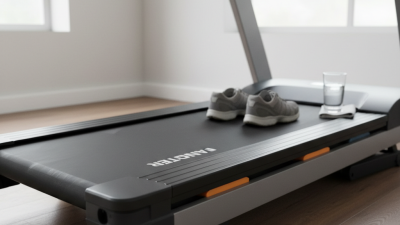
As treadmill usage continues to rise, selecting the right walking belt can greatly enhance your workout experience. According to a recent report by the American Council on Exercise, investing in high-quality equipment can improve motivation and overall physical performance. Notably, Dr. John Walker, a fitness expert and consultant, emphasizes, "A well-constructed walking belt is crucial for optimal motion and injury prevention."
Walking belts come in various materials and constructions, impacting their durability and comfort. Many users overlook this aspect, leading to subpar experiences. In fact, research indicates that over 30% of treadmill-related injuries result from improper belt selection. Ensuring a suitable walking belt isn't just a preference; it's a necessity for safety and efficiency.
Choosing the right walking belt requires awareness of specific needs and preferences. Factors like thickness, texture, and material can significantly affect performance. Failing to reflect on these factors often leads to dissatisfaction or injury. The journey to an effective workout experience starts with recognizing the critical role of the walking belt.
Best Walking Belt Materials for Treadmills: A Comprehensive Overview
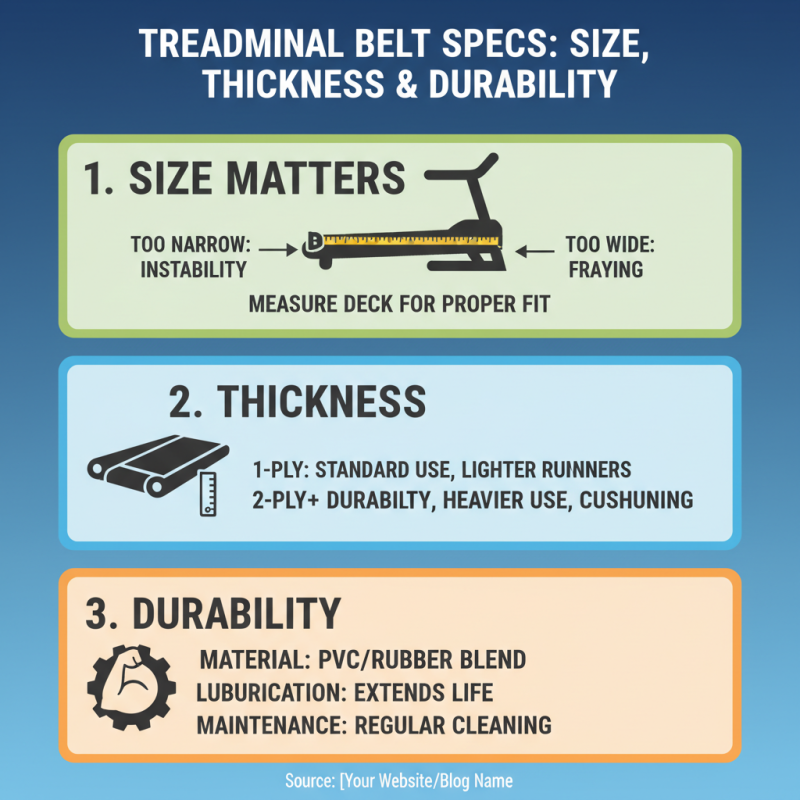
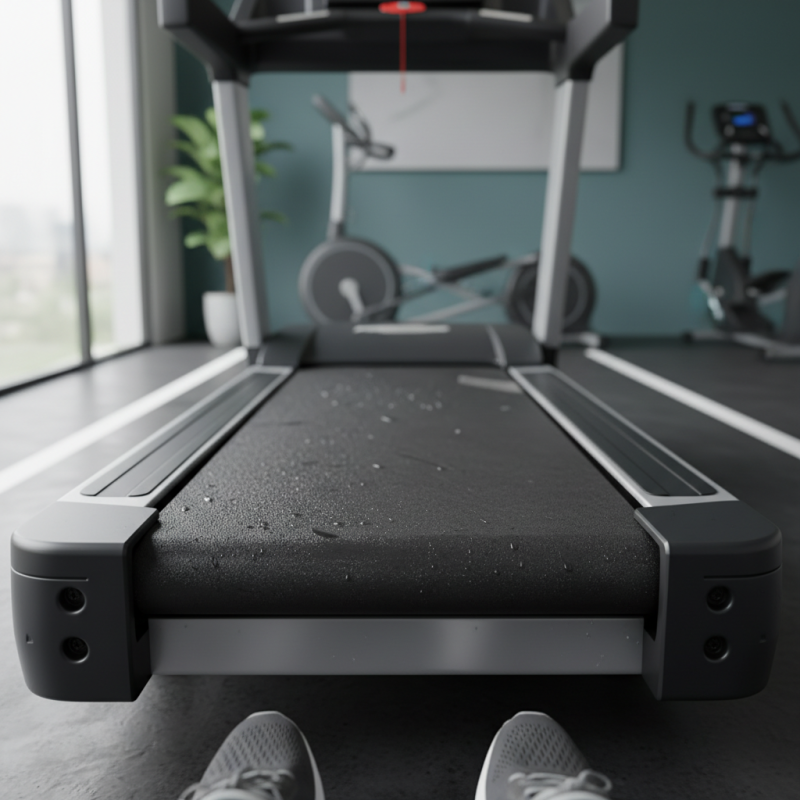
When choosing the best walking belt materials for treadmills, several factors come into play. The material directly affects durability and performance. Many treadmills feature belts made from PVC, polyurethane, or even rubber blends. Each material offers unique pros and cons.
PVC is popular due to its cost-effectiveness and reasonable durability. It can wear down over time, especially with heavy use. On the other hand, polyurethane typically offers greater strength and is less prone to stretching or fraying. Many fitness enthusiasts prefer it for extended durability.
Consider the belt's texture as well. A textured surface can provide better grip and traction during workouts. This becomes crucial for safety, especially at higher speeds. However, a rougher surface may wear out shoes faster, leading to more frequent replacements. Balancing durability and safety is essential when selecting a treadmill belt. Understanding these materials can greatly enhance your treadmill experience.
The Impact of Belt Quality on Workout Efficiency and Longevity
Choosing the right walking belt for your treadmill can significantly influence your workout experience. A high-quality belt offers better durability and efficiency. It ensures smoother movements during walking or running sessions. When the belt is made from superior materials, it reduces friction. This, in turn, enhances the overall functioning of the treadmill. Over time, a high-quality belt can also save you money on repairs and replacements.
Conversely, a subpar belt can lead to frustrations. It may cause uneven wear on your equipment. This can affect your performance and motivation. You'll notice discomfort if the belt lacks proper tension and grip. This is where investing in a reliable belt can make a difference. Users often overlook the belt until issues arise, leading to a decline in workout effectiveness. Regularly checking the belt for wear and replacing it when necessary can improve longevity and workout quality.
Impact of Treadmill Belt Quality on Workout Efficiency
Top Brands in Treadmill Walking Belts: Features and Performance Analysis
When it comes to enhancing your treadmill workouts, the walking belt is essential. The right belt can significantly affect performance and comfort. Many users often overlook this crucial component. However, it can make or break the workout experience.
Treadmill walking belts vary in materials, thickness, and surface texture. Some may offer better traction, while others ensure a smoother glide. Understanding these differences can guide you in choosing the right belt for your specific needs. For instance, a thicker belt might endure more wear and tear, especially during high-intensity sessions. Conversely, a smoother surface can enhance ease of movement but may wear out faster.
Users often report mixed results. Some belts slip, while others perform beautifully yet lack durability. It's vital to review user experiences and consider your workout intensity. Always aim for a balance between comfort and quality. Investing in a reliable walking belt can elevate your routine but requires careful consideration of your personal requirements and workout style.
Maintaining Your Treadmill Belt: Tips for Prolonging Lifespan and Functionality
Maintaining your treadmill belt is crucial to ensure a smooth workout experience. Regular maintenance can extend the life of your belt, which averages about 7-12 years with proper care. A key aspect of this maintenance is cleaning. Dust and debris can accumulate, affecting performance. The American Council on Exercise suggests weekly cleaning to prevent wear.
Another important factor is lubrication. Research indicates that properly lubricated belts can reduce friction by 70%. This significantly enhances belt longevity. Most manufacturers recommend using silicone-based lubricants every 3-6 months. Failure to do so can lead to squeaking or slipping, disrupting workouts.
Users often overlook tension adjustment. A too-tight or too-loose belt can cause premature damage, leading to costly repairs. The International Fitness Industry Standard recommends checking belt tension monthly. Ensuring your treadmill belt is aligned and tensioned correctly can enhance functionality, giving you a smoother run. Remember, neglecting these simple tasks can lead to bigger issues down the line.
Best Walking Belt for Treadmills to Boost Your Workout Experience? - Maintaining Your Treadmill Belt: Tips for Prolonging Lifespan and Functionality
| Belt Type |
Material |
Durability (Years) |
Maintenance Tips |
| Standard Walking Belt |
PVC |
5-7 |
Regular cleaning and lubrication |
| Heavy-Duty Walking Belt |
Polyester |
8-10 |
Inspect for wear and adjust tension |
| Quiet Performance Belt |
Rubber |
6-8 |
Use silicone spray for smooth operation |
| Performance Walking Belt |
Nylon |
7-9 |
Keep dry and clean, avoid excessive friction |